April 29, 2025 | Read Time: 2 minutes
Stories of the wrongfully incarcerated often have a dramatic arc: A systemic failure of the justice system results in the conviction and imprisonment of someone who didn’t commit a crime. New evidence or investigations, often many years later, lead to exoneration and release.
“That’s where the story often ends,” says Jon Eldan, founder of the nonprofit After Innocence. “These folks were basically pushed out the prison door with no support.”
From his kitchen table in Oakland, Calif., Eldan has spent more than a decade working to change that by connecting exonerees with the support and resources to rebuild their lives.
Eldan began assisting exonerees on a pro bono basis in 2004 while working as a corporate lawyer in San Francisco. In 2014, he developed the pilot project that became After Innocence. Since then, the group has made free post-release assistance available to more than 900 clients on a shoestring budget of less than $300,000 a year.
Assistance can include help enrolling in health-care coverage and seeing doctors, getting a cell phone and photo ID, and connecting with social-service providers. After Innocence also partners with lawyers, financial planners, and dentists who provide free services.
Eldan was the only employee until 2019, when he hired his first colleague. That has allowed After Innocence to reach more clients and expand its legislative advocacy, helping to draft bills to provide opportunities for exonerees to receive monetary compensation.
Today a staff of 10 part-time employees around the country works to meet the needs of a growing client base.
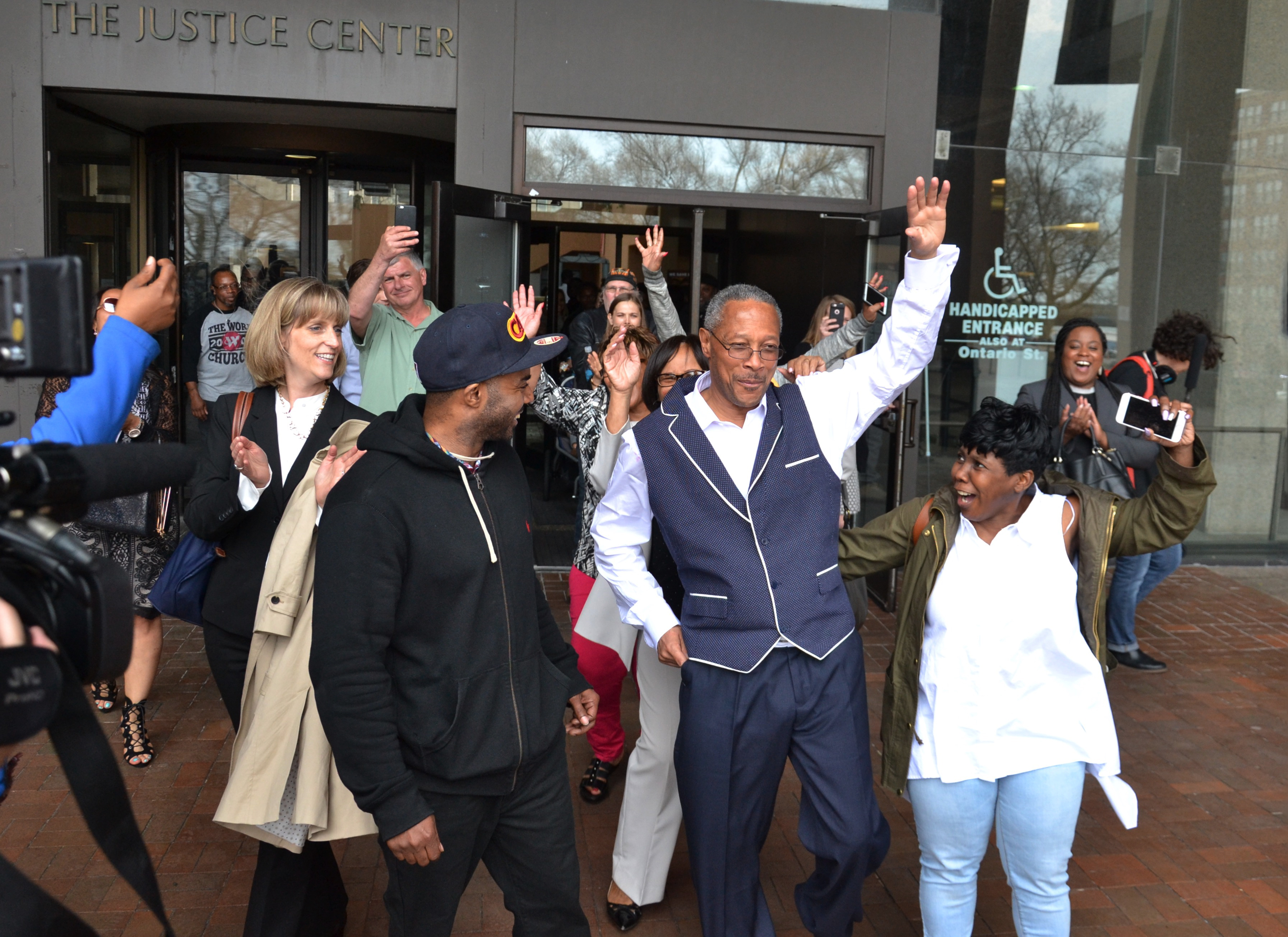
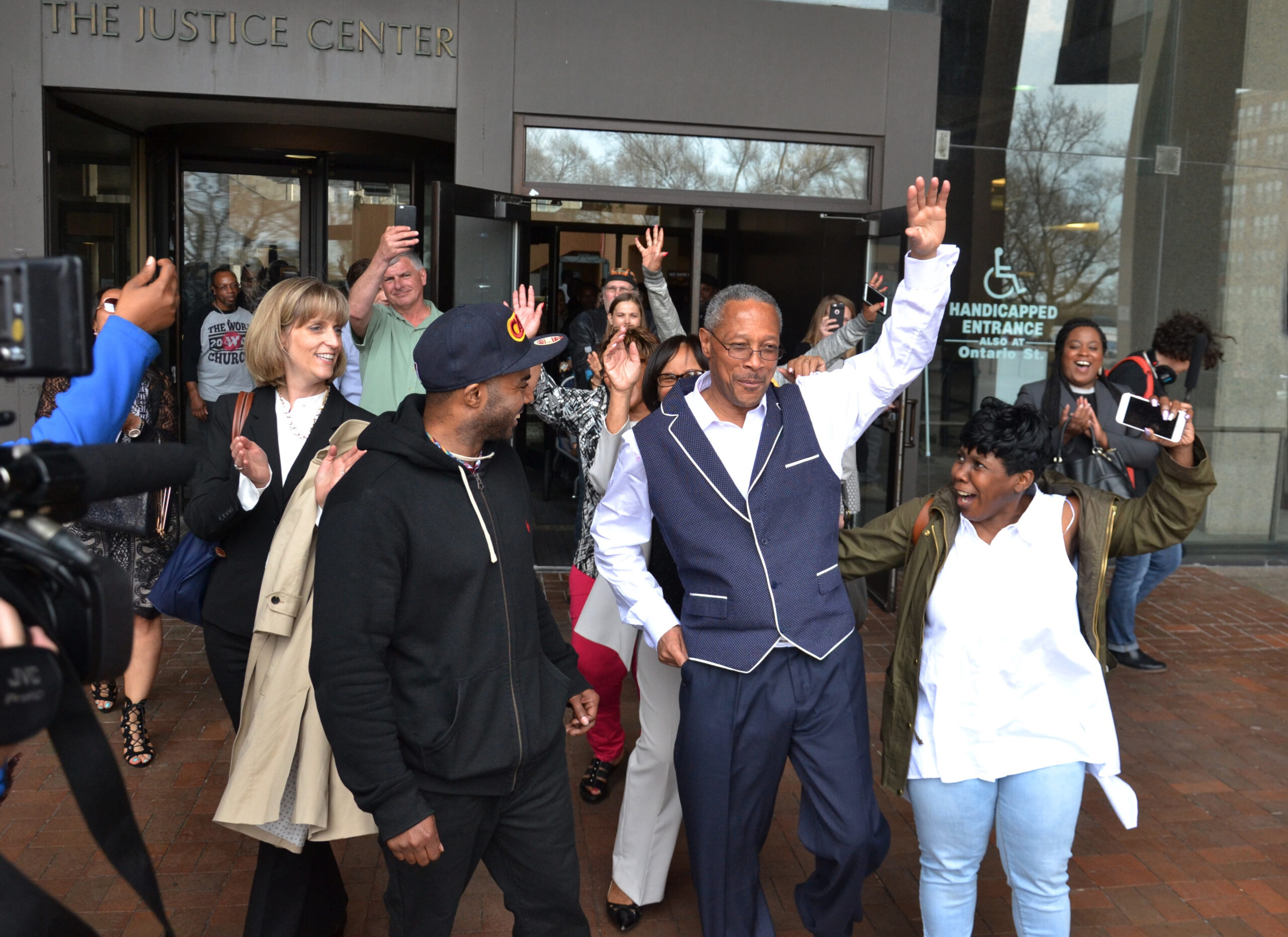
Every 59 hours, an innocent person is exonerated, according to data from the National Registry of Exonerations. After Innocence continues to help people years after they leave prison. Evin King — pictured here at his 2017 release after serving more than 20 years for a murder he didn’t commit — continues to work with the organization today.
The organization has earned trust through a combination of “warmth, plus expertise, plus tenacious follow-up,” Eldan says.
“It’s not just ‘Hi, nice to know you, and let me send you a link to another organization in Tulsa or in Tampa,’” he says. ”Instead it’s, ‘Let’s dig into this and work on this together, start to finish.’”