
Hilton Foundation Awards $2 Million Prize to Fight Cholera and Other Diseases

By Megan O’Neil
Contributor
August 23, 2017 | Read Time: 3 minutes
The Conrad N. Hilton Foundation awarded its $2 million namesake humanitarian prize to a global health organization with a decades-long track record of developing low-cost treatments for diseases such as cholera, which has newly sickened half a million people in war-torn Yemen.
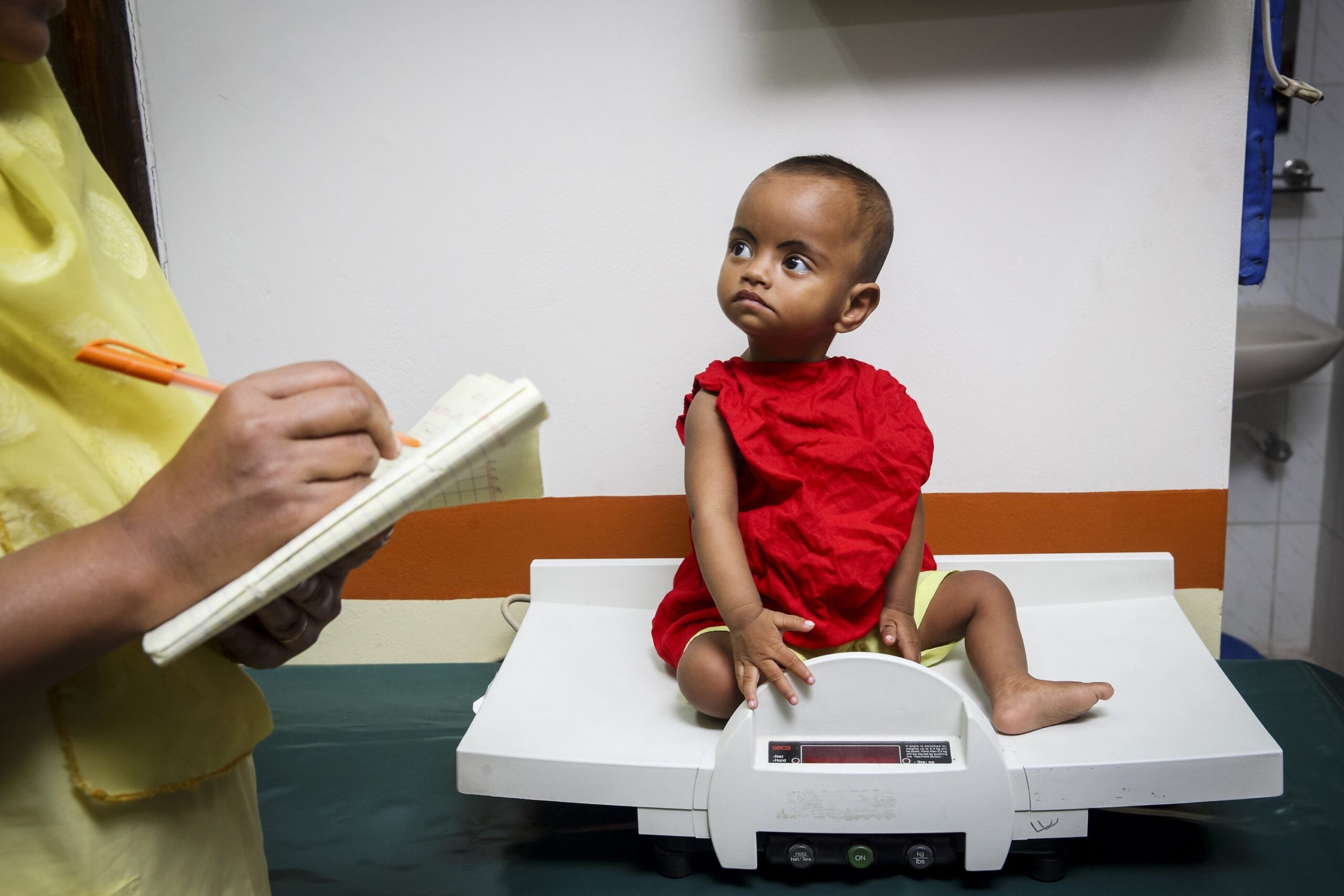
Headquartered in Dhaka, Bangladesh, the International Centre for Diarrhoeal Disease Research has about 4,500 staff, including 200 scientists. It treats 200,000 people a year for free at three hospitals and researches new vaccines and interventions for diseases and health problems acute in low- and middle-income countries. Areas of focus include reducing maternal and neonatal fatalities, preventing and treating malnutrition, and improving health systems.
John Clemens, the center’s executive director since 2013, said in a telephone interview that it will use the $2 million award to advance work on a number of projects in its research-and-development pipeline. They include low-cost ways to prevent and treat pneumonia and severe malnutrition in children, maternal hemorrhaging during pregnancy and childbirth, and tuberculosis.
“I think there is a lot of exciting and potentially impactful work going around, both in the realm of cutting-edge science and in the realm of implementation of simple, inexpensive interventions,” Dr. Clemens said.
The center — also widely known by the abbreviation icddr,b — has been in operation for more than five decades. It has developed critical medical treatments and delivery mechanisms, including what is known as the Oral Rehydration Solution, a type of fluid replacement used to treat dehydration caused by diarrhea that is credited with saving tens of millions of lives. It also was the first organization to prove that the most effective way to vaccinate against cholera is by mouth rather than by injection, Dr. Clemens said.
Many people think of cholera as “a thing of the past,” he said. But an estimated 100,000 people die of the illness each year.
“I think Americans were awakened to the problem of cholera in 2010 with the major outbreak in Haiti, not far from the shores of the United States,” Dr. Clemens said. “That is an outbreak that continues to this day.”
Family Health
The center has also been a longtime leader in family planning and health. In the late 1970s, it began running a field experiment in an area called Matlab, 30 miles south of Dhaka, that involved tens of thousands of people. The research demonstrated that using female community-health workers is the most effective way to execute family-planning programs in developing countries, a model that is now “virtually standard in the developing world,” Dr. Clemens said.
He said the center has an annual operating budget of $70 million. It is supported by four donor countries — Bangladesh, Canada, Sweden, and the United Kingdom — and grants from organizations, including the Bill & Melinda Gates Foundation.
This is the second time since the Hilton Humanitarian Prize debuted in 1996 that it has gone to a charity based in Bangladesh. The 2008 award went to BRAC, which makes microloans to help people escape poverty by starting small businesses.
Dr. Clemens said Western foundations aiming to align their grant making with the United Nations’ Sustainable Development Goals, or SDGs, should look to support organizations that, like his, are situated in the global south.
Such groups “not only talk the talk but walk the walk” in tackling global health and development challenges, he said. For example, the community-health-worker concept pioneered by his organization helped Bangladesh become one of only a half-dozen countries to reach the target for reducing childhood and maternal mortality set in the U.N. Millennium Development Goals, which preceded the SDGs.
The Hilton Foundation is one of the country’s largest private grant makers, with $2.6 billion in assets at the end of 2015, according to tax filings. The value of the humanitarian prize, initially $1 million, was raised to $1.5 million in 2005 and to $2 million in 2015 to mark its 20th anniversary. At the time, the foundation also announced it would spend an additional $2 million to facilitate collaboration and learning among its network of past prize winners.






