
How Black Americans Have Long Given Their Time and Money to Advance Social Change

By Kristen Griffith
Contributor
February 11, 2022 | Read Time: 4 minutes
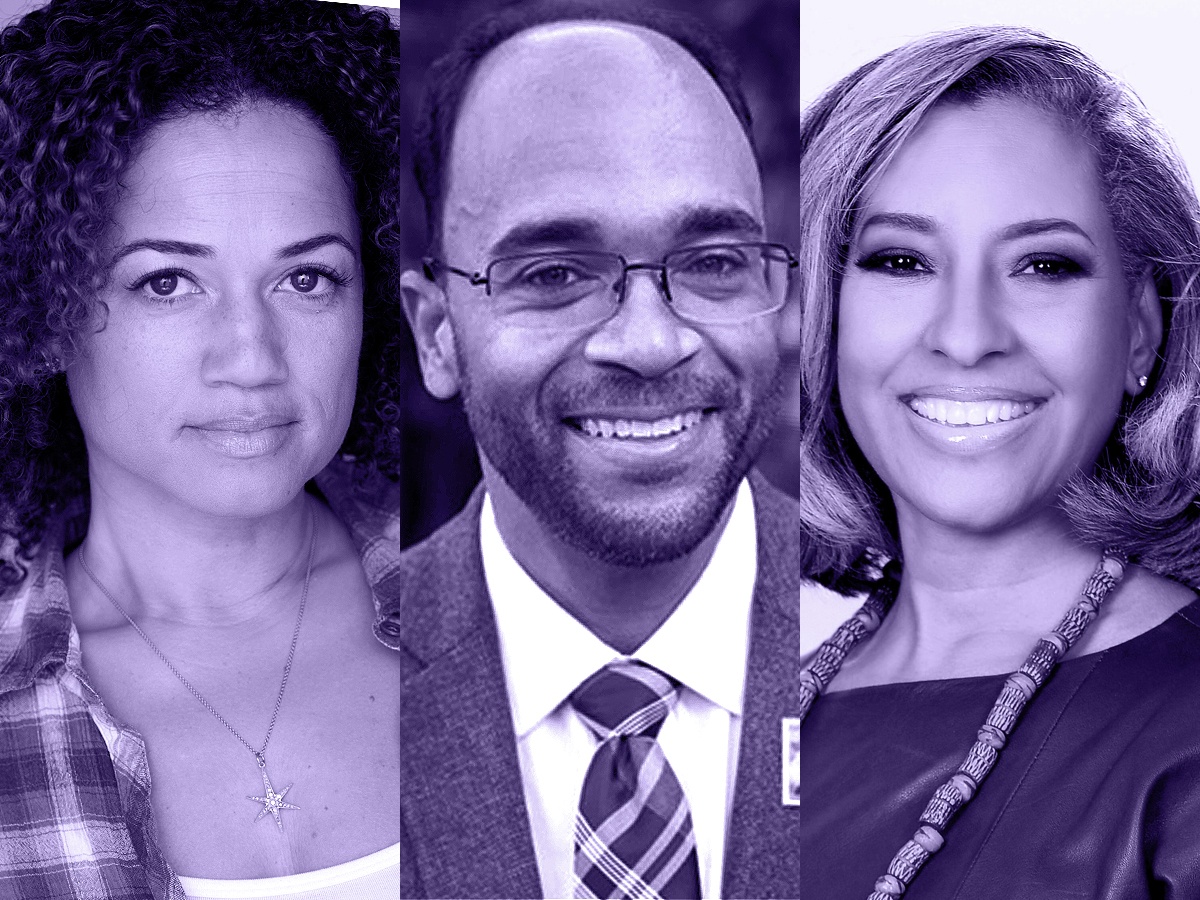
As part of Black History Month, the philanthropy historian Tyrone McKinley Freeman, the philanthropist Bridgid Coulter Cheadle, and the leader of one of the nation’s biggest volunteer organizations, Kimberly Jeffries Leonard, gathered online to discuss how they and other Black leaders are following in the footsteps of history’s trailblazers by giving not just money but also volunteering and serving as advocates.
Madam C.J. Walker, a 20th-century entrepreneur and the first female self-made millionaire, was one of those trailblazers, according to Freeman, associate professor of philanthropic studies at the Indiana University’s Lilly Family School of Philanthropy.
Freeman, author of “Madam C.J. Walker’s Gospel of Giving: Black Women’s Philanthropy During Jim Crow,” said that she started giving as soon as she had something to give. As a poor widow and mother, her contributions of food, money, and clothes helped neighbors. As she achieved success, her charitable donations helped fund education and social-justice work. Throughout her life, she demonstrated that giving goes beyond money, he said.
At the online event organized by the Associated Press, the Chronicle of Philanthropy, and the Conversation, Leonard and Cheadle said they identified with Walker’s philanthropic beginnings. They said helping others was ingrained in them since childhood. They also offered suggestions on how to motivate young people to volunteer.
Leonard, national president of Links Incorporated — founded in 1946 to help children, promote culture, and improve education — first saw philanthropy in action through her mother and grandmother as she grew up in North Carolina. They volunteered at organizations including the American Red Cross and Fort Bragg Army hospital. Leonard volunteered at her church and saw her neighbors pitch in when a family was in need.
Now Leonard leads Links, a nonprofit group that’s grown to more than 16,000 women with 292 chapters in 41 states, Washington, D.C., the Bahamas, and Britain, along with the Links Foundation. Members are required to serve their communities as part of their membership.
Cheadle also said giving was part of her family’s culture. Cheadle recalled that when she was about to start classes at the University of California at Los Angeles, her family scraped together $200 to purchase a new typewriter.
In 2018, she started Blackbird, a physical and digital working space that supports women of color. She said her workspaces provide women with places to network, create positive social economic change, celebrate creativity, and promote wellness, productivity, and advocacy.
Shortly after Blackbird started, it had to pivot because of the pandemic, Cheadle said. She now helps women focus on their health and well-being as they work. Leonard said Links also made some changes. It switched to a virtual environment, promoted vaccines, and continued to support members’ businesses that were having difficulty during Covid.
When asked what could be done to encourage young people to volunteer, Leonard said they have to be shown why it’s important and given the opportunity to volunteer in a way that makes sense to them and that fits their schedules.
If leaders do that, she said, young people will be more willing to give their time.
Cheadle added that young people need to see that volunteering makes a difference. Show them by example.
“I would say, walk the walk and tell them, explain to them, why you’re doing it. And then they follow,” she said. “It can be very discouraging when it feels like nothing changes from the work that you’re doing. So watching and showing the successes … could also be helpful.”
Freeman also asked Leonard and Cheadle about how they got involved in giving.
Cheadle said at first she didn’t consider herself a philanthropist, but now she wants everyone to understand that being a philanthropist is not only for millionaires.
Leonard drew on what she learned about Walker from Freeman’s book to help answer his question. She recalled how Walker gave a little when she had a little and gave more when she had more.
Reporting for this article was underwritten by a Lilly Endowment grant to enhance public understanding of philanthropy. See more about the grant and our gift-acceptance policy.




