How Cultivating Small Donors Led to a $10 Million Gift
Eyeing the wealth transfer and using technology to stay on top of trends have paid off.

By Eden Stiffman
Senior Editor
November 5, 2019 | Read Time: 4 minutes
Staying in touch with donors can really pay off, especially as the generational transfer of wealth picks up.
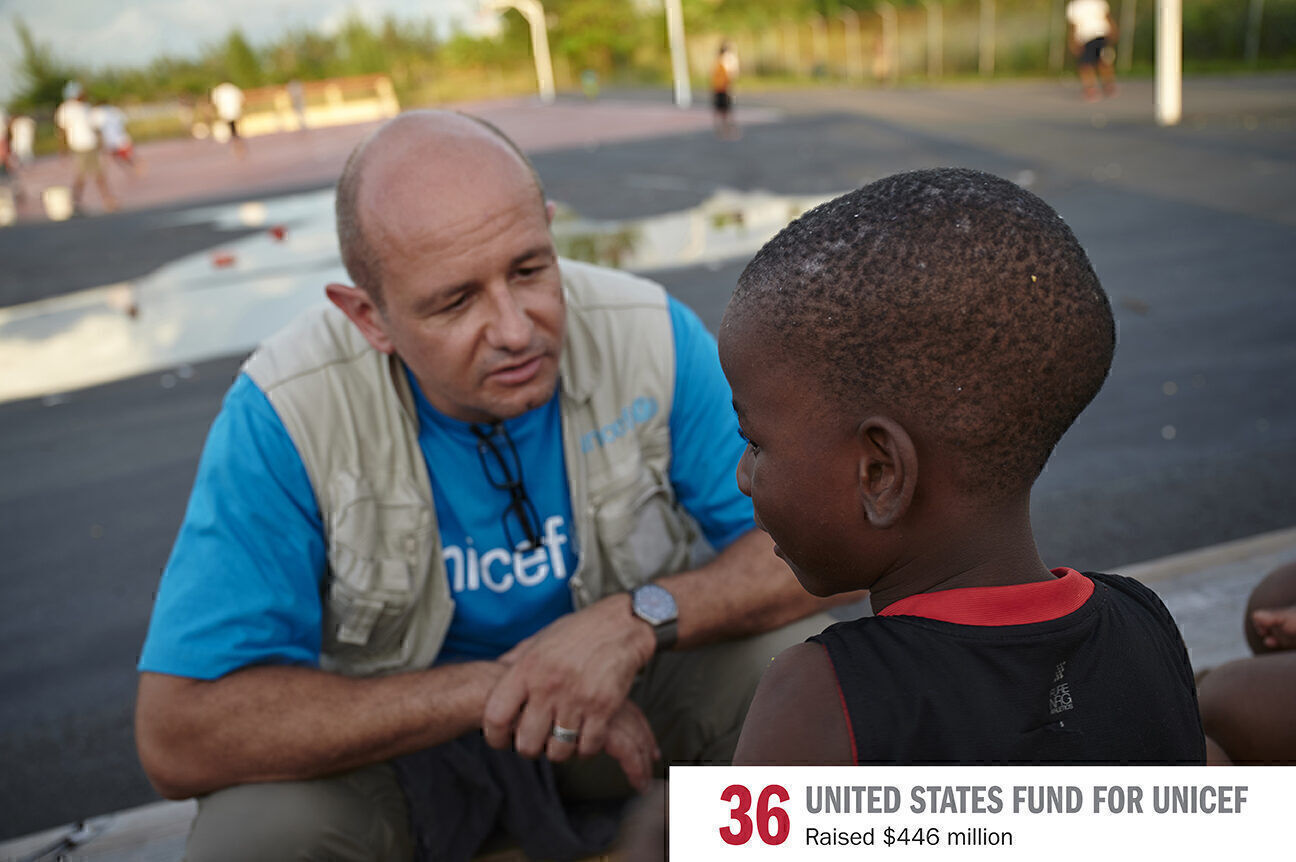
Unicef USA, a branch of the U.N. charity that provides humanitarian aid to children around the world, ranks No. 36 on our list of the charities that raise the most in cash support. The group brought in $446 million in the 2018 fiscal year, an increase of more than 23 percent over the previous year.
One reason for the increase: a more than $10 million contribution from a longtime donor in Chicago, says chief development officer Barron Segar.
When Segar called the donor to thank him, the donor said that he regularly got invitations to events and program updates from a regional Unicef office, even when he was giving $100 or $500 a year.
The donor had given at various levels, but after he inherited a family asset and received a windfall upon its sale, he made this gift — his largest to date.
Unicef USA has nine regional offices around the country, each with three or four major-gift officers. On average, each gift officer is accountable for about $2 million a year in revenue. Each regional office has its own board, for a total of roughly 190 regional board members who are actively donating and working their networks.
“We have a geographic advantage of being close to our donors,” Segar says.
Segar says he expects to see more periods when the generational wealth transfer is very large — and leads to gifts — but notes that those periods are difficult to predict. “We’re getting more requests than ever and more inquiries about legacies and planned giving.” Unicef received $14.6 million in bequests in 2018, up from $10.6 million in 2017.
Using Data to Shape Appeals
Segar says that his work is often informed by trends that Shelley Diamond, chief marketing officer, and her team see online. A daily Google Analytics report looks at how many new visitors have come to the charity’s website, how many people searched online for “Unicef,” and how many donors gave online. Diamond often sends an end-of-day email about notable trends — individuals in the United States are responding generously to Hurricane Dorian relief, for example.
“When we know that this is something that Americans are responding to in a significant way,” Segar says, “that is one of my many triggers” to send fundraisers out to major donors — corporate partners, faith-based communities, and membership groups like Rotary and Kiwanis — with an appeal.
While more than half of small donors are still giving in response to direct-mail appeals, the fastest growth is coming from digital channels. The organization is seeing a lot of success with fundraising via email in particular.
When Hurricane Dorian struck the Bahamas in August, Unicef USA sent emails out immediately to people who have a special interest in that part of the world. In less than a week, they had raised about $600,000 just through email.
“Political campaigns have created a behavior that we’re actually tapping into,” Diamond says. “People are used to getting it and giving.”
Looking ahead, Unicef fundraisers expect to see even greater giving from foundations and corporations. They also know they’ll have to work hard to better understand their future donors. The plan is to test brand-awareness campaigns in the group’s regional markets and try to target people in new ways.
Unicef USA has long run direct-response television ads. “Back in the day, that was a big acquisition channel,” says Diamond. But that’s changed as the way people consume media has shifted significantly and the political climate has created a more expensive media market on television. This past summer, the organization began testing Addressable TV, which can target users of Hulu, Spectrum, and other streaming services at the ZIP-code level.
The charity believes this tool will help it be more efficient in how it reaches people most likely to support its cause compared with the broader audiences traditional TV ad-buys reach.
“There’s a new generation of donors that have to hear our story,” Diamond says. “We almost have to reintroduce our brand to them.”
Eden Stiffman reports on nonprofit trends and fundraising for the Chronicle. She recently interviewed MIT’s Epstein Whistle blower about her own lack of fundraising ethics training, and other topics. She also writes a popular weekly fundraising newsletter. Email Eden or follow her on Twitter.