
How Muslim Americans Meet Their Charitable Obligations: 3 Findings From New Research
April 22, 2022 | Read Time: 4 minutes
Zakat, one of the five pillars of Islam, is an obligatory act of giving and among several distinct forms of Islamic charity. The Quran and hadiths, the words and sayings of the Prophet Muhammad, prescribe what kind of charitable causes are eligible to receive these funds.
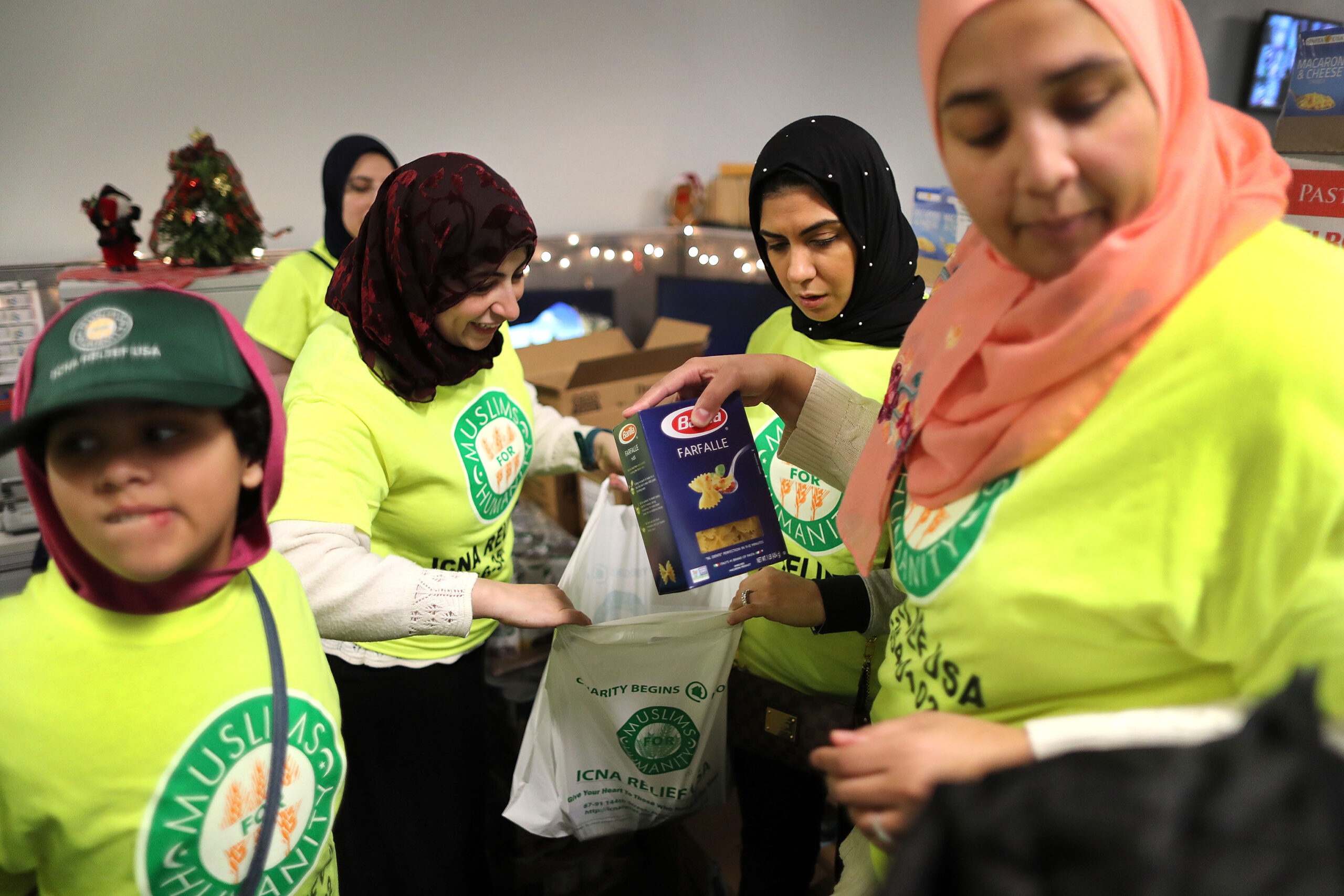
Although Muslims are expected to give away 2.5 percent of their wealth every year, there is no time of year officially designated for zakat. Yet, many Muslim Americans fulfill this mandatory charitable obligation during Ramadan, a monthlong period of fasting and spiritual growth.
Muslim Americans gave $1.8 billion in zakat funds in 2021, we found in new research regarding how and where Muslim Americans give zakat. We — three scholars of philanthropy –—surveyed a representative sample of 1,005 Muslim Americans.
We estimate that zakat accounts for around 40 percent of total U.S. Muslim giving, based on the results of a related study completed in 2021. Here are three key findings from our latest research about how Muslim Americans approach this charitable tradition today.
1. Zakat is both formal and informal
.
Muslims primarily support formal charities and government entities, but they also give informally. This generally happens either by dispatching money to loved ones in other countries, in payments known as remittances, or giving money directly to other people in need.
Some 25.3 percent of the money U.S. Muslims give as zakat goes to international organizations, 21.7 percent supports governments, and 18.3 percent flows to domestic-focused U.S. nonprofits. In addition, 14.7 percent of the money is given informally to individual people, often relatives, while 12.7 percent is sent abroad as remittances. The rest, about 7 percent, supports miscellaneous other kinds of causes.
Finding that more than one in four zakat dollars is given informally surprised us. That’s because prior research had suggested that after 9/11, Muslims faced legal pressure to fund only certified charitable organizations.
The U.S. government claimed for years that some Muslim charities and funding networks were financially supporting extremist organizations. This presumption cultivated a climate of fear and suspicion and stoked heightened U.S. surveillance, as well as waves of fearmongering toward Muslim charities. Yet despite these pressures to formalize charitable giving, we find that zakat giving continues to operate significantly through informal means.
2. Zakat reflects the ethnic and socioeconomic diversity of U.S. Muslims.
The nearly 3.5 million Muslim Americans are only 1.1 percent of the nation’s population but are demographically diverse — including African Americans, Latinos, Arabs, Asians, and whites, with no one ethnic group making up a majority. Some 58 percent of U.S. Muslims were born in other countries.
Despite having the same level of education as the general population, U.S. Muslims are nevertheless disproportionately poor.
We found that white Muslims gave the most to charity as zakat —a mean of $3,732. Asian Muslims were next, giving an average of $1,089. Arabs averaged $569 in gifts, and African Americans gave an average of $420. People of mixed ethnicity averaged $336.
U.S. Muslims in their 40s gave an average of $2,560 in zakat annually, followed by $2,298 for those ages18 to 29. Muslim Americans who were in their 30s gave $1,799, those 65 and older, $1,074. Interestingly, we found that those who were 50 to 64 years old gave the least: $474, on average.
3. Zakat consists of a wide range of acts
.
We also found that Muslims consider philanthropy to consist of a wide range of acts that go beyond giving money.
In addition to volunteering or in-kind donations, these other forms of philanthropy include actions such as smiling, doing something for others out of good intentions, helping relatives, encouraging proper behavior, furthering good causes, abstaining from harmful acts, and advocating on behalf of the oppressed. The Prophet Muhammad reportedly said that “smiling in the face of your brother is an of act of charity.”
Many Muslims see this broad understanding of philanthropy as essential to their social and civic participation. This model comes from the Prophet Muhammad, who espoused giving to charity — known as Sadaqa in Arabic.
The next phase of this research will analyze how race, gender, and Islamic theological traditions impact Muslim American giving practices.
Editor’s note: This article is part of a partnership the Chronicle has forged with the Conversation to expand coverage of philanthropy and nonprofits. The three organizations receive support for this work from the Lilly Endowment. This article is republished from the Conversation under a Creative Commons license.




