
December 5, 2017 | Read Time: 2 minutes
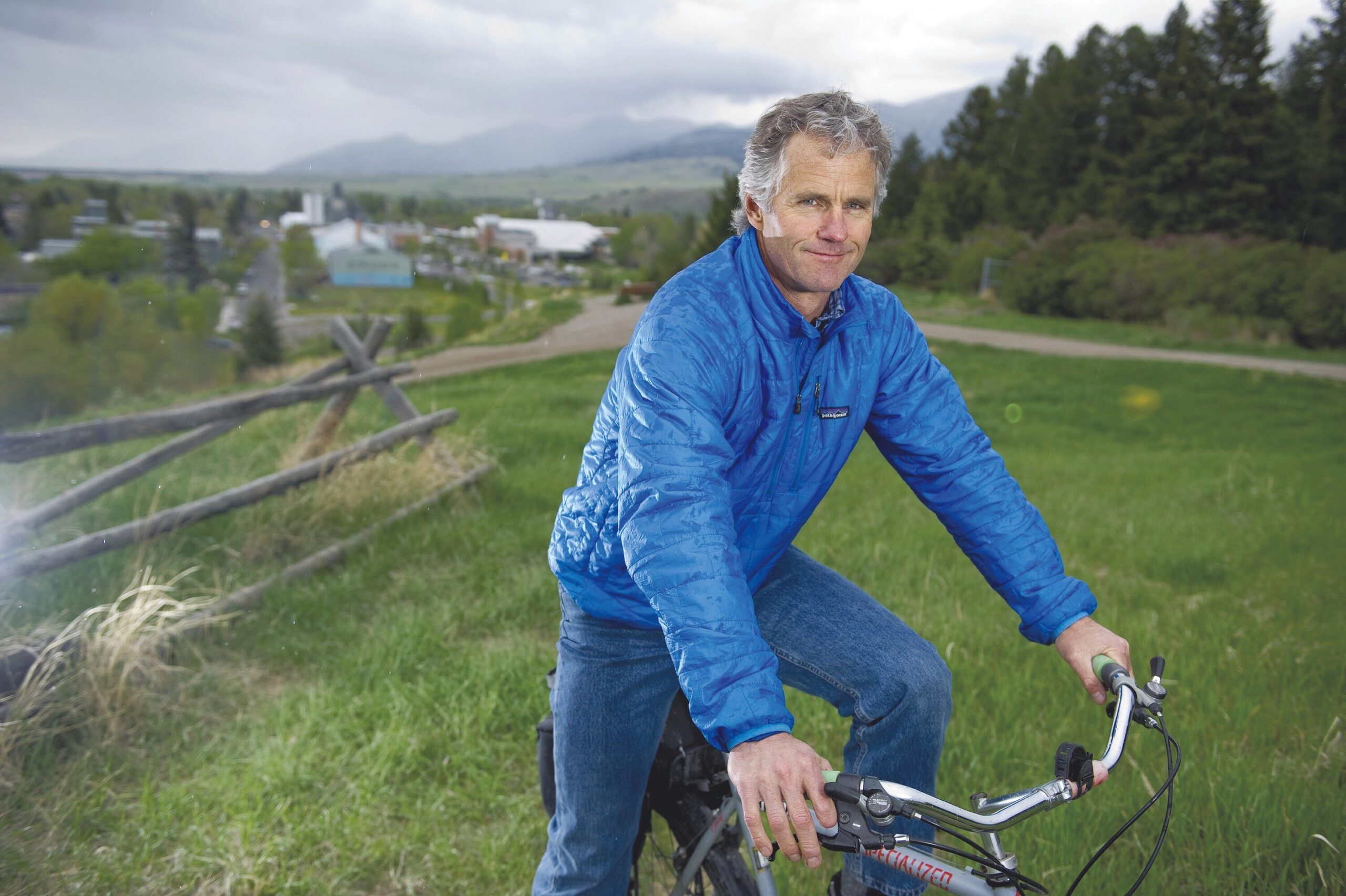
Decisions on land management — issues like oil and gas exploration or balancing the needs of industry and tourism — can pit neighbor against neighbor. Ray Rasker and Headwaters Economics, the nonprofit research group he leads, jump into the fray, helping communities in the West make smart, data-driven decisions.
Sometimes Headwaters Economics goes deep, like its program to curb threats posed by today’s more frequent wildfires that burn bigger and longer than ever.
The group brought together experts from across the country for a forum to come up with solutions. Headwaters is now working with 18 cities and counties — and will start meeting with eight more next year — to reduce their risk. The group identifies neighborhoods facing the biggest threat and helps rewrite ordinances with fire safety in mind. A municipality might, for example, require flame-retardant roofs on homes built near forests.
“A think tank would write a white paper and say, ‘Here are some solutions,’ ” Mr. Rasker says. “We don’t do that. We say, ‘Here are some solutions, and we can solve it.’ ”
Other projects aim to package data in easy-to-use formats. Through the group’s Economic Profile System, users pull data from 17 federal agencies on topics like economic development and land use, and generate reports by county, region, state, or nationwide. Compiling such reports from scratch would take weeks of work, even for trained economists, Mr. Rasker says
Because Headwaters helps people discover facts, the organization is often able to avoid the political divisiveness now roiling the country, Mr. Rasker says.
“When I get back in the car and I’m driving home, I think to myself, ‘That was just the coolest group of people,’ ” he says. “It never occurred to me to think about whether they were Democrats or Republicans. It’s irrelevant. Those are folks who love where they live. They’re very passionate about their neighbors and about their community, and they’re trying to do the best they can.”