
How the Ice-Bucket Challenge Is Helping to Rebrand a Mission

By Avi Wolfman-Arent
Contributor
August 22, 2014 | Read Time: 3 minutes
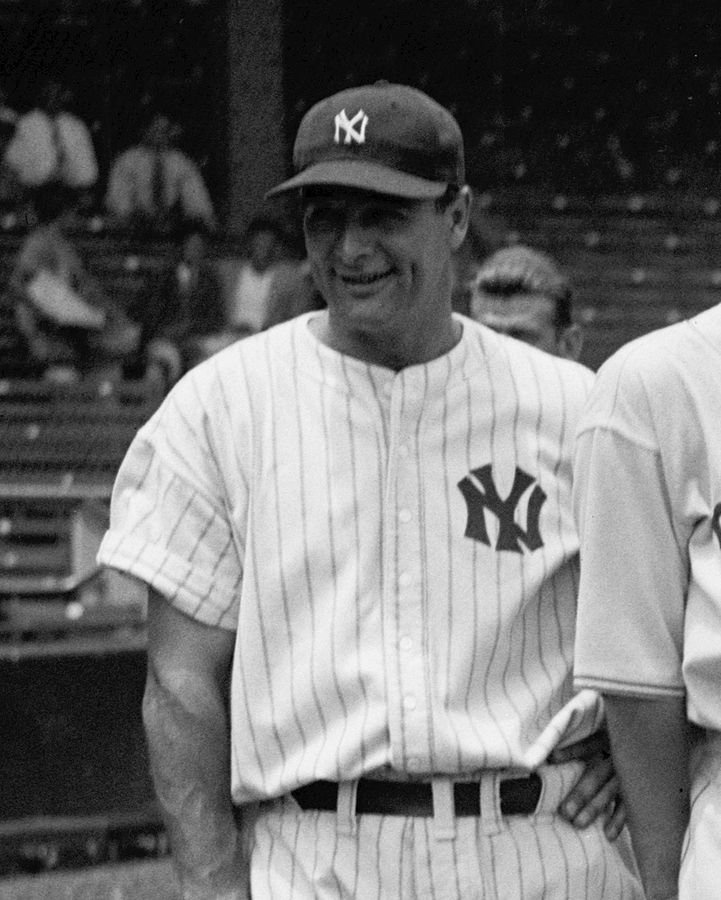
Amyotrophic lateral sclerosis, or ALS, has long been known as Lou Gehrig’s disease—a nod to the beloved baseball player who died of the disease in 1941. Even today, newspaper articles often attach clauses like “commonly known as Lou Gehrig’s disease” when mentioning the illness.
But those asides may soon be unnecessary, as the viral ice-bucket challenge fundraiser has effectively removed Mr. Gehrig from the discussion.
And that may be a boon for the ALS Association. The organization, which has raised $53.3-million since the challenge began, has been working for two years to rebrand the disease so it’s known exclusively as “ALS.” The effort stems from market research showing that younger donors don’t recognize Mr. Gehrig’s name, says Carrie Munk, the association’s chief communications and marketing office,
As a result, the organization has begun to pivot, steering media and supporters toward a common name without generational hang-ups.
The group’s logo, for instance, once featured a large red “A” with the phrase “Fighting Lou Gehrig’s Disease.” Today, it features the full abbreviation for the disease and does not mention Mr. Gehrig.
It’s hard to know whether those rebranding efforts influenced the originators of the ALS ice-bucket challenge, which began independent of the ALS Association. But the fact remains: The fundraising sensation has raised awareness for a disease called “ALS,” and considerably less for “Lou Gehrig’s disease.”
“From the beginning of this campaign, it hasn’t been Lou Gehrig’s disease,” says Ms. Munk. “It’s been ALS, ALS, ALS—which is incredibly important to moving our mission forward.”
Not everyone, however, wants to give up the Gehrig name. Roxan Olivas, vice president for public relations at the Muscular Dystrophy Association, which raises money for ALS and other neuromuscular diseases, says the organization is sticking with an approach that mentions both ALS and to Lou Gehrig in its discussions of the disease .
“It’s definitely something that we’ve thought of, but we always brand it together just to cover our bases,” she said. “No matter what, we always mention both.”
As Ms. Olivas notes, the association with Mr. Gehrig still has benefits, particularly in the sports world. Major League Baseball has been a prominent supporter of ALS research, starting a charitable campaign in 2009 called “4ALS.” This summer, on the 75th anniversary of Mr. Gehrig’s farewell “Luckiest Man” speech, the league donated $300,000 to ALS charities and held a special day during which players, managers, and umpires wore patches commemorating the event. The league has also pledged an additional $16,700 so far as part of the ice-bucket challenge.
Nathalie Laidler-Kylander, a lecturer at Harvard University’s Hauser Institute for Nonprofit Organizations and an expert in nonprofit branding, says that shift can jeopardize “the equity that’s already in the existing name.” That doesn’t mean, however, it shouldn’t be attempted and can’t be managed gracefully.
“When what the brand represents is no longer relevant or vibrant, that’s a good time to make the change,” she says.
And social-media campaigns like the ice-bucket challenge are good conduits for brand shifts, she says, because they engage large numbers of people and empower them to become “brand ambassadors.”
“If you were trying to do this solely as an organization, it would be a lot harder,” she says, adding that the challenge’s success should further encouraging the ALS Association to stay on the one-name path. “Even if they weren’t thinking about shifting to ALS before, they really should now.”




