

March 4, 2012 | Read Time: 2 minutes
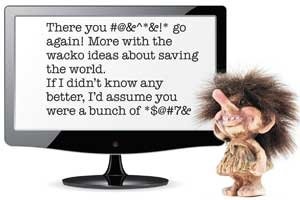
Whether your nonprofit deals with a controversial issue or not, chances are good that you may meet negative comments from a vocal detractor, often called a “troll.”
Public criticism of nonprofits on sites such as Facebook or private message boards isn’t as common as some people think, says Richard Millington, founder of FeverBee Limited, an online consultant in London. But almost every group encounters troublemakers now and then, and dealing with them is a challenge for some organizations.
When you do have to deal with vitriol, consider the following questions.
What’s their motivation?
People who search out a nonprofit online to cause trouble usually disagree with the group’s mission, Mr. Millington says. But not all of them are unreasonable.
Chris Eaton, a social-media strategist at Greenpeace, says he regularly sees two kinds of disrupters: people who are passionate about an issue and those who just want to quarrel.
Mr. Millington says it’s best to give disruptive people the chance to explain their positions.
Mr. Eaton says he responds to any accusation by answering it as if it was a question and makes sure the person feels that his or her views have been heard. After they get an acknowledgment, many people will calm down.
Should this person be treated as a villain?
Sometimes a debate can be good for an organization, as long as it doesn’t include personal threats or malign the institution. In fact, Mr. Millington says a vocal opponent can often galvanize supporters. Not everyone has to get along all the time.
“I’m perfectly happy to have people in a community not be liked,” he says.
Mr. Eaton said a strong group of supporters will sometimes deal with negative comments on their own.
Is responding worth your time?
If you don’t want to deal with the troublemaker, just delete his or her comments or block them from participating in online discussions.
While the Coalition to Stop Gun Violence once allowed debate on its blogs and Facebook page, it became a burden to keep up with comments that crossed the line, says Ladd Everitt, director of communications. He decided to spend his time doing something more effective and barred negative comments. “It doesn’t help our mission, and it doesn’t help the people who support us,” he says.
Should I go a step further?
You can ban a problem member, but a devoted agitator can find a way to get back in. If a commenter is particularly abusive, a community manager can alert police or contact the person’s Internet service provider.







