How to Help Minneapolis – and Prepare if the Crisis Spreads
Nonoko Sato, CEO of the Minnesota Council of Nonprofits, on how outsiders can help charities in Minneapolis — and prepare for divisive immigration crackdowns in their own cities.

By Ben Gose
Senior Editor
January 30, 2026 | Read Time: 5 minutes
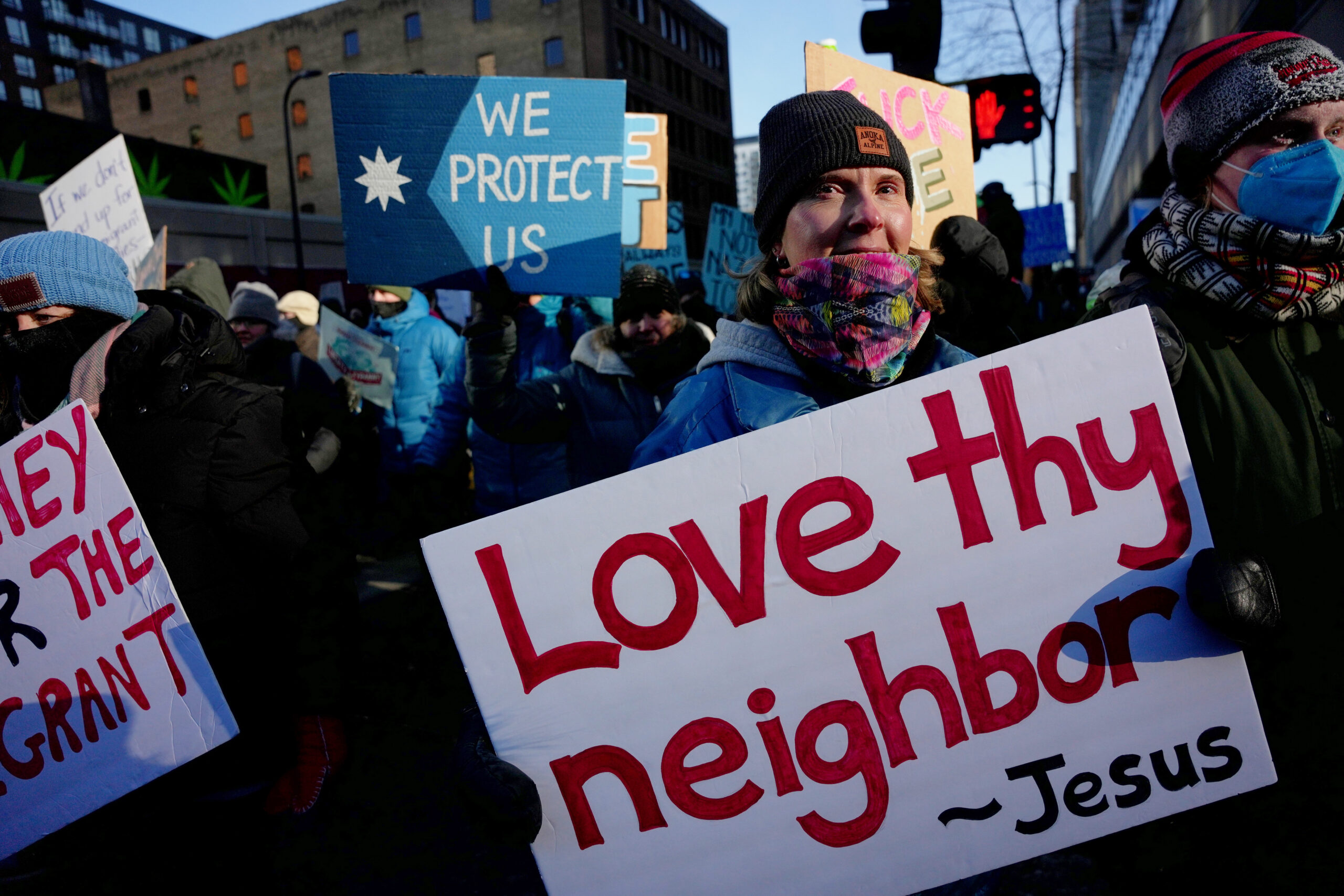
Minneapolis has become the center of conflict between the Trump administration’s push to remove millions of immigrants from the country and people and groups working to protect immigrants from deportation, including nonprofits and faith-based institutions. Two people have been killed by federal agents and, in the midst of bitter cold, protesters are documenting agents’ activity and warning neighbors of their presence.
Foundation and nonprofit leaders are speaking out in support of peaceful protest and against the violence employed by Immigration and Customs Enforcement agents. Some local foundations have set up funds to support area nonprofits and small businesses.
Nonprofits are at the center of the turmoil. A $250 million fraud scandal involving the nonprofit Feeding Our Future, which relied on restaurants and caterers to provide meals to kids during the pandemic, has led to the convictions of more than 60 people, nearly all of Somali or other East African descent. That prompted the Trump administration to flood the city with ICE agents. And now nonprofits in the city are working hard to help their neighbors in the midst of incredibly trying and often dangerous circumstances.
The Chronicle caught up with Nonoko Sato, CEO of the Minnesota Council of Nonprofits, to learn more about the nonprofit response in Minneapolis, how outsiders can help, and what other cities can do to prepare for potential crackdowns.
This interview was edited for brevity and clarity.
What are you seeing in Minneapolis now?
We are seeing immigrants who are afraid to leave their homes. Schools are trying to accommodate families of students who are not showing up in person, so some schools are going virtual. There are a lot of concerns about the cold weather and people being evicted.
People aren’t necessarily getting the care they need because they’re afraid of going out. So food banks are having to consider: Should we purchase a van to get food to people? We’re hearing reports that pregnant women are not going into hospitals because they are afraid they might get snatched by federal agents.
How have nonprofits responded?
Nonprofits have been navigating a lot over the past couple of years. In Minneapolis, having gone through the murder of George Floyd and the subsequent uprising, many nonprofit organizations did pivot at that time to help where needed in the community. It was a terrible situation, but it was really beautiful how people were showing up. I think that is being reflected now –— there’s some muscle memory for many organizations that knew immediately to start collecting food donations, to make sure that people understood their rights.
There isn’t necessarily one entity that’s doing everything —- it’s just popping up naturally. Parent-teacher organizations are making sure that students are getting home safely. Singing groups are being put together — just to bring a little joy into the lives of people. Training sessions on how to be a legal observer are completely filling up. Minnesotans understand the importance of neighbors supporting each other, and we’re seeing that both at the nonprofit and at the community levels.
How are local charities doing?
Organizations in the middle are most at risk. Smaller community-based organizations and mutual-aid programs potentially can survive this moment because they are nimble — and they probably don’t have a lot of operating expenses. Larger organizations with resources or advocacy arms —- that are able to talk about their work — are also most likely going to be fine. The middle-sized organizations … there is definitely fear about what could happen to them. We just released a statement about actions that out-of-town people can take to support Minnesota nonprofits, including a list of groups seeking funding.
What are you seeing locally — are foundations and local donors stepping up?
Local foundations banded together in 2025 to think about which supports nonprofits may need. There’s a lot of immigrant rapid response funding that’s coming out, [including an effort hosted by the Women’s Foundation of Minnesota] to try to address the big needs. It’s not enough necessarily, but it’s there — we’re feeling supported by the local community.
What can charities and funders in other cities do to prepare if similar turmoil comes their way?
This isn’t just a Minneapolis problem. Obviously, it has and it could spread to other cities. Funders in other cities need to have a plan in place in case rapid-response funding needs to happen. If they’re going to pool money, that’s great, but then who’s going to be giving out that money, and who’s going to be committing what kinds of funds? I think they can learn a lot from us about what types of support are needed. There’s everything from rental assistance to providing legal support services. I saw a posting from the McKnight Foundation indicating that it [and the Joyce Foundation are supporting the Reporters Committee for Freedom of the Press so it] can hire a lawyer to provide pro bono help to local journalists so they can access data and information. That’s really needed for us to have more transparency.
Is reform of the nonprofit sector necessary in Minnesota, given the fraud?
No one is condoning fraud. And the bad players have been caught — especially around Feeding Our Future. It’s on the news because the system actually works. What’s scary to me is when people who really don’t understand the nuance and internal structure of nonprofit organizations try to regulate nonprofits more than they need to. They’re forgetting that we’re already really transparent. We’re already very accountable. We’re already having a really hard time doing the complicated work of solving societal issues.
Putting additional regulations on nonprofits is not going to be helpful. Nonprofits that qualify for state or federal funding should be able to get that without having to hire additional people to wade through new regulations. That favors the larger organizations that already have that kind of infrastructure in place over the middle or smaller organizations that might qualify for funding but just won’t bother to apply
The government needs the nonprofit sector. It’s not like they’re doing nonprofits a favor by giving them money. We are doing the work that they were elected to do.