

June 26, 2011 | Read Time: 1 minute
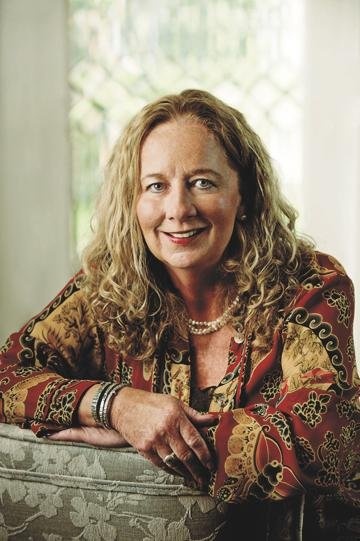
Cate O’Hagan, head of Arts Central, describes how she had to adjust her definition of success after watching her group’s revenues plummet from about $706,000 in 2008 to less than $423,000 in 2009. In recent meetings with grant makers, she complained that income from class-registration fees and individual donors had remained flat despite stepped-up marketing, communications, and donor-cultivation efforts.
“I was concerned,” she says. “Their response was: Flat is good.”
She says her group has survived partly because of help from grant makers, including the Meyer Memorial Trust, a fund in Portland that offered more than $2.5-million in operating support in 2009 and 2010 to help some of its grantees weather the economic turmoil. Still, she says, she has found it hard to calibrate her pitch for money: ”You’ve got to strike this balance between: We’re going to survive, but I’m really here begging. We’re worth the investment, I promise we’ll live, but we’re really hurting.”
Ms. O’Hagan says the group’s income is slowly picking up, however, so her 2011 budget anticipates that revenues will grow to $500,000, up from $440,000 in 2010. And she says the budget pressures, which forced Arts Central to streamline operations—along with some new staff members who brought fresh ideas—have produced a stronger organization.
The charity “refreshed” everything it was doing, she says—for example closing a money-losing art gallery but strengthening its work on advocacy and education, including adding more academic content to its curriculum. “I’m more positive about this organization than I have been in my entire 15 years here,” Ms. O’Hagan says.




