Influential Republican Seeks to Protect Charitable Deductions

By Doug Donovan
Contributor
March 18, 2013 | Read Time: 4 minutes
A House Ways and Means Committee panel this week will hold a roundtable discussion to gather information on foundations in the first of its efforts to examine how the nonprofit world might be affected if Congress changes the tax code.
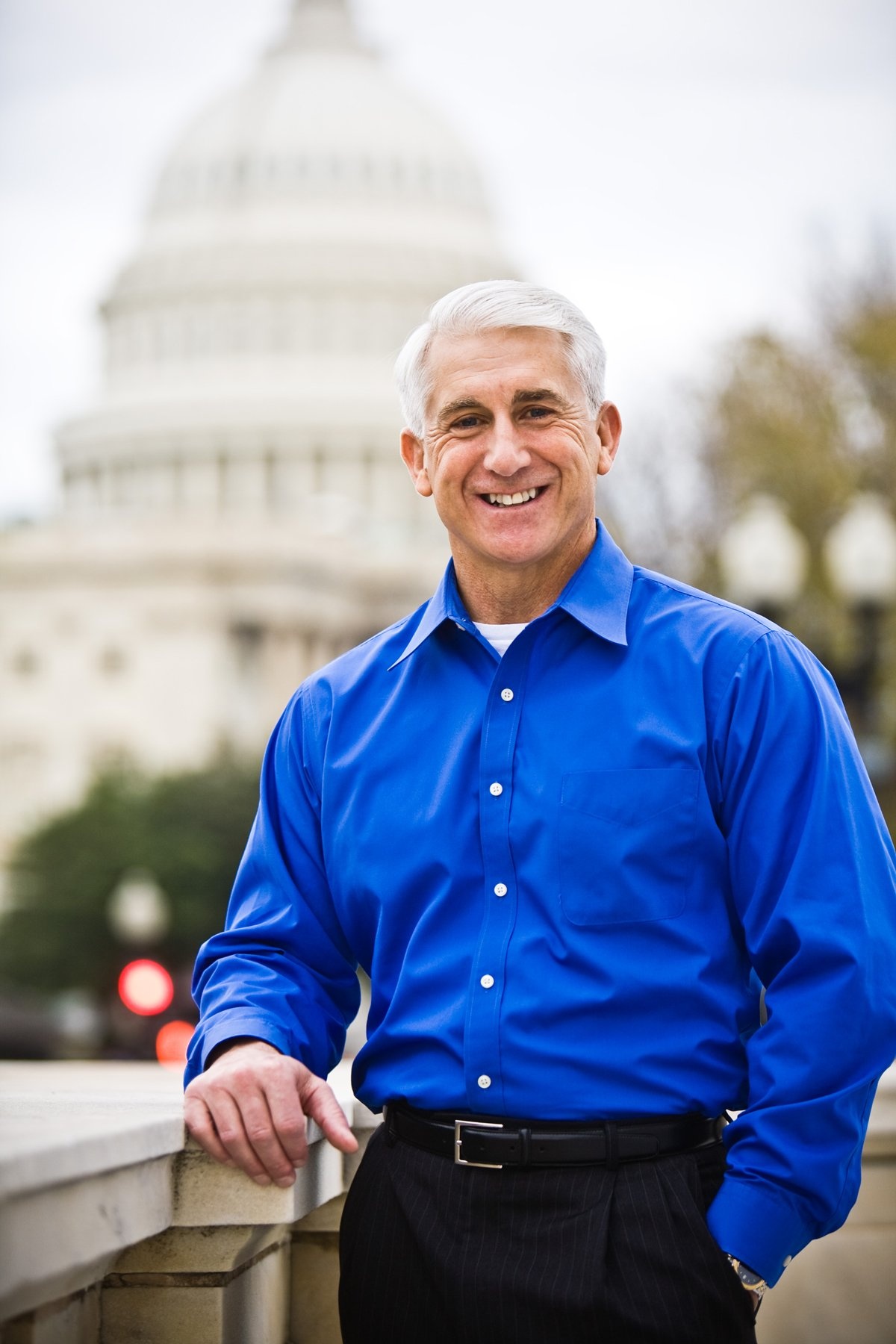
Rep. David Reichert, a Washington State Republican, who chairs a group of lawmakers examining charity issues, recently responded to written questions from The Chronicle.
What is your goal for the working group?
This is a fact-finding mission. The tax code hasn’t had a thorough overhaul since 1986, and it is important to go through every part of the code and get feedback from stakeholders, educators, the general public, and fellow members of Congress. Our group wants to know how the current tax code is affecting the charitable sector: what works, what doesn’t, and what can we do to improve current law.
Have you worked on legislation in the past related to charities?
I sponsored a bill on foundations that would amend the excess business-holdings rules to permit them to retain ownership of for-profit businesses that pay corporate taxes and give all of the remaining profits to charities. On noncash contributions, I’ve actively supported a bill that would allow those who donate vehicles to know the value of their contribution at the time of donation. They shouldn’t have to wait weeks or months for the vehicle to actually be sold. Last Congress, I co-sponsored a resolution that applauded the work of fraternal benefit societies.
What is your overall impression of the work that nonprofits perform for society?
Charitable organizations are vital to the success of many in our society.
They provide opportunities for training, education, counseling, housing, jobs, health care, and the list goes on.
They also encourage our communities to get involved, to recognize the needs of the neighbors, and then take action. They bring our neighborhood families closer.
I have served as the president of a 501(c)(3) [Washington States Sheriffs’ Association] and saw first hand the impact on the lives of those who give and on those who receive. I actively participate in supporting organizations like Special Olympics Washington. Just a couple of weeks ago, I had the opportunity to take a “polar plunge” into Lake Union to raise awareness and funds for them. Lake Union in February isn’t exactly bath water, but it was an honor to help the athletes and the community.
Do state and federal government cuts increase workloads on nonprofits while giving them less money to meet rising demand?
Any effort to put a cap on the charitable deduction would negatively affect giving. Sadly, there will always be people in need. Our efforts must be vigorously applied to reduce that need by getting people back to work. Reforming the tax code, of course, is a very effective and dynamic solution to reducing unemployment, hunger, and homelessness. Tax reform will create a certainty in our economy and allow small business to reinvest their revenue and capital back into their businesses, creating more jobs.
Have you ever supported changing the charitable tax deduction in the way President Obama has proposed, by capping it at 28-percent?
No. If you put a cap on the value of the charitable deduction, it will have a negative effect on giving. To be honest, that is the goal of the president. By capping the value and reducing giving, he will be raising taxes and therefore raise revenue to pay for government spending. I think that the money is better off in private hands.
Do you know any Republican lawmakers who are pushing for a dollar cap on itemized deductions?
I don’t know of any of my Republican colleagues in the House of Representatives that would support any sort of cap on the charitable deduction. A couple of weeks ago we had a seven-hour hearing where we heard from over 40 witnesses about the current state of section 170 of the tax code, the provision that allows for the charitable deduction. We heard from witness after witness that any sort of cap, be it dollar or percentage, on the charitable deduction would discourage giving. However, we also heard many people say that a floor on giving, such as a 2-percent-of-income floor [a 12-percent tax credit that would be available only for amounts beyond 2 percent of a taxpayer’s adjusted gross income], would not hurt, and might actually increase, giving. Information like this is what an open process produces, and this is why I am so encouraged by the continued openness of the working group.
What groups or experts do you intend to meet with during the fact-finding portion of the group?
We haven’t finalized which groups and experts we’ll be talking with, but I’m planning on having at least four roundtables. In the weeks ahead, there will be further discussions on the commercial activity of exempt organizations, noncash-contribution rules, and I will also be holding additional fact-gathering events at home in Washington State for local charitable groups.
We have also invited the public to submit comments to tax.reform@. Public comments will be accepted through April 15.