

May 10, 2017 | Read Time: 10 minutes
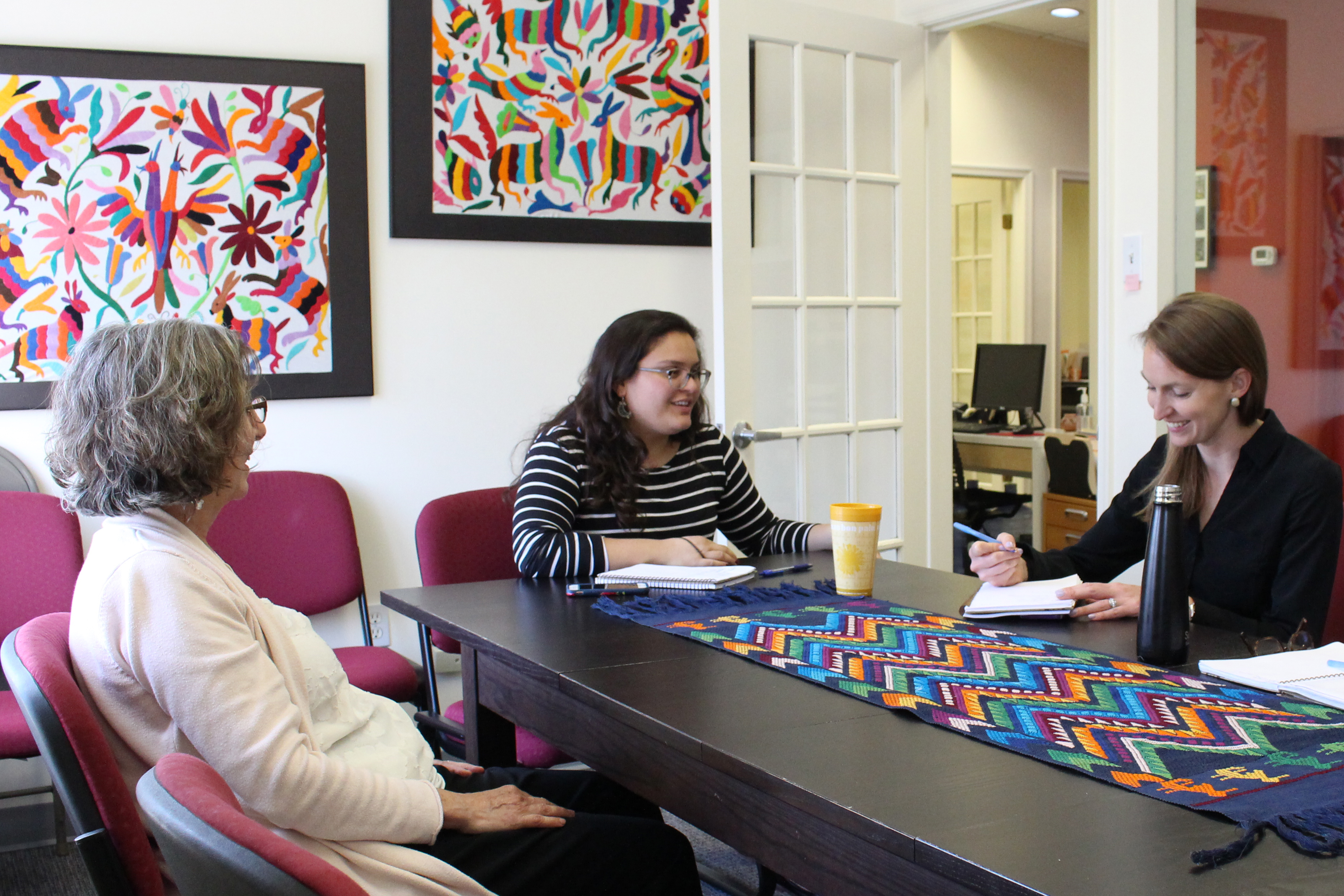
The Latin America Working Group’s Washington, D.C., office features plenty of natural light, art from the Caribbean and Central America, and the lingering smell of Guatemalan coffee.
“There’s also something to be said about our space’s homey vibe,” says Andrea Fernández Aponte, a program assistant for the group.
That is to say that the space is about 1,000 square feet on the top floor of a converted townhouse, which Ms. Aponte says is “perfectly comfortable” for the international activism nonprofit’s five staff members and seasonal interns.
A few weeks ago, we asked you to tell us about the unique, quirky, and inspiring amenities that make your space one-of-a-kind. You didn’t disappoint.
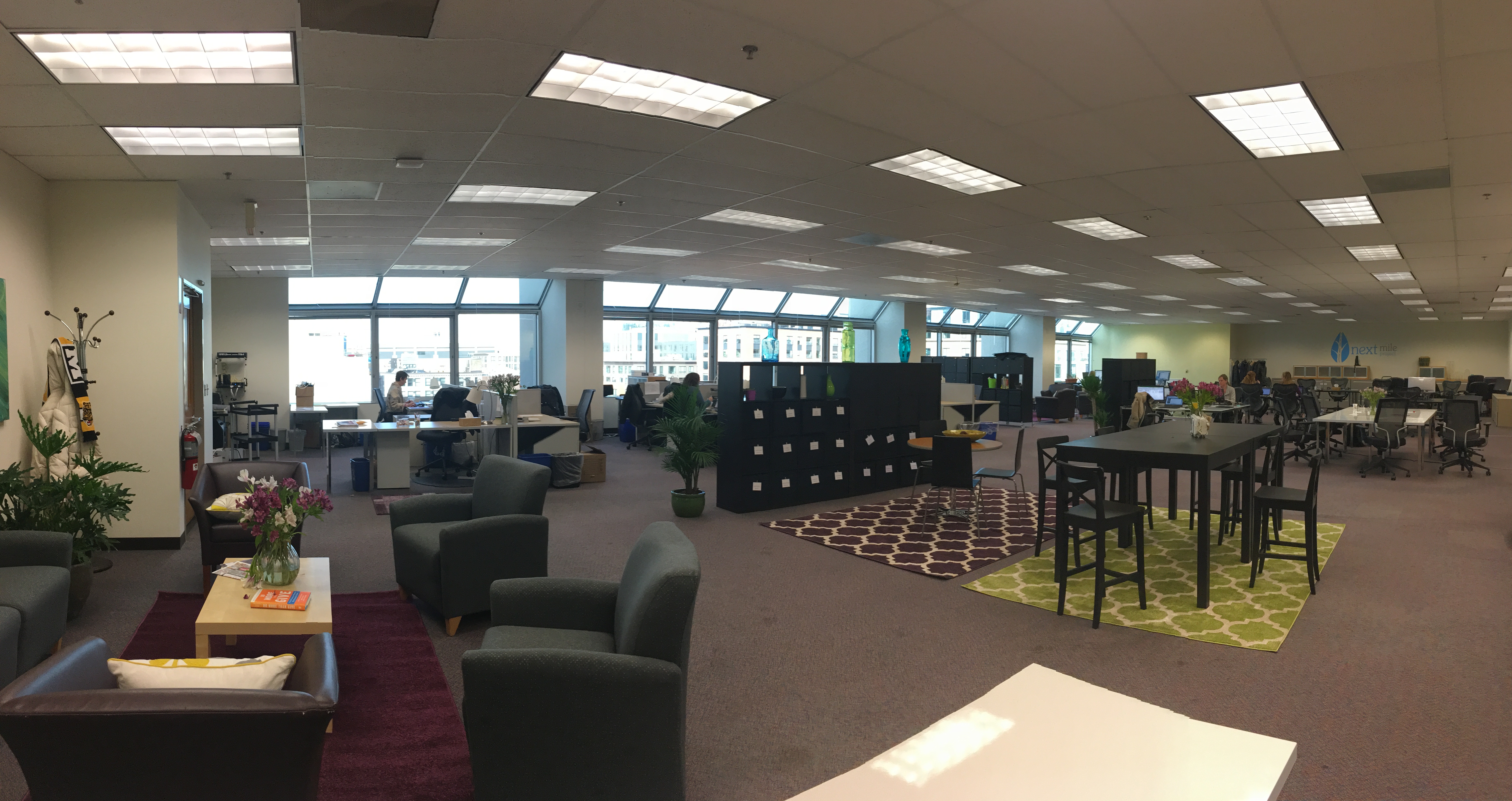
What follows are details and photos of just some of the organizations that responded to our call. If you want to share details about your office space, you can still fill out our form.
Setting the Scene
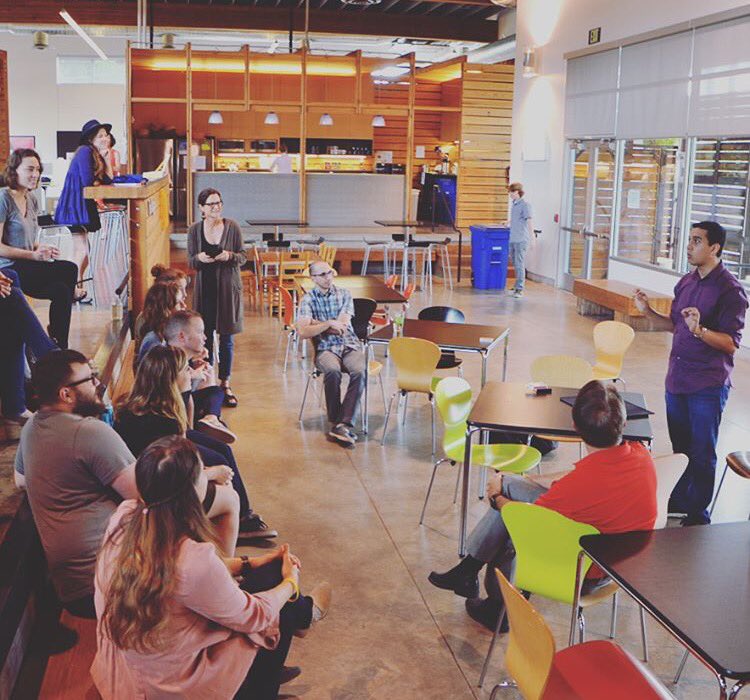
The interior design of a nonprofit’s office can reflect its values and mission.
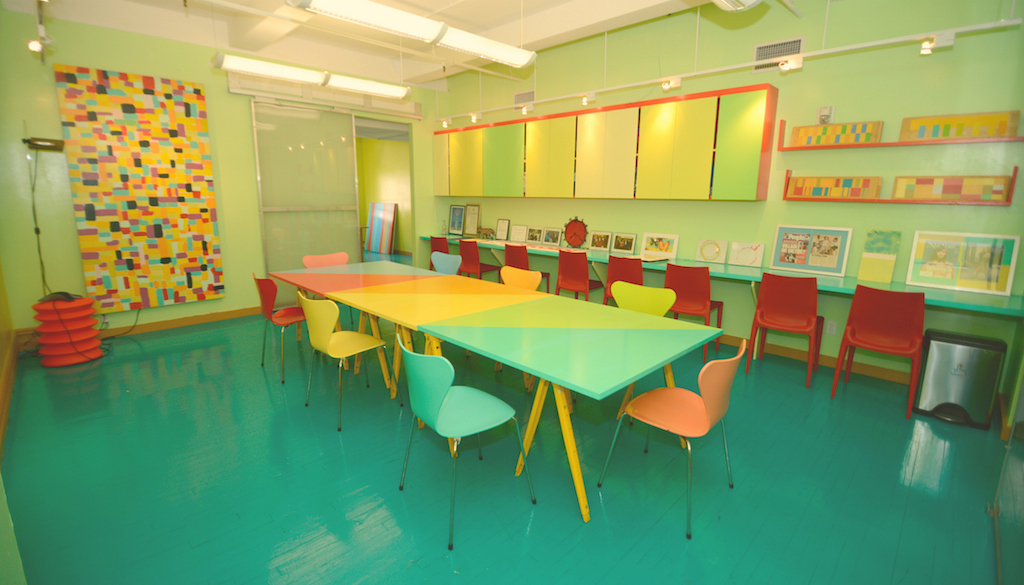
For example, the New York offices of Publicolor, a nonprofit that teaches commercial painting skills and revitalizes community buildings with bright-hued walls, is a direct reflection of its mission. All of the colors on its bold walls, floor, and furniture were selected by the group’s founder and president, Ruth Lande Shuman, who specializes in the psychological effects of color.
“The choice of warm colors keeps everyone focused & energized — even at 6 p.m.!” wrote Margaret Sullivan, vice president for institutional advancement for the nonprofit. “Carefully chosen color is a subversive weapon that encourages high productivity.”
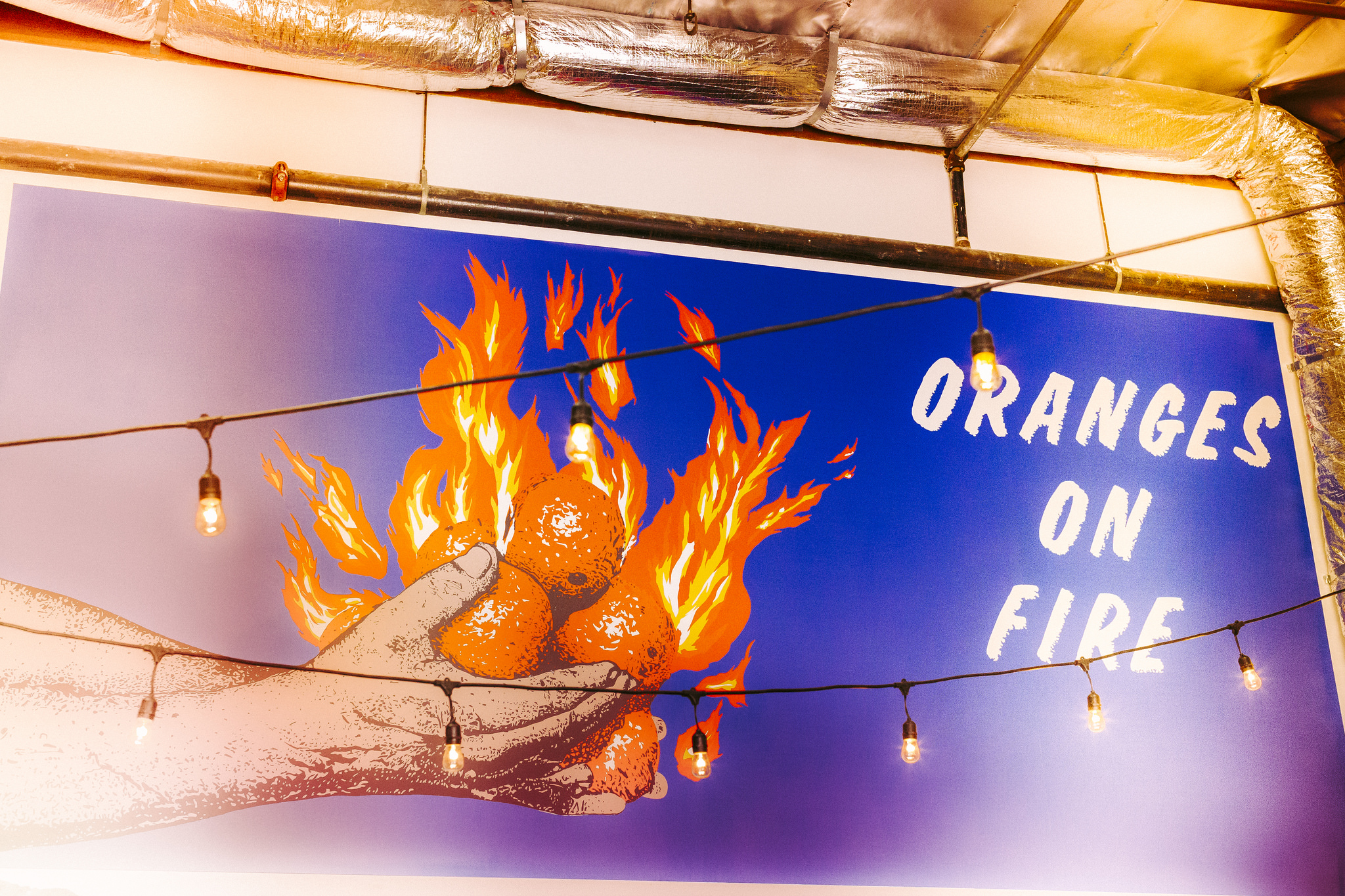
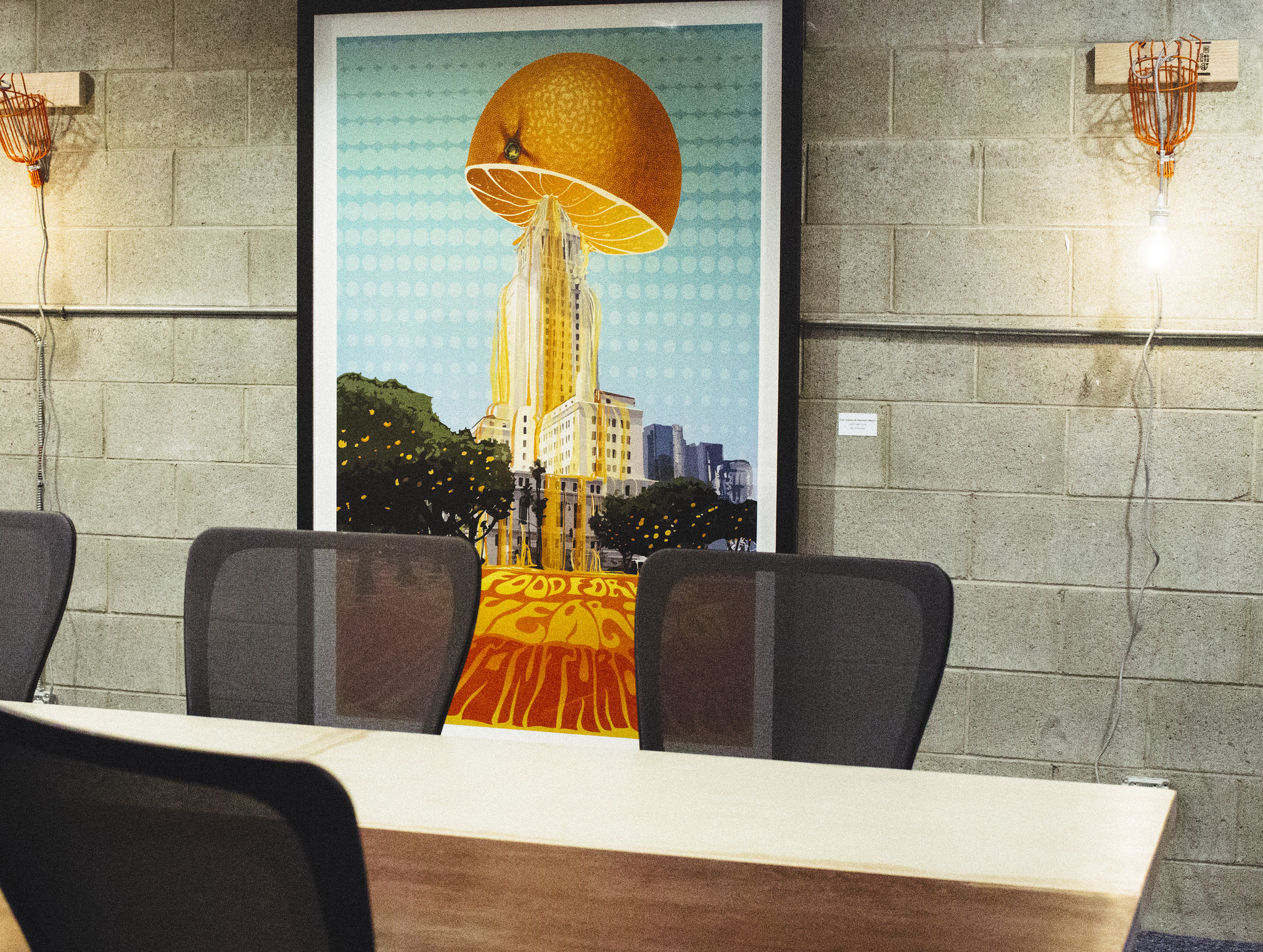
The staff of the anti-hunger group Food Forward calls the North Hollywood office the “fruit cave,” wrote Laura Jellum, the group’s outreach and communications manager. And for good reason: The office includes citrus-bright colors, artists Mike Mandel and Larry Sultan’s work “Oranges on Fire,” and agricultural tools as decorative touches to mesh with the group’s mission of harvesting and distributing food.
The walls of Woodstock Farm Sanctuary in High Falls, N.Y., are decorated with photos of animal residents and the dearly departed who have lived at the organization’s headquarters, along with paintings and drawings by visitors and volunteers at the no-kill sanctuary.
See more examples in the slideshow.


Unique Perks and Great Locations
Some people particularly liked their offices’ views and amenities.
The administrative headquarters of Rocky Mountain Conservancy, which is set up in what was once a ranger’s home at Rocky Mountain National Park, has scenic views that include its wild neighbors. Staff see elk, deer, and other animals daily out their windows. Inside, they work alongside a few fish and a small dog named Annie, writes executive director Esther Rivera Murdock.
Social activities are important at the Livestrong Foundation‘s headquarters in Austin, Tex. It hosts Thanksgiving potlucks, fundraising appreciation events, guest speakers, and more on what used to be the loading dock of its building, which was constructed originally as a paper warehouse. The side yard is used to host quarterly “Yappy Hours” for employees to bring their dogs to work.
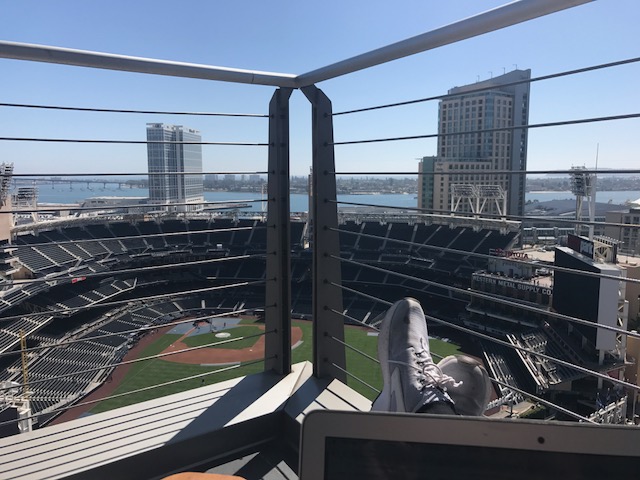
On the topic of pets: Classy, the California-based online fundraising company, allows staff to bring in their dogs any day. They also shared photos of their great outfield views of Petco Park, home of Major League Baseball’s San Diego Padres. Plus, there’s cold-brew coffee and kombucha on tap in the kitchen. It is, we should mention, a for-profit.
The San Diego Foundation wrote to us about its location in the city’s Liberty Station neighborhood. The office has a 46-acre waterfront park on one side and a 28-acre promenade on the other and is close to the Liberty Public Market, with many food and drink vendors.
We get it. It’s great to live in San Diego.
See more examples in the slideshow.
A Sense of History — and a Strange Door
Many organizations wrote about what their offices used to be.
On Site Opera in New York rents an office in a former church on the city’s Upper West Side, which also houses several arts organizations. Aside from the stained glass, it has an indoor window that overlooks the rehearsal room, “a great feature for inviting board members and donors to observe our work in action without intruding on the artistic process,” wrote executive director Piper Gunnarson.
The Boston Bar Association and its foundation reside in a historic home in the city’s Beacon Hill neighborhood. It has all of the “quirky characteristics” of old New England, director of communications Kerry Crisley wrote: a grand front entrance, a large spiral staircase, a vault in one of the meeting rooms, and a strange, round-topped door in one stairway that Ms. Crisley calls “hobbit-like.” What’s behind it? She isn’t sure.
“I’ve totally tried to open the Hobbit door,” she wrote. “Locked. Always locked.”
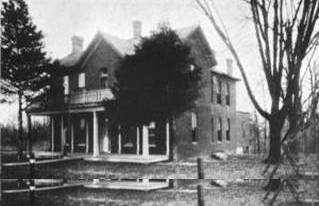
The biggest transformation we received is that of the Office of Human Concern, a social-service group in Rogers, Ark. The building began as a hotel in 1880 before being converted to a private sanitarium (the early name for a hospital), a nursing home, and then an adult development center before the nonprofit purchased it in 1980.
The former morgue is used for storage, says Stefanie Jackson, the group’s development director.



Space Tied to Mission
Sometimes an office and a mission line up perfectly.
The 33-acre Florida campus of Southeastern Guide Dogs trains dogs to serve people with visual impairments, and that means preparing them to deal with anything — including bad weather. That’s why the group’s Puppy Academy facility includes what they call “Puppy Splash Park,” which helps the dogs get used to water.
“For staff members who happen to pass by while puppies are at play, it’s an unexpected perk to see the silliness of a litter of puppies frolicking in the ‘rain,’ ” wrote Stacy Howe, vice president for marketing and communications.
Bottomless Closet, a New York charity that prepares women for work, is in a space that once served as the showroom for a high-end women’s clothing brand, which helps the group create a “boutique experience” when it provides participants with clothing for work, wrote Alison Zaccone, the nonprofit’s director of communications.
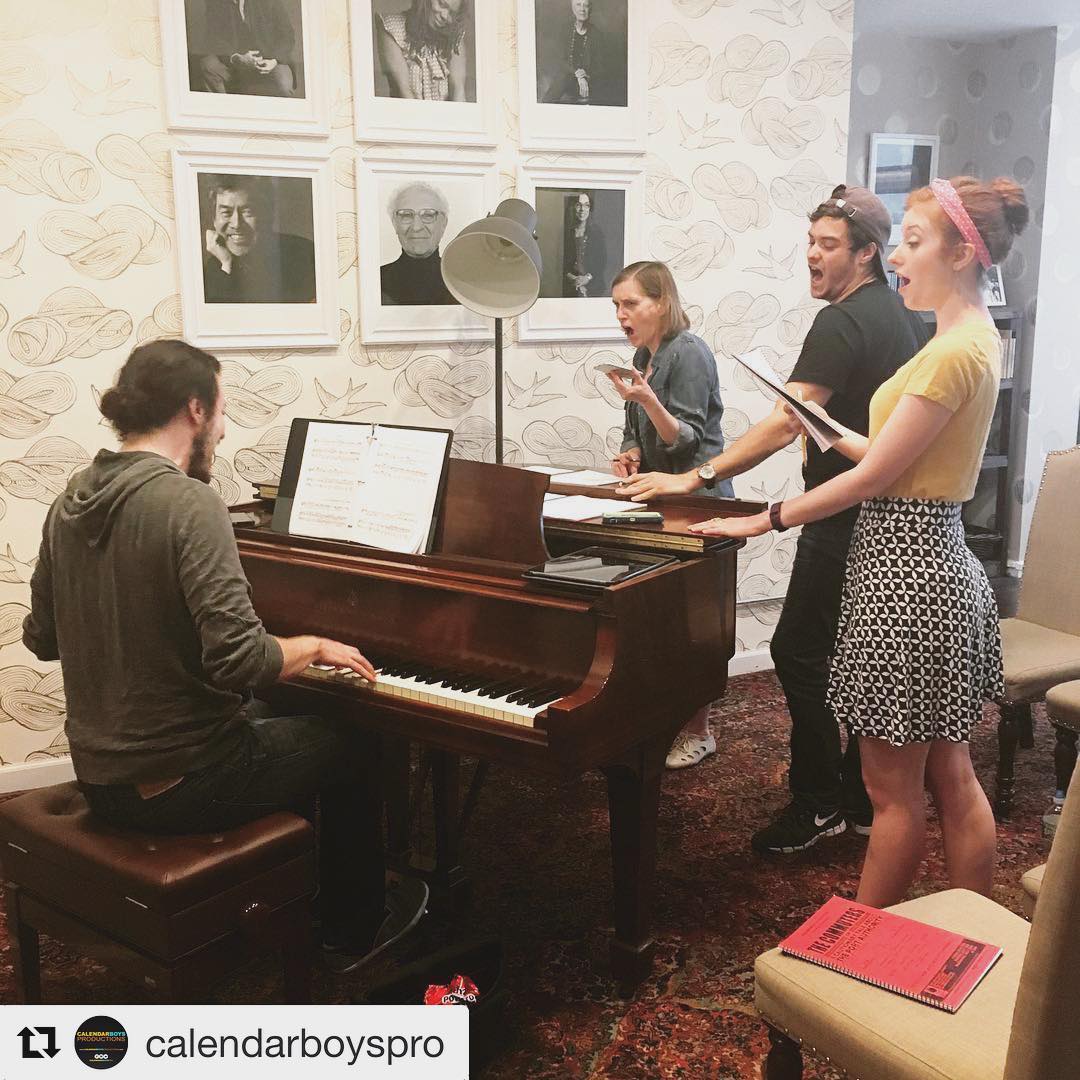
The Dramatists Guild Fund, which supports playwrights, lyricists, composers, and other theater workers, decided two years ago to convert half of its office space into a rehearsal hall with a baby grand piano. The room, which was paid for by the composer Carol Hall and the songwriting team of Lynn Ahrens and Stephen Flaherty, is available free of charge and brings a steady cast of characters into the office.
“We’re guessing employees and volunteers at other charities don’t typically mute themselves on calls because someone in the next room is belting out a tricky set of bars,” wrote Ethan Hardy, a copywriter at the organization.
But in the end, it’s always the mission that makes the biggest difference in a nonprofit office space.
“People don’t come here for the snacks or the fancy amenities,” wrote Anna Trieschmann, manager of strategic partnerships at Boston’s Social Innovation Forum, about its nonprofit co-working space. “People come here because their work is energized and improved by being surrounded by other nonprofit leaders focused on social impact.”
Though the snacks do help.



Updated May 10: This article was updated to include the name of artist Mike Mandel, who with Larry Sultan created “Oranges on Fire,” seen in the California offices of Food Forward.
Updated May 11: This article was updated to include Lynn Ahrens’s and Stephen Flaherty’s support for the construction of The Dramatists Guild Fund’s rehearsal hall.




