May 1, 2011 | Read Time: 2 minutes
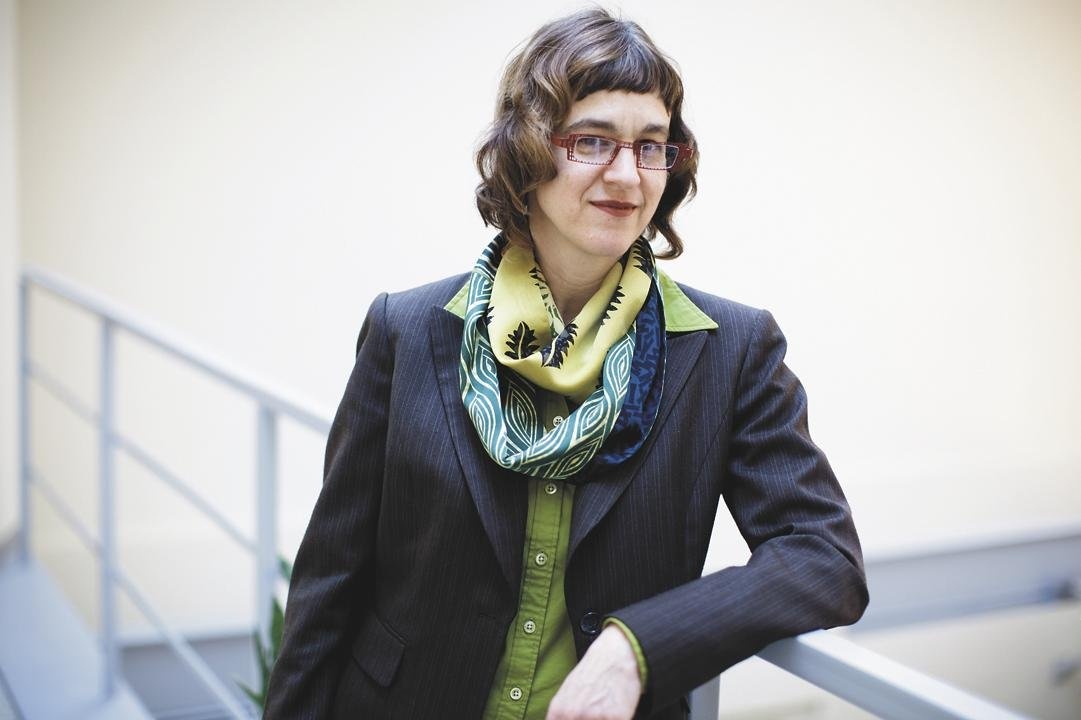
Where she’s going: Ann Beeson, 47, is leaving the Open Society Foundations, on May 1 after four years as its head of U.S. programs. She plans to move back to her home state of Texas, where she will help develop a national plan to strengthen the role of arts and culture in advancing social change.
Her next step: Ms. Beeson says that plays, photographs, and other types of art often inspire people to get involved in their communities or change the way they look at social issues, but there isn’t enough support for artists who want to foster that activism. In devising a plan to help those artists, she will be working with Opportunity Agenda, a New York nonprofit, and a project called the Culture Group, which works with arts groups nationwide.
Background: A lawyer and human-rights advocate, Ms. Beeson served as associate legal director at the American Civil Liberties Union from 2001 to 2007. She also studied ethnomusicology as part of a master’s degree in cultural anthropology, and says that her transition is “completing a circle for me.”
Salary: She declined to reveal it.
Biggest accomplishment: Starting new grant-making programs at Open Society, which is a set of funds started by the financier George Soros. Among them: ones to increase government transparency and support journalism; strengthen the advocacy efforts of Muslim, South Asian, and Arab organizations; and advance achievement for black men and boys. Ms. Beeson said she expects those and other programs started during her tenure will continue. The fund will also continue to focus more on aiding groups at the state and local levels, she said.
Biggest frustration about philanthropy: The slowness and bureaucracy. “The Internet and other technological advances have made it so easy for people to become engaged outside of formal organizational structures, yet philanthropy is used to supporting activism through formal organizations,” she says. She argues that foundations ought to set aside smaller supplies of money that can be quickly deployed to activists as opportunities arise.