Leader of Health-Care Charity Among MacArthur ‘Genius’ Grant Winners

By Doug Donovan
Contributor
September 25, 2013 | Read Time: 3 minutes
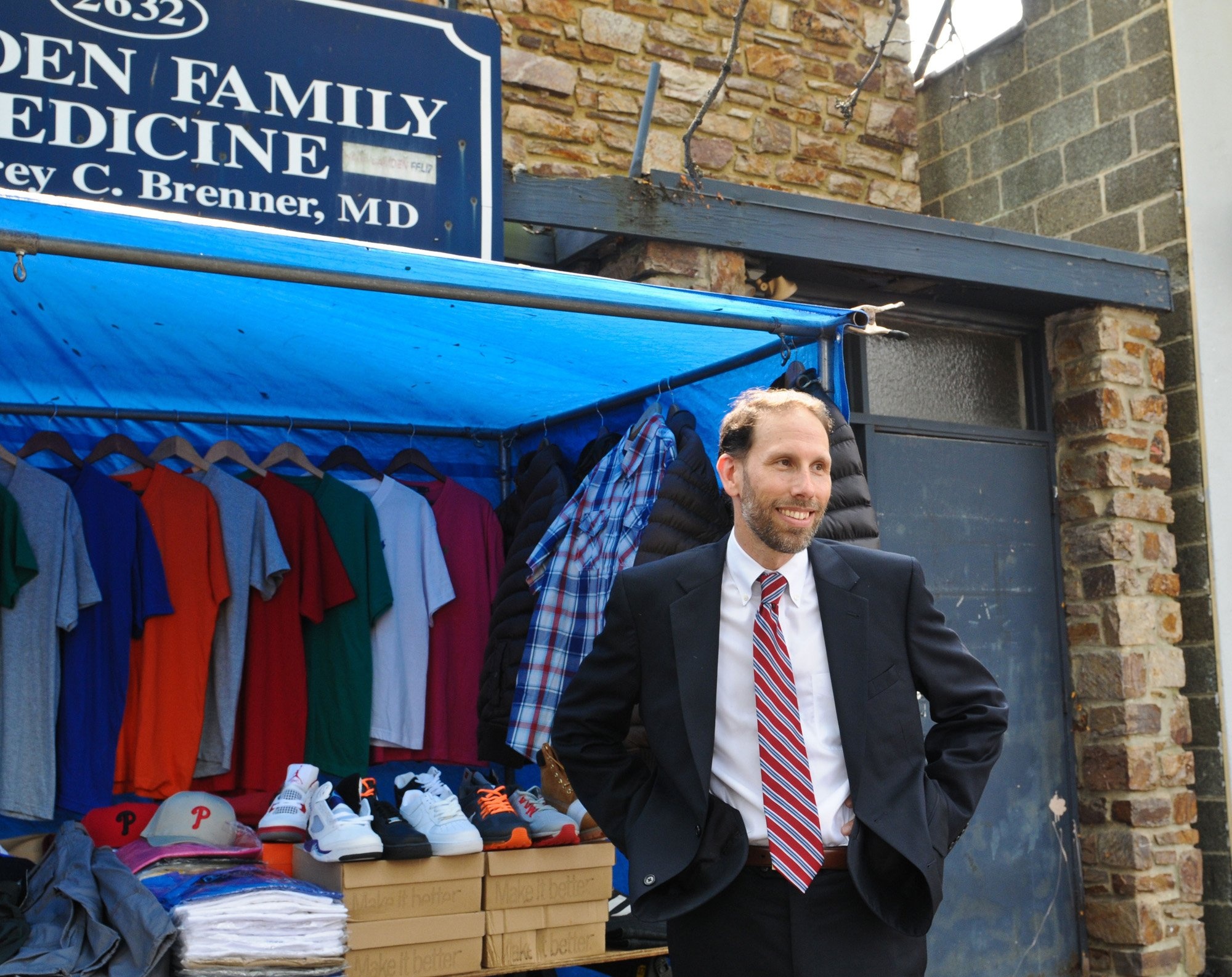
Jeffrey Brenner, a physician and founder of a nonprofit that is working to reduce repeat emergency-room visits in Camden, N.J., and elsewhere, today received one of 24 “genius” grants awarded by the John D. And Catherine T. MacArthur Foundation.
Dr. Brenner and the other fellowship winners will each receive a five-year, $625,000 no-strings-attached stipend an increase from the $500,000 the foundation previously provided.
• Margaret Stock, 51, an Anchorage, Alaska, a lawyer who has helped craft federal policy to recruit foreigners into the U.S. military and expedite their citizenship process.
• Carrie Mae Weems, 60, a Syracuse, N.Y., photographer documenting the African-American struggle for equality.
• David Lobell, 34, a Stanford University professor who has been investigating the impact of climate change on crop production.
They join the 873 other fellows since the program began in 1981.
Dr. Brenner, 44, started his nonprofit, the Camden Coalition of Healthcare Providers, nearly 12 years ago to try to change how doctors and hospitals treat chronically sick patients who rely on repeat—and costly—visits to emergency rooms for their care.
The coalition built a database of information on people who seek treatment at all of the city’s hospitals, showing that 1 percent of patients were responsible for 30 percent of hospitalization costs in Camden.
Bedside Visit
One of the coalition’s projects, the Health Information Exchange, produces a daily list of everyone admitted to the city’s hospitals, including information on previous visits. Patients identified as among that 1 percent of frequent emergency-room visitors get special attention from a team of health-care workers, which arrives at the patient’s bedside, enrolls him or her in the program, and helps the patient manage their prescriptions and doctor appointments the for 90 days. Even primary-care doctors of those patients are now alerted when they are admitted to a hospital.
Patients are more likely to sign up to agree to the team’s help as they sit in a hospital bed after being presented with the details of their frequent hospital visits.
“It’s a scary place to be, especially if you’ve been there five times in the last month,” said Dr. Brenner. “It’s become a very powerful tool.”
The coalition’s efforts are beginning to reduce repeat emergency-room visits and hospitalizations and are lowering health-care costs in Camden, according to the MacArthur foundation.
With the help of $2.7-million in foundation and government grants in 2012, the coalition is helping 10 other cities duplicate the system. Six of those communities are part of a program financed by the Robert Wood Johnson Foundation, which, along with and the Nicholson Foundation, provided most of the start-up support for Dr. Brenner’s work.
Both foundations, he said, were instrumental in providing grants to build the infrastructure. For example, they paid for a full-time health-care lawyer to formalize relationships among hospitals, clinics, physicians, and other health-care providers and to build the Health Information Exchange
Such a database hasn’t been built, he said, “because the current system makes money from admitting you to the hospital, not from keeping you out.”
Overhauling the System
Dr. Brenner says he thinks the best way to fix what’s wrong with the nation’s health-care system is for more cities to adopt a local and regional approach like his that builds reliable systems of data that can be shared throughout an area’s health-care systems and builds a group of health-care workers who are well trained to help the most vulnerable.
He says the MacArthur award will help get attention for a local approach that has taken a dozen years to begin to make inroads in changing the health system, he said.
“Just when you have no more energy left and you can’t go one step forward, this a vote of confidence that we’re on the right track,” Dr. Brenner said. “It’s a significant wind in our sails.”