March 12, 2013 | Read Time: 3 minutes
Austin, Tex.
The Livestrong Foundation works to help people with cancer survive the disease.
And as Livestrong attempts to survive after the revelation that its founder, Lance Armstrong, had used performance-enhancing drugs to fuel his seven Tour de France titles, it has leaned heavily on its mission of helping people battle a deadly disease—making it a central piece of its communications strategy.
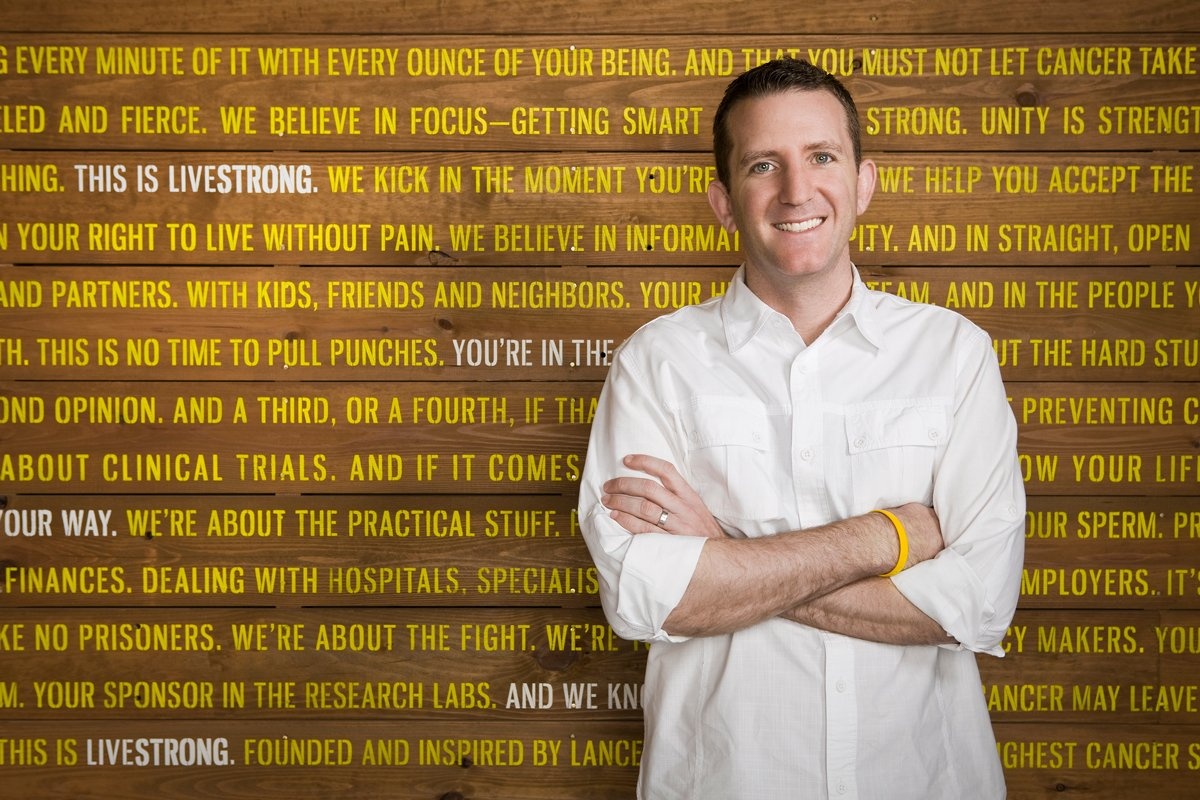
“We decided we were going to frame the message around our own mission,” Doug Ulman, the charity’s chief executive, said Monday during a presentation at the SXSW Interactive Festival in Austin, Tex.
Mr. Ulman, a three-time cancer survivor whom Mr. Armstrong recruited to join the organization in 1997, sprinkled references to survival throughout his speech and said the nonprofit wants to make sure people know about its achievements, not just its ubiquitous yellow bracelets and other marketing materials.
“The challenge has been that as the [Livestrong] brand grew, the brand became so much bigger than the organization,” Mr. Ulman said. “A lot of people know the brand but don’t know what it does.”
‘Fight With Us’
The charity started trying to change that situation the night Mr. Armstrong made his admission during a televised interview with Oprah Winfrey.
As the interview aired, the charity released a public statement saying that the organization was about the people it serves—not the person who created it.
It followed up that message the next day with a posting on its Facebook page.
“Livestrong isn’t about one person,” the statement read. “It’s about the millions of people facing cancer who need support as they fight the toughest battles of their lives.”
The group has also worked with Nike—the athletic-equipment company that had sponsored Mr. Armstrong and had focused much of its marketing support for the charity on the cyclist—to develop a new campaign that features cancer survivors with the tagline “Fight With Us.”
Spending on Programs
As Livestrong worked to burnish its marketing messages, its leaders have also decided not to run from the scandal—or from its past, Mr. Ulman says.
While Mr. Armstrong is no longer officially associated with the organization, his name is visible throughout its office, which is adorned with artwork collected by the cyclist and mementos from his cycling career.
The charity has also accepted the cyclist’s apology to Livestrong’s 105 employees, Mr. Ulman says.
And while Livestrong has recently reintroduced a new logo, it has no plans to change its name or to abandon its use of yellow as its central color.
“We’re not going to retreat,” Mr. Ulman said. “We’re going to spend more on programs this year than any year in our history.”
But, he adds, the group still has a long way to go to rebuild the trust of supporters and the public.
“We are still in the middle of this, and the hard part is you don’t know how long it’s going to last,” Mr. Ulman says. “It’s going to be challenging for the next few months—maybe for the next year or two.”