

October 16, 2011 | Read Time: 1 minute
Behind the approach: Many foundations reduced their giving as the stock market’s decline sliced the size of their endowments. Now charities are seeking other types of financial help.
What’s working: The Conservation Fund (No. 310) approached some of its longtime grant makers and asked them for low-interest loans so it could purchase land that it wants to protect from development.
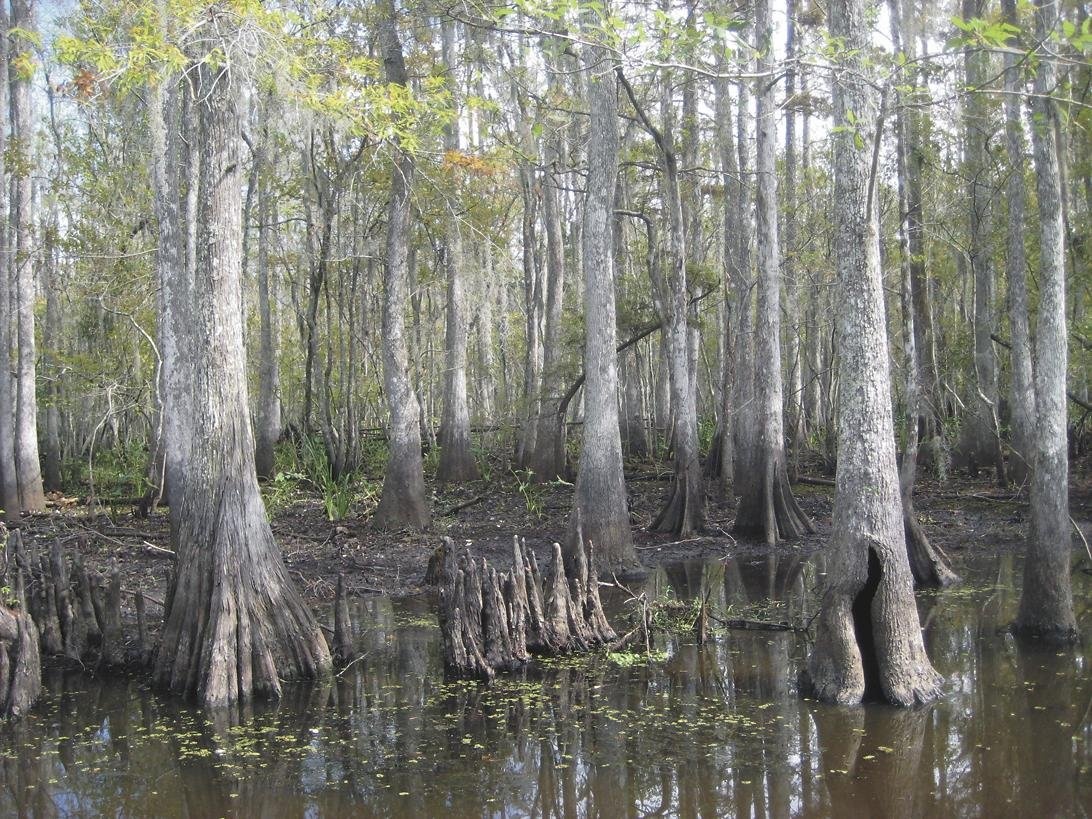
Results: The Conservation Fund has obtained six loans so far this year from foundations that previously made grants. The largest loan is $6.5-million, at 2 percent interest, from the McKnight Foundation. The money will help the charity buy 29,000 acres of wetlands bordering the Mississippi River in Louisiana. The charity will eventually sell the land to the state, which in turn will make it a state park. The Conservation Fund will use the proceeds to buy a piece of property in Wisconsin also earmarked for a state park, and money from the later sale of that property will repay the McKnight Foundation.
Key lessons: “A grant is always preferred, but if they cannot make a grant, this is a way for us to continue our work,” says Alisa Borland, the Conservation Fund’s director of fund raising. The Conservation Fund could not afford to use loans for every project, she says, because unlike grants, they don’t support the fund’s staff and administrative costs. But loans are a short-term solution, and several foundations say they like the approach as a way to help fulfill the grant maker’s charitable mission, says Ms. Borland. Moreover, many foundation officials view the loans as a relatively safe investment at a time when the stock market has been very volatile.
| Explore the Philanthropy 400 | |||
Full List  |
Map | More Coverage | |




