

March 18, 2012 | Read Time: 2 minutes
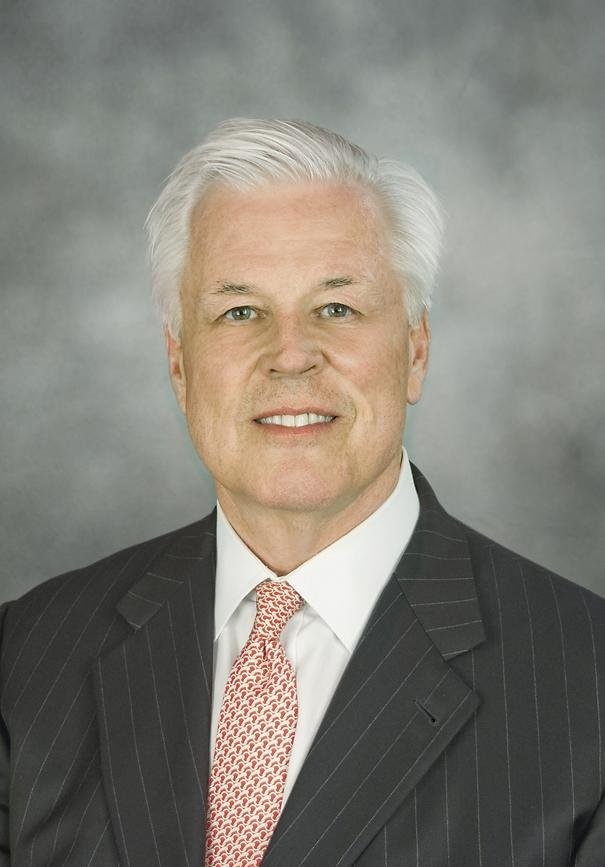
Where he’s going: Charles D. Connor, 61, steps down in June as chief executive of the American Lung Association, where he has worked for the past four years, beginning as its chief operating officer. He’ll take time some time for golf, but says he will be looking for his “next challenge.”
Biggest accomplishments: During the recession, he reduced the charity’s dependence on direct-mail solicitations, which were flagging, and increased donations from corporations and foundations. The group’s headquarters raised $11.9-million in private donations last year, he says, and this year the group is expected to bring in more than $10-million from such sources, compared with $2-million when he arrived.
Other noteworthy steps: The charity played an influential role in the successful push that led Congress in 2009 to empower the Food and Drug Administration to regulate the tobacco industry. “That was an enormous accomplishment that has taken us decades,” Mr. Connor says.
Challenges: “It has been difficult to bring in the resources that our whole organization needs to do its work” during the recession, Mr. Connor says. The need to manage dwindling resources resulted in the closing of some chapters, the merging of others, and the trimming of staff, though he was also able to add new fundraising, marketing, and communications specialists to the organization. “We all have had to tighten the ship,” he says.
Career highlights: Mr. Connor, who is also a lawyer, retired as a captain after 26 years in the U.S. Navy, which included a stint as communications adviser to the Secretary of the Navy. As the leader of a nonprofit organization, he says, “You are under the same pressure and stress as in the military to show results, and sometimes lives are at stake. You never have enough time and resources, but you have to get the job done anyway.”
A crisis manager: He helped oversee the Navy leadership’s public response to the 1991 Tailhook sexual-harassment scandal. Before joining the lung association, he served for five years as the senior vice president of communications and marketing at the American Red Cross. His experiences there during Hurricane Katrina and in other tough times have led him to be always on watch. “You have to be alert to anything that could become a crisis,” he says. His staff monitors all incoming e-mails and the Internet very closely.
Salary: $335,000





