
MacArthur Foundation Seeks ‘New Kind’ of Leader to Tackle Bigger Goals, Faster

By SUZANNE PERRY
Contributor
April 30, 2014 | Read Time: 2 minutes
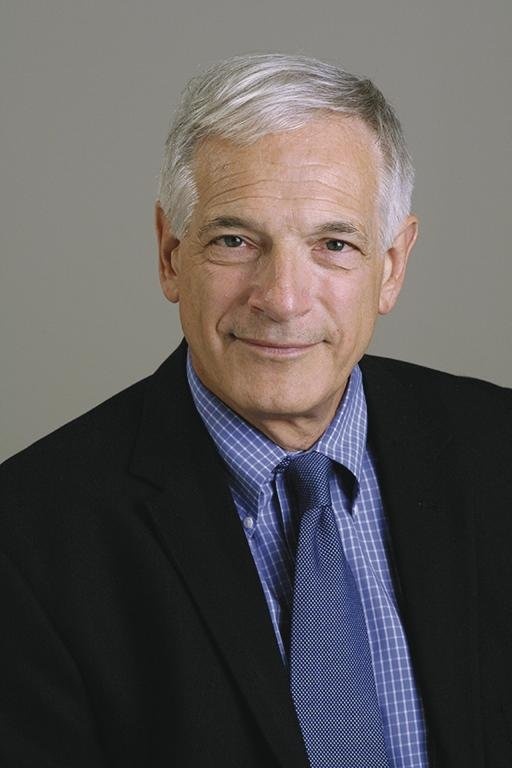
The John D. and Catherine T. MacArthur Foundation has joined a growing roster of wealthy grant makers that have switched leaders recently, after announcing that its president, Robert Gallucci, will leave July 1 at the end of a five-year term.
“The board decided to look for a new kind of leadership to accelerate the pace of change in how MacArthur can use existing and new tools to tackle even bigger goals,” the board chairman, Marjorie Scardino, said in a statement.
MacArthur, one of the country’s biggest philanthropies with about $6-billion in assets, follows the Ford Foundation, the Bill & Melinda Gates Foundation, the Heinz Endowments, and the W.K. Kellogg Foundation, which have all appointed new heads in the past year, and the Gordon and Betty Moore Foundation, which is searching for one following the abrupt resignation of its president in February.
Mr. Gallucci, who declined through a spokesman to be interviewed, joined MacArthur in 2009 after serving for 13 years as dean of Georgetown University’s School of Foreign Service. During his tenure, the foundation stepped up its work on nuclear security, a special interest of Mr. Gallucci’s from his days as a State Department negotiator.
It also started a new program to strengthen American democracy, awarding grants to projects aimed at removing voting restrictions and exposing the influence of money on politics.
Mr. Gallucci has often decried the country’s polarized political environment. He declared in a Chronicle opinion piece that “America’s democracy is in trouble” and has urged philanthropy to do more to help.
Ellen Alberding, president of the Joyce Foundation, a smaller grant maker that also works on democracy issues, says both MacArthur and the William and Flora Hewlett Foundation have “breathed some serious new life into the whole program area.”
Jane Wales, vice president for philanthropy and society at the Aspen Institute and a longtime associate of Mr. Gallucci’s, praised his leadership of another MacArthur effort, a project in which it works with other donors, including the MasterCard Foundation, to increase access to secondary education for young people in developing countries. She said the way the groups work together to select grantees and evaluate the impact of programs offers a “real model of collaboration that’s of great interest to the field more broadly.”
Ms. Scardino’s statement said Mr. Gallucci had changed “the foundation’s culture and practices,” for example, by strengthening its efforts to evaluate the impact of all of its programs. But it made it clear the board now wants a different type of leader.
Andrew Solomon, a MacArthur spokesman, said Ms. Scardino was not available for an interview and declined to comment on any new direction the board might take.
MacArthur works in areas including human rights, global conservation, and the impact of technology but is best known for its “genius grants” to MacArthur Fellows.
Julia Stasch, MacArthur’s vice president for U.S. programs, will serve as interim president while the foundation searches for a replacement.




