Market Turmoil Calls for Reviewing Fundraising Strategy, Experts Say

By Eden Stiffman
Senior Editor
June 28, 2016 | Read Time: 3 minutes
Charities should review their fundraising strategies and plan for a potential revenue hit in the wake of Britain’s vote to leave the European Union, experts said.
“Now is probably not the time to be raising endowment money, because of uncertainty in the stock market,” said Charlie Michaud, a fundraising consultant. “Make sure you’re seen as current. If you’re getting ready to launch a campaign publicly with a big gala in London, now might not be the time.”
Charities should also be more flexible about payment schedules during such times, he said. Donors who normally would pay a commitment over five years may need more time. Or perhaps they’ll want to speed up their timeline because they’ve got the funds now but they’re feeling uncertain about the future.
Financial markets are a key predictor of household giving and foundation grant making, so any sustained changes could have an adverse effect, said Patrick Rooney, associate dean for academic affairs and research at Indiana University’s Lilly Family School of Philanthropy. But market turbulence following the Brexit decision last week will likely have a small negative effect on U.S. charities, he said.
“Our research shows that the day-to-day volatility in the stock market tends not have an impact on household giving but that the changes in year-end stock-market values are a pretty good predictor,” Mr. Rooney said.
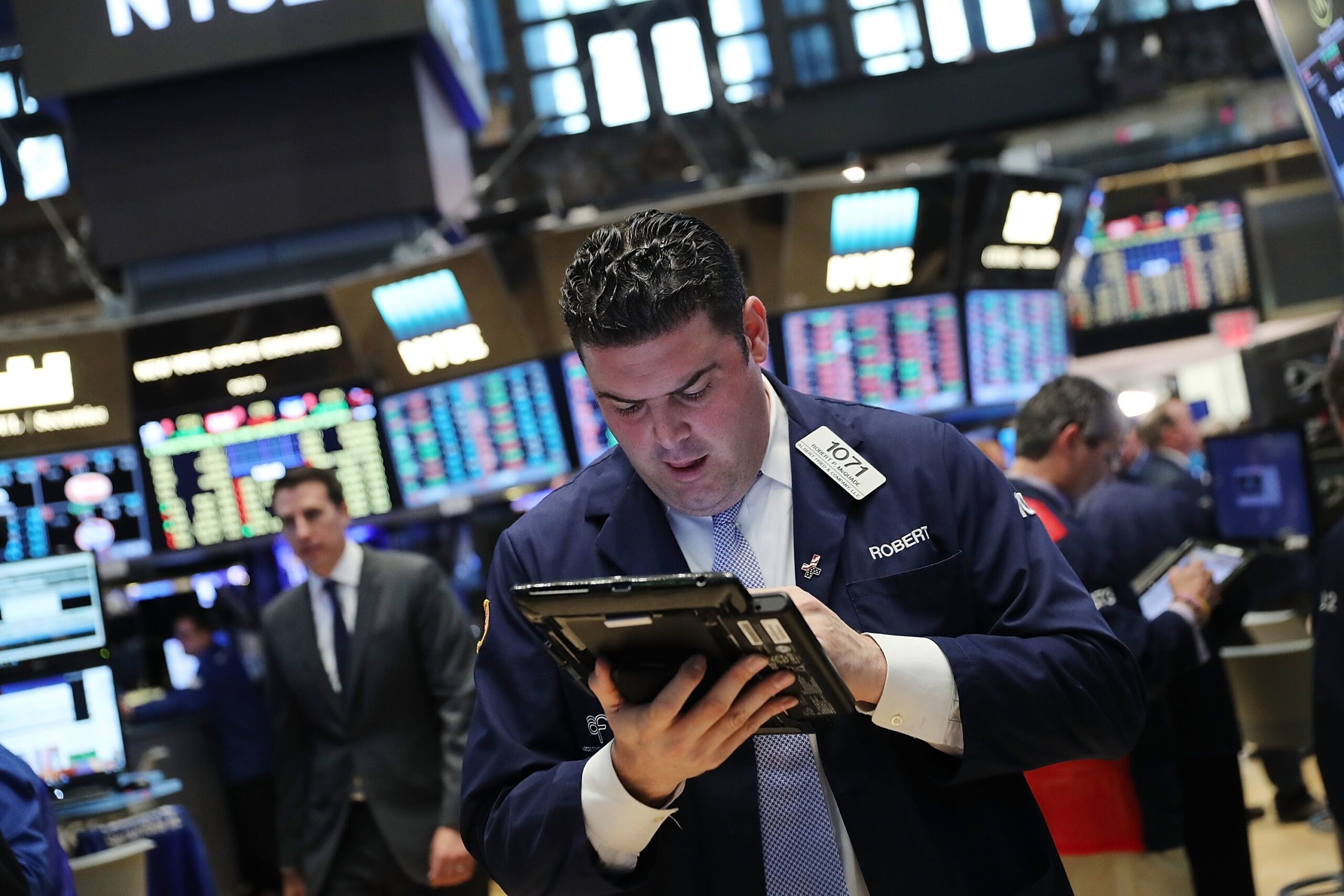
The pound reached a low not seen since 2009, and global markets tanked following last week’s vote, although U.S. stocks rebounded a bit on Tuesday.
Source of Wealth
It’s too soon to know how the unprecedented vote will play out, but experts advise charities to review communications strategies and focus on staying close with existing donors and prospects.
“Spend time thinking about the type of wealth your donors have,” said fundraising consultant Bruce Flessner, who advises universities and other institutions on ways to raise big gifts. Donors with money in the banking sector, for example, may be more reluctant to make big commitments at the moment, he said.
The biggest mistake fundraisers can make at this moment: not asking at all. Charities that stop communicating with donors and prospective donors and wait until the environment improves risk losing their support. “Don’t get too worried about this,” said Mr. Rooney. “Keep going forward and don’t give up prematurely on plans.”
Atlas of Giving’s June fundraising forecast report, published just after the Brexit vote — too soon to reflect fallout from the vote — projected a 2.4 percent increase in giving this year over 2015. Next month’s forecast will reflect the Brexit event, and Rob Mitchell, the group’s CEO, is pessimistic.
“This is going to assure that United States giving will decline this year from last year’s numbers,” he said.
Mr. Mitchell urges charities to be cautious. “Downsizing expectations on what they’ll receive during the year is definitely called for,” he said. “Readjusting charitable income budgets by 3 to 5 percent is a pretty conservative move at this point.”
Election-Year Worries
Some charities began the year concerned about stock-market volatility, and many are also worried that the presidential election might divert donations from charities to candidates. Experts say that’s generally not the case, as political donors tend to have different motivations.
A recent study suggests that donors to political campaigns do not cut back on charitable giving. Rather, political donors over all give more to charity than nonpolitical donors.
Still, in a year when voters are weighing two unpopular candidates with very different views of how the economy should be managed, some donors may wait to give. “This is not because major gifts are being diverted,” said Mr. Mitchell. “It’s more a case of people sitting on the sidelines, waiting to see what will happen.”