Mass. May Soon Ban Pay for Trustees of Nonprofit Groups

By Lisa Chiu
Contributor
June 26, 2011 | Read Time: 5 minutes
The Nellie Mae Education Foundation, in Quincy, Mass., pays each of its 15 board members $19,000 to $32,000 apiece every year for their work.
But such payments could soon become illegal in Massachusetts, which is on the verge of passing the first state ban on payments to trustees of all nonprofit organizations.
Many experts say they believe that the Massachusetts ban could soon spread elsewhere, a move that could affect grant makers and nonprofits nationwide.
Most of the 22,000 nonprofit organizations in Massachusetts don’t pay their board members, but some of the wealthiest grant makers in the state do, among them: the Cedar Tree Foundation, the Hyams Foundation, the Amelia Peabody Foundation, and the Yawkey Foundations.
Nicholas C. Donohue, chief executive of the Nellie Mae Foundation, worries that the ban on payments would diminish his organization’s ability to find qualified people to serve on its board.
“I’m sure we could attract some good people to do good work for us [without pay],” he says, “but when you can attach compensation to something, you can get even more.”
‘Abusing the Process’
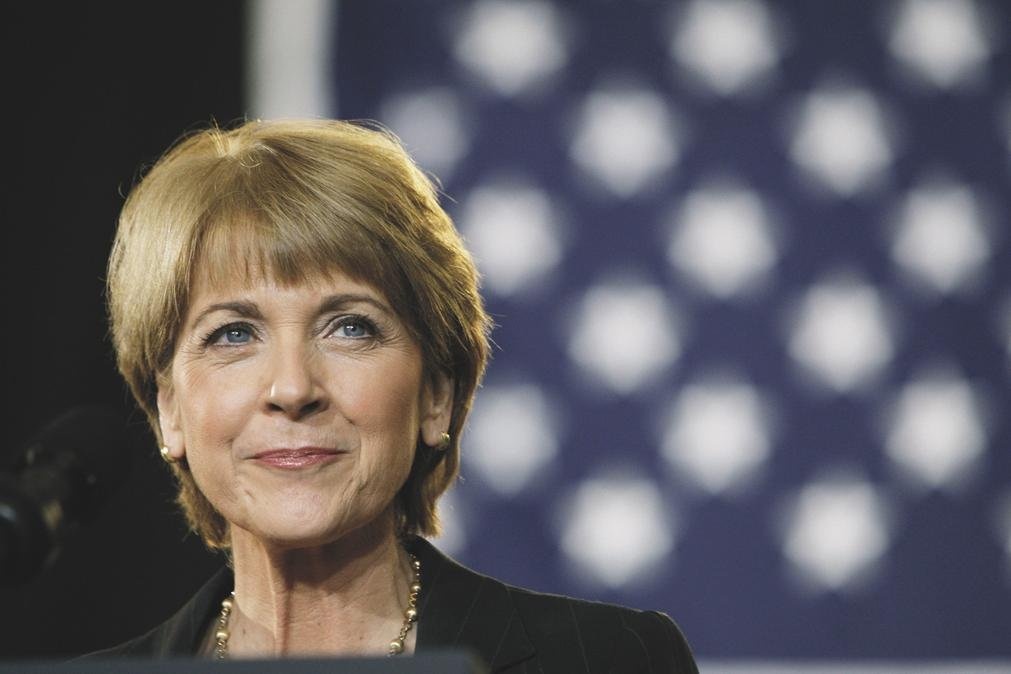
The Massachusetts legislation stems from a high-profile crusade by Martha Coakley, the state’s attorney general, against nonprofit health insurers after a review by her office found that four such groups were paying tens of thousands of dollars to their trustees annually.
In the process of taking aim against the big-money insurers, the attorney general and lawmakers also saw an opportunity to prohibit board pay at all of the state’s nonprofits.
The Senate passed such a prohibition in May, and the measure is now attached to a budget bill being negotiated by the Massachusetts House and Senate.
If the measure doesn’t get knocked out of the final version of the legislation, the ban could take effect as early as July 1.
The vote on the Massachusetts ban “probably caught a lot of people off-guard,” says Gregory B. Lam, of Kansas City, Mo., a lawyer who represents nonprofits. “But if one state does it, certainly other states will look closely at what Massachusetts has done and be more likely to follow suit.”
While it was the health insurers who prompted state officials to act, some legislators say they have always wanted to take action against foundation payments to trustees.
“Long before HMO’s became the poster children, this was about family foundations that were abusing the process. There are some foundations that have the tradition of paying board members who do nothing; they just sit on it for prestige,” says state Sen. Mark Montigny, who sponsored the legislation. “The vast majority [of nonprofits] were doing the right thing. It will absolutely expose the minority of abusive charities that include family foundations, nonprofit HMO’s, and an array of different nonprofits. When you qualify for the enormous tax benefits and other benefits, you are under the oversight of the Massachusetts public-charities division; you have to conform to the rules.”
Many of the organizations that represent boards and foundations don’t take an official view on whether to pay board members.
The Council on Foundations, a Washington association that represents grant makers nationwide, says it is more concerned about making sure that if grant makers do pay their trustees, they don’t pay too much in relation to the philanthropy’s assets and the board members’ duties.
Going Too Far
Deborah Davidson, an official at BoardSource, a Washington nonprofit group that works to improve nonprofit governance, says she is concerned that the legislation went too far by covering all nonprofits, given that it was just the payments to board members at nonprofit healthinsurers that prompted criticism.
“It seems very broad, like swatting a fly with a hammer,” Ms. Davidson says.
But what worries Ms. Davidson more is that the idea of banning payments will spread.
“I’m afraid that other ambitious attorneys general may take that up and all of a sudden be in a place they may not really belong. Who wants Martha Coakley down your throat?”
Mr. Montigny says the broad nature of the bill was intentional.
“You can’t legislate just because of a couple of bad apples,” he says. “We can’t pick and choose who is good or bad, and that’s why you legislate broadly and let regulators like the attorney general’s office, which is very reasonable, have the ability to scrutinize.”
Other supporters say it will curtail a practice that runs counter to the idea that nonprofits and foundations are created primarily to serve the needy. Many nonprofit leaders say they would like to see foundations give more to charity instead of paying their trustees.
“There are thousands, millions of people serving as volunteers on non-grant-making nonprofit boards across the country, and every one is expected to put in real time and not be compensated for service,” says Aaron Dorfman, executive director of the National Committee for Responsive Philanthropy, a foundation watchdog in Washington. “Why should we have a different standard for grant-making nonprofits? The money could be better used in ways that more directly serve the charitable mission of the foundation.”
Exemptions May Be Rare
Ms. Coakley conducted a review of large nonprofit hospitals, museums, colleges, and insurers in the state before suggesting that lawmakers pass a ban on trustee payments.
Her study of compensation in 2008 did not include foundations. But of all the other nonprofits included, only four made payments, all of them health insurers.
They were Blue Cross Blue Shield of Massachusetts, Fallon Community Health Plan, Harvard Pilgrim Health Care, and Tufts Health Plan—and they pay their boards amounts ranging from $97,500 per organization to $748,669.
As a result of Ms. Coakley’s report, Fallon and Blue Cross Blue Shield say they have discontinued the practice, but Harvard Pilgrim and Tufts said they would continue to offer trustees compensation.
Like other nonprofits covered by the legislation, those groups would be allowed to seek an exception to the ban from the attorney general’s office.
But if Ms. Coakley’s office is influenced by some state lawmakers, exemptions could be very hard to come by.
“I’ve yet to hear a good argument from most of the charities or foundations that director pay is necessary,” says Mr. Montigny. “If you want to run Aetna, you run Aetna, you don’t run Blue Cross Blue Shield, or you convert into a private company. If you are a financial adviser at Merrill Lynch and you want to be the CFO of a charity, then you have chosen public service and you don’t compete with the private sector.”