New Johns Hopkins Center to End Blindness the Result of a Donor’s Personal Mission

By Marilyn Dickey
Senior Editor, Copy
November 5, 2021 | Read Time: 3 minutes
A donor’s steadfast, lifelong mission took another step forward last month when Johns Hopkins University announced the creation of a center to end blindness.
Instead of supporting established scientists with decades of work behind them, the Sanford and Susan Greenberg Center to End Blindness, which has raised $50 million so far, will fund researchers in their 20 and 30s.
Sanford “Sandy” Greenberg, a businessman, investor, and inventor, is excited about the potential of young scientists, who have a “tabula rasa.” He believes they will be the ones to finally end blindness.
“They’re a different generation and will have a different perspective,” says Greenberg. “They’re at an age when their imaginations are most likely burning with new solutions.”
The center, which is halfway to its $100 million goal and is part of the university’s Wilmer Eye Institute, will create four rising professorships and provide for salaries and many expenses related to their research for seven years. Among the donors are Allan Holt, a senior partner and managing director of the Carlyle Group, and his wife, Shelley.
“These dollars are to free the imagination,” Greenberg explains.
Success in Life
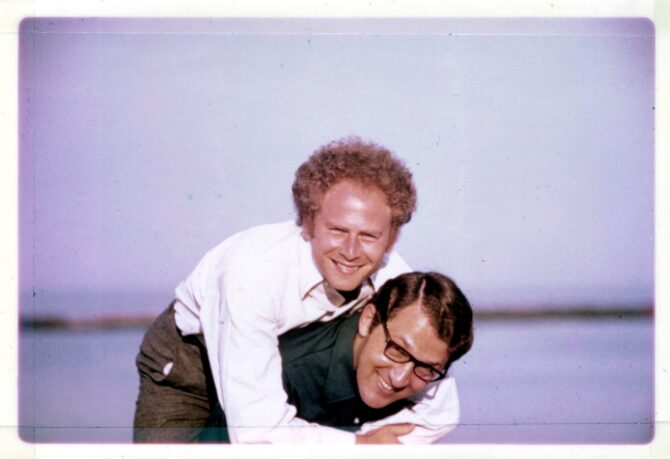
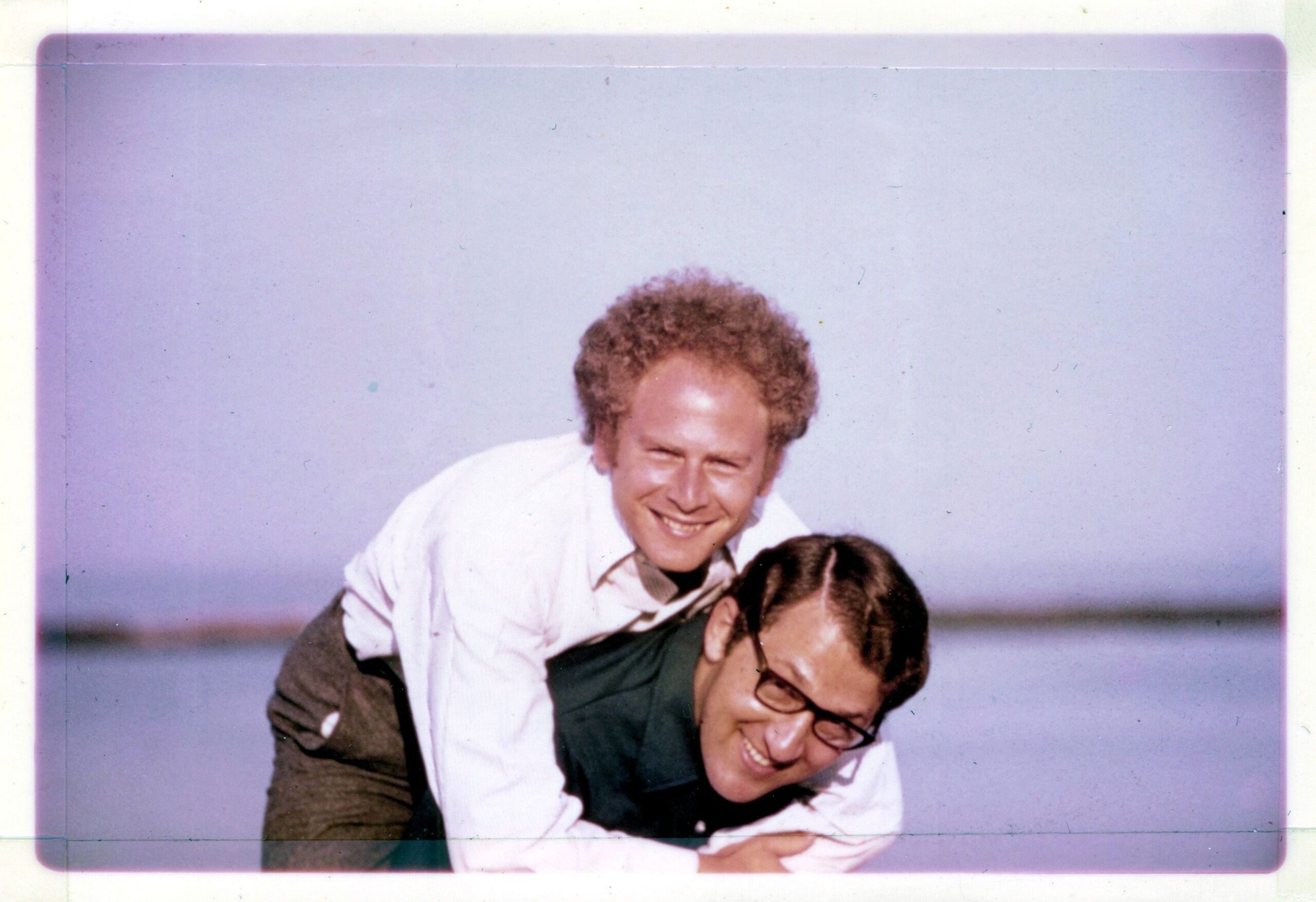
Greenberg lost his sight while a student at Columbia University due in part to a misdiagnosis. An ardent student with a keen appetite for the arts and literature and all that New York City had to offer, Greenberg felt the promise of a fulfilling life suddenly vanish along with his eyesight. It was Art Garfunkel, then his college roommate who would go on to become half of the musical duo Simon and Garfunkel, who persuaded him to continue at Columbia and who helped him find his way — both literally and figuratively.
Greenberg graduated on time, with honors, got a Marshall Scholarship to Oxford University, earned a Ph.D. at Harvard and an MBA at Columbia, and received a White House fellowship. He married his hometown sweetheart, had children, and succeeded in several business endeavors. But through it all, he never forgot his ambition to do everything he could to end blindness.
He kept abreast of the research, joined the board of Johns Hopkins University, and now chairs the Board of Governors at the university’s Wilmer Eye Institute.
‘The Money Will Follow’
Raising money during the pandemic wasn’t ideal, he says. He and Peter McDonnell, director of the Wilmer Institute, met with some potential donors in person — outdoors — but most meetings were on Zoom, which he found awkward. Still, he says, the cause was not a hard sell.
“In business, what I discovered when I first started out,” he says, is “if you have a great idea, the money will follow. And I believe that’s true in philanthropy.”
Blindness has been around for 6 million years, he says. This is the first century when there’s a chance to wipe it out.
Seventy percent of adults with significant vision loss are without full-time employment. Much of that is because of discrimination, says Greenberg. “If a blind person and a sighted person walk into an interview, the sighted person will get the job.”
“We’ve lost so many Winston Churchills, Albert Einsteins, Mother Teresas,” Greenberg says. “It’s heartbreaking and not necessary. We have to work hard. We have the tools now for the first time ever. And a moral imperative to do this.”