
Gates Foundation Unveils $9 Billion Budget, Plan to Cut Staff
The grant maker will maximize its spending in key areas such as global health.

By Stephanie Beasley
Senior Writer
January 14, 2026 | Read Time: 6 minutes
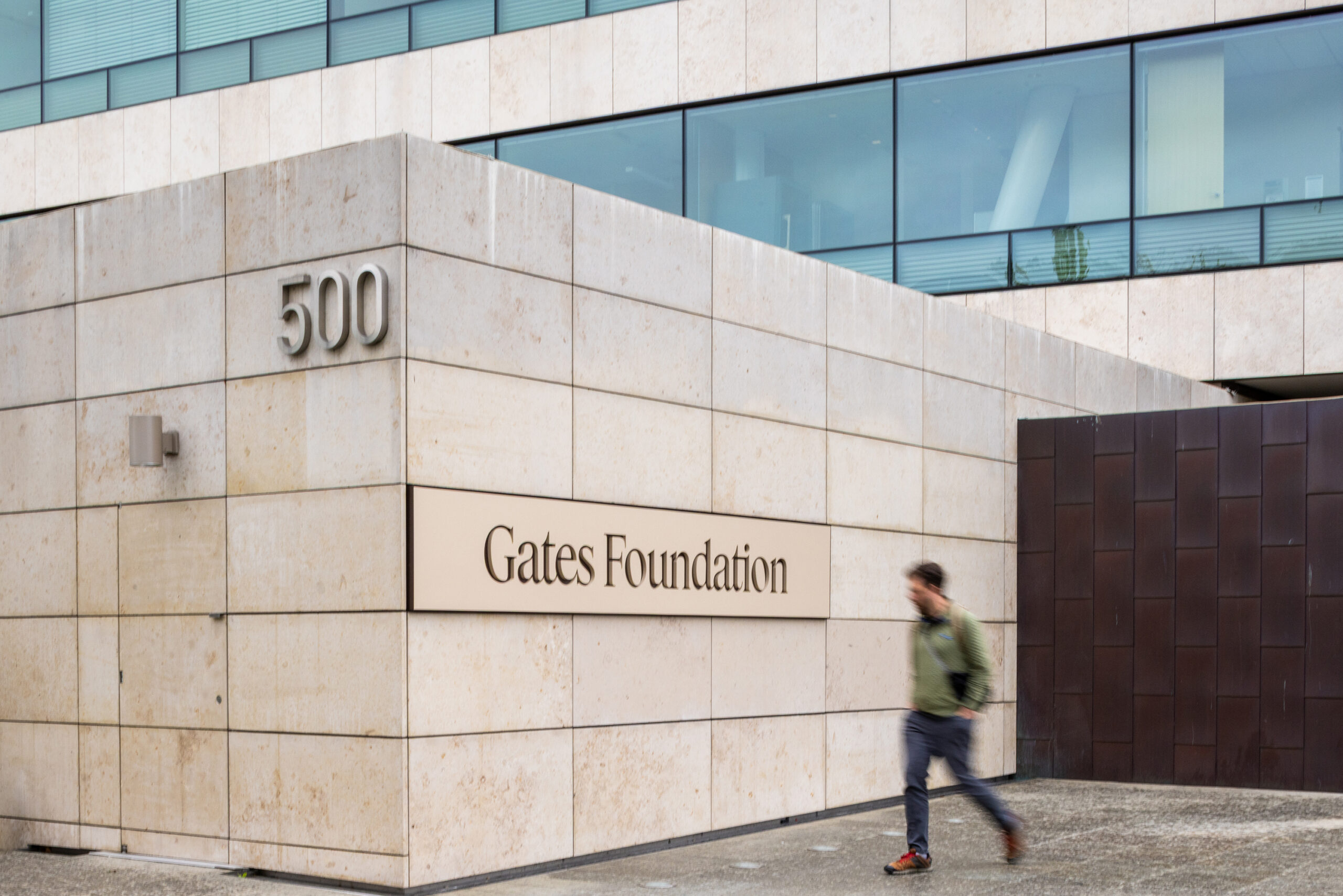
Today the Gates Foundation announced that it will spend a record $9 billion in 2026, maximizing its spending in key areas such as global health. At the same time it will begin reducing the number of staff positions it has by as many as 500 over five years. This announcement comes in the wake of last year’s surprise decision to shutter the foundation in 2045.
The planned layoffs mark another major shift for one of the largest and most influential foundations in the world at a time when many of its long-term priorities, such as addressing poverty and improving global health, have been undermined by cuts in U.S. government spending by the Trump administration.
Bill Gates said last year that the foundation would spend $200 billion over the next 20 years and then close as part of his plan to give away the bulk of his wealth. This week, he and other members of the foundation’s board approved the largest budget in the foundation’s history, topping last year’s budget of $8.74 billion. With that new dollar amount, the foundation will increase budgets for several programs, including women’s health, vaccine development, polio eradication, AI, and U.S. education. The board also approved a proposal to cap operating costs — including staff, salaries, infrastructure required to run the organization, facilities, and travel expenses — at no more than $1.25 billion, or approximately 14 percent of the foundation’s budget.
To meet that goal, the grant maker will cut up to 500 of its 2,375 staff positions by 2030, including some open roles that it may leave unfilled. The effort to reduce the staff count along with other expenses will be done incrementally and reviewed annually rather than coming in “a big wave,” foundation CEO Mark Suzman told the Chronicle of Philanthropy in an interview.
“We will do this thoughtfully, carefully, and systematically,” he said. “We’ll be recalibrating it every year. That 500-person target is a maximum target. I very much hope that we won’t have to do it as large as that number.”
Spending Money Prudently
Suzman said he and other board members felt the operating costs cap was necessary. The foundation’s $9 billion budget is expected to remain flat for at least four to five years, he said. If there are no market declines, the budget is expected eventually to increase above $9 billion, he added. Meanwhile, left unchecked, the foundation’s operating expenditures, currently around 13 percent of the budget, were projected to approach 18 percent by the end of the decade, Suzman said. The board wants to ensure that the foundation is spending money prudently and with a focus on maximizing the dollars spent and resources provided to the people the foundation serves, he said.
The Gates Foundation, among the largest in the world, is also the largest foundation to decide to close, and many in philanthropy have wondered how its leaders will go about planning an exit strategy, said Elizabeth Dale, acting executive director and Frey Foundation Chair for Family Philanthropy at Grand Valley State University’s philanthropy center. Dale works with a group of about 20 foundations that are spending down their endowments. Most have assets below $200 million. Sunsetting a foundation with the massive wealth of the Gates Foundation is unprecedented and will likely require strong strategic planning, Dale said before the release of the new budget and staffing details.
“My sense is that they spent the last year really trying to home in on their priorities and their strategy,” she said.
What’s Next
Many of the foundation’s core areas of work and achievement over the past decades have suffered due to humanitarian aid cuts from the United States and other countries last year, making philanthropic support more critical. In a recent blog post, Bill Gates noted that the “world went backwards” last year when it comes to child deaths, with the number going up for the first time this century, from 4.6 million in 2024 to 4.8 million in 2025.
“The next five years will be difficult as we try to get back on track and work to scale up new lifesaving tools,” Gates wrote. “Yet I remain optimistic about the long-term future.” In an effort to address that backsliding, the foundation is expected to accelerate spending in three priority areas over the next two decades: maternal and child health, infectious disease prevention, and poverty reduction, Suzman said. It also is expected to increase some grant sizes over time, though not across the board.
In the same post, Gates also discussed the challenges that Artificial Intelligence poses, warning that the technology could disrupt the job market and be misused by “bad actors” if more attention isn’t paid to how it’s developed, governed, and deployed.
At the same time, Gates has championed AI adoption. The foundation was among a coalition of funders that last July pledged to offer $1 billion in grants and investments to help develop AI tools for public defenders, social workers, and other frontline workers in the United States over the next 15 years. And, Suzman noted, AI is one of the foundation’s portfolio areas that will continue to expand.
The foundation also is expanding its footprint in India and Africa. Earlier this week, it announced the creation of a new Africa and India Offices Division that will be led by Ankur Vora, who has worked at the foundation since 2013 and served as an adviser to Gates and Suzman including on the 2045 closure plan.
Suzman said the development of a staff reduction strategy will coincide with the previously announced wind-down of early learning solutions in the United States by 2029 and the shuttering of the inclusive financial systems, two programs that will have met their goals within the next five years, foundation leaders believe. Staff on the HIV and tuberculosis teams at Gates Foundation headquarters in Seattle also will be downsized as that work largely shifts to offices in Africa, he said.
20 More Years to Go
Even as it reduces its staff size, the foundation will continue to hire selectively for key roles it needs to advance its mission, Suzman said. When asked if the planned layoffs might affect efforts to recruit and retain talent, Suzman noted that the quality and quantity of applications for open roles has actually increased since the foundation announced it would close.
“I think people have been energized by the vision, and that’s really encouraging to see,” he said.
Suzman said that despite setting a date for the foundation to sunset, he continues to remind people internally and externally that 20 years is still a significant amount of time for the Gates Foundation to operate and make an impact.
“We are moving into what I believe is going to be the most impactful period of the Gates Foundation in its history,” he said. “We’ve learned a huge amount over the last quarter century. We’ve built expertise, credibility, and partnerships. We now have a set of goals that are allowing us to focus with greater intentionality.





