September 11, 2013 | Read Time: 4 minutes
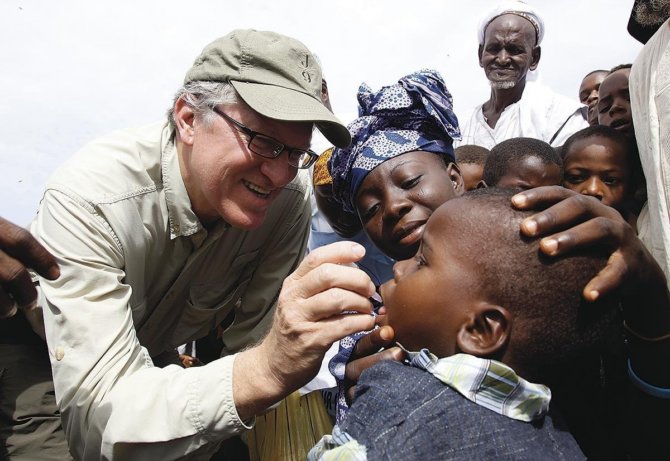
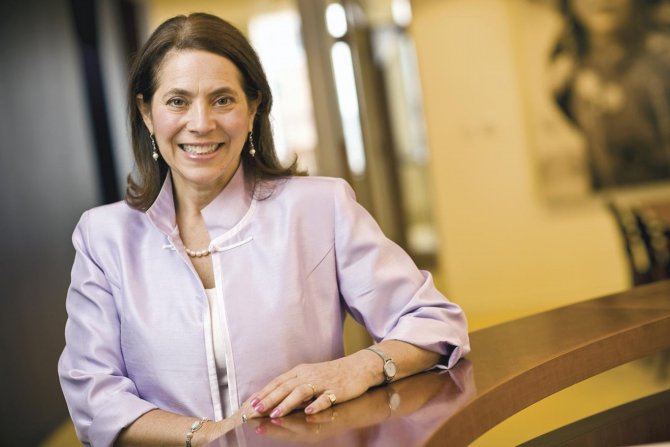
The next leader of the Bill & Melinda Gates Foundation is unlikely to be a Microsoft executive, says Jeff Raikes, who announced on Tuesday that he is stepping down as chief executive of the world’s largest philanthropy. Mr. Raikes and his predecessor, Patty Stonesifer, were both high-level executives at the company that Bill Gates co-founded before they took their roles heading his family foundation.
The appointment of someone from outside the Gateses’ circle of Microsoft associates would mark a big change at the foundation and could quiet criticism that the billionaire philanthropist and his wife are too insular because they, along with Warren Buffett, are the foundation’s only trustees.
The trustees “will look well beyond Microsoft,” Mr. Raikes said in an interview on Tuesday. “Their goal is to look for folks who have cross-sector experience. I don’t anticipate there will be a focus on Microsoft.”
The job vacancy will be a plum opportunity: The foundation has $36.4-billion in assets and 1,151 employees, and the position comes with a handsome salary. Mr. Raikes received $975,000, according to the foundation’s most recent tax forms.
No Big Changes Coming
Mr. Raikes, 55, took the job in 2008 after Ms. Stonesifer spent more than a decade building the foundation from a small family fund into a mammoth grant maker. Mr. Raikes said he and the Gateses agreed to a minimum five-year commitment when he accepted the position and that he felt the time was right to move on.
“The foundation is in great shape,” said Mr. Raikes. “The number-one priority is to keep the momentum going. The new CEO is inheriting a very strong leadership team.”
Mr. Gates agreed, saying in a statement: “The foundation is in the best shape that it’s ever been in, thanks to Jeff. He has successfully managed the organization through a period of significant growth, built a phenomenal leadership team, and set us on a great path programmatically.”
Mr. Raikes met with nearly 80 of those leaders at the foundation’s Seattle headquarters before a larger meeting with 1,000 employees. Bill and Melinda Gates joined him for the meeting and told foundation employees that “their key goal is continuity,” Mr. Raikes said. “There’s no change in direction. No change in priorities.”
New Perspectives
But observers say Mr. Raikes’s statement that a new chief executive could emerge from beyond Microsoft is a significant change.
“It’s encouraging to hear that that might be on the table,” said Aaron Dorfman, executive director for the National Committee for Responsive Philanthropy. “That could be extremely beneficial for the Gates foundation.”
Mr. Dorfman’s organization has criticized the foundation for having a small board and for hiring chief executives who all have the same corporate background.
“By having CEOs who have the same experiences as board members, they’re missing out on the potential benefits of broadening the circle to include people who bring a different perspective to solving these really thorny problems,” he said.
Phil Buchanan, president of the Center for Effective Philanthropy, said there is no one profile of a foundation leader that guarantees success.
“There can be benefits in foundations looking to folks who understand the distinctive challenges of philanthropy,” he said. “I would imagine that most folks who have moved from the corporate world to the nonprofit sector or philanthropy and have a few years’ transition would agree that not everything translates.”
He said corporate executives find that judging performance in nonprofits is more difficult without data such as daily sales figures and quarterly profit statements.
$116-Million Family Fund
Mr. Raikes said his foundation experience was as rewarding as his 27 years at Microsoft, where he helped develop the company’s Office software. But he said he does not want to be the next chief executive of Microsoft: Last month, Steve Ballmer announced suddenly that he would leave that post within a year.
Instead, Mr. Raikes said that once a new foundation chief executive is named, he will spend most of his time working with the $116-million Raikes Foundation that he started with his wife, Patricia, in 2002.
Mr. Raikes, a native of Nebraska, wants to focus on agricultural and education issues, including making crops more productive.
Said Mr. Raikes: “My greatest aspiration is to do what I can to work with people around the globe to raise the level of impact that can come from philanthropy.”