Nonprofit Aims to Bolster Dance in the South

By Emily Haynes
Senior Editor, Nonprofit Intelligence
May 3, 2022 | Read Time: 2 minutes
Too often, regional theaters in the South bring in dance companies from Northern cities like New York and Chicago to perform instead of presenting local artists, says Nikki Estes, director of presenting and touring at South Arts. “There’s this perception that those are the only places to find dance companies,” she says.
A new program aims to bolster modern-dance companies in the American South and help them tour from Louisiana to North Carolina. The Momentum program was created by South Arts, a nonprofit that makes grants to Southern artists and conducts programs and conferences to advance the arts across nine Southern states. The program launched thanks to a grant from the Mellon Foundation.
Momentum provides money , performance and rehearsal space, and business expertise to regional dance companies and puts them on the radar of theater directors across the South. When the pandemic barred dancers from the studio and canceled performances, South Arts was able to make unrestricted grants of $37,000 to each dance company, repurposing $27,000 in grant money and drawing $10,000 from the nonprofit’s Cares Act award.
Five dance troupes — Dimensions Dance Theatre of Miami, Helen Simoneau Danse, New Dialect, Staibdance, and Wideman Davis Dance — will complete the first three-year program in December. South Arts matches each dance troupe with a mentor and gives each one $15,000 and access to a theater to hone the choreography and get the performances tour-ready. Companies receive another $30,000 to create and run community engagement programs along their tour route.
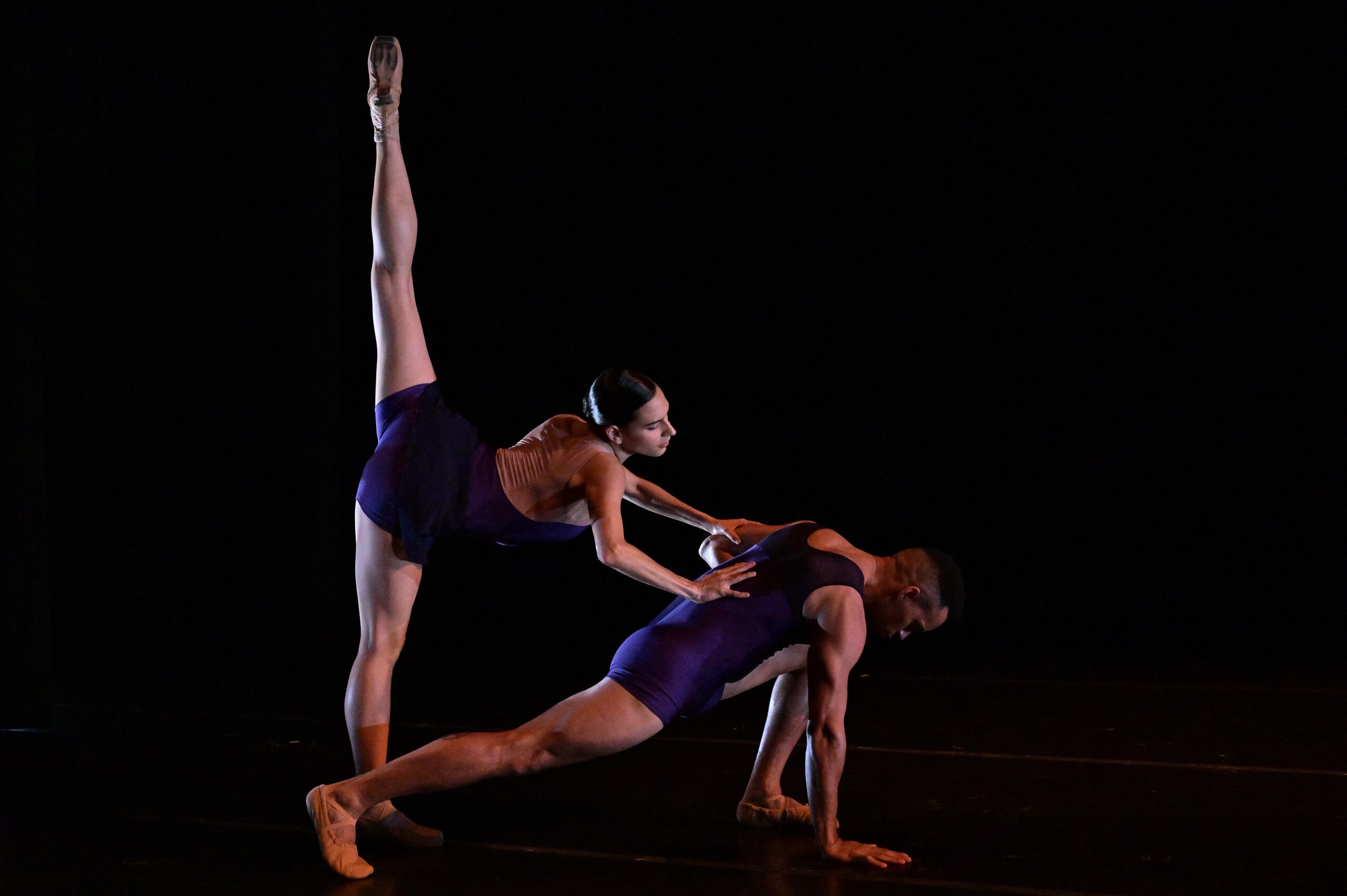
The collaborative model is already yielding interesting results. For example, Dimensions Dance Theater of Miami commissioned a new work, “Smallest Orbits,” shown here, from Helen Simoneau Danse. Wideman Davis Dance and New Dialect have used the opportunity to expand into new disciplines, testing out film and theater, respectively.
“We want to see the work of these five companies in more Southern communities and beyond the South,” Estes says. “We want to see them celebrated in ways that companies that have been around for long periods of time are celebrated — and we want them to feel supported in all that they do.”