
Nonprofit Fills Unique Role for Military Families and Policy Makers

By Debra E. Blum
Contributor
April 7, 2013 | Read Time: 3 minutes
Not many charities would boast that the end of 2008 was the “right time” to get started. But Blue Star Families, a national nonprofit network of military families, is proud to make that claim.
“We like to say we were in the right place at the right time,” says Noeleen Tillman, the group’s managing director.
One big reason: Defense contractors and other businesses in the defense industry, which have emerged as key donors to Blue Star, were not feeling the effects of the recession at the time like the rest of the country.
For example, BAE Systems, a global defense, aerospace, and security company, was one of Blue Star’s earliest donors and still supports programs, like Books on Bases, which donates books to libraries and schools that serve military families.
But while there was money in the defense industry, Ms. Tillman says, Blue Star still “needed to make the case of why to give to us, the young upstart.”
Blue Star, she says, filled an important niche, serving what she calls “the new style of military families”—ones in which spouses often pursue nonmilitary careers and people are looking to social media to connect. Blue Star runs professional affinity groups for military spouses, for example, and helps host Facebook forums on topics like post-traumatic stress disorder and suicide prevention.
“The defense industry could still fund big traditional military service groups, like USO, and also see the important, modernized work we were doing,” Ms. Tillman says.
A Cause in the Spotlight
Besides benefiting from a still-robust segment of the business world, Blue Star started at a time when it could take advantage of heightened awareness and concern for military families roused by First Lady Michelle Obama, who had taken up the issue during her husband’s 2008 presidential campaign.
Most of all, says Ms. Tillman, the small group of military spouses who founded Blue Star at the end of 2008 just didn’t want to wait any longer to step in. They believed that military families desperately needed to be better connected with one another and to their communities.
While plenty of organizations existed to support service members, veterans, and their families, Blue Star’s founders felt that those groups weren’t doing enough to coordinate and promote issues related to the general well-being and quality of life for military families.
Blue Star grew quickly to 70 chapters on military bases and National Guard sites around the country and now works closely with the White House and federal agencies—including the Department of Veterans Affairs and the National Endowment for the Arts—to offer services to military families.
Annual Survey
It also gained the attention of Congress, policy makers, and many other charities that serve veterans with its comprehensive survey of military family life. The now-annual poll provides insight into the needs and challenges military families face and has helped shape government policies and nonprofit programs across the country.
“We were lucky that we didn’t have to struggle with the impact of the recession in the same way other nonprofits did,” Ms. Tillman says. “But our ability to gain support has always been more about what we do, what important niches we fill, than anything else.”
Blue Star Families
Year founded: 2008
Mission: To support and connect military families and to raise awareness of military family life
Keys to success: Capitalizing on the appeal of its mission and reaching out to donors not affected by the downturn
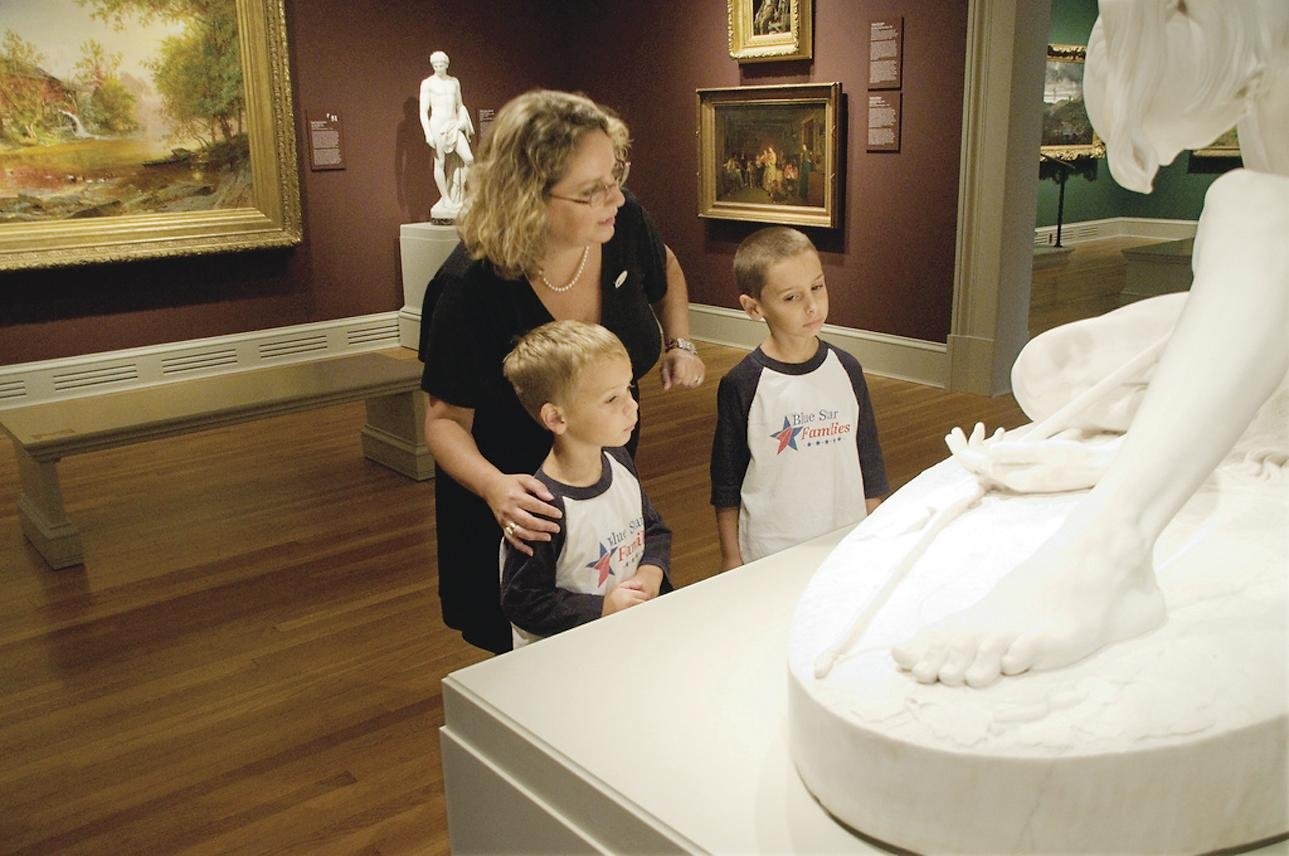
So far: Has 70 chapters; runs an annual poll of military families; and offers services and perks to those families, including a child-literacy program, a suicide-prevention campaign, and free admissions to theaters and museums
Next: Expanding a new program, Blue Star Spouse Networks, hosted in conjunction with the U.S. Chamber of Commerce Foundation. The effort is intended to support and assist military spouses pursuing their own careers




