
Nonprofit Helps Identify Migrants Who Died Crossing the Border

By Ariella Phillips
Contributor
March 7, 2018 | Read Time: 2 minutes
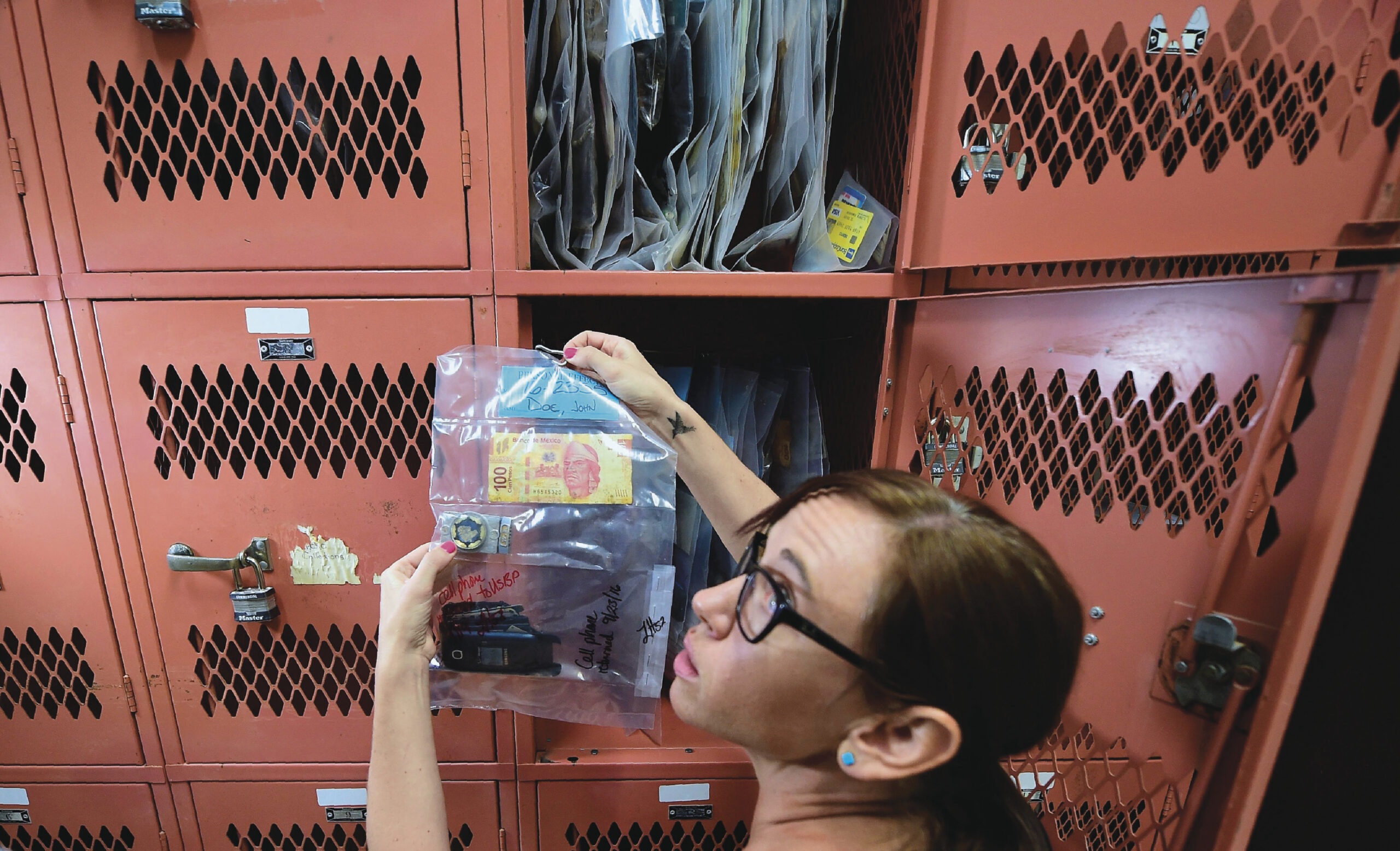
Stashed in lockers in the Pima County Medical Examiner’s Office are dozens of clues. Robin Reineke has found belt buckles, wedding rings, cellphones, and pictures of children. Each could help identify the remains of a migrant who died crossing the U.S.-Mexican border.
Reineke is executive director of the Colibri Center for Human Rights, a nonprofit in Tucson, Ariz., that works with the medical examiner’s office to unite unidentified remains of migrants with family members.
More than 7,000 men, women, and children have died crossing the border in the past 20 years, and identifying the deceased and contacting loved ones is complicated. Founded in 2013, Colibri started by taking missing-persons reports by phone and email.
In 2016, the organization received a three-year, $865,000 grant from the Howard G. Buffett Foundation to collect DNA from people looking for family members and build profiles of missing migrants. The group has traveled across the United States and Central America to collect saliva samples.
Afraid of the Police
Many family members are undocumented and fear going to police to file a missing-persons report. Colibri helps put family members at ease, Reineke says: “We are a lot more approachable than law enforcement.” Last year the organization helped identify 43 individuals.
“It’s heartbreaking to listen to the language used to describe immigrants right now,” Reineke says. “We’re on the phone with the families, and we’re seeing the bodies, and we’re seeing traces of real people who were trying their very best for their families.”
Colibri works under rolling deadlines. Arizona law allows unidentified remains released by the medical examiner’s office to be cremated. Oftentimes, the belongings kept in the lockers in the medical examiner’s office are also burned.
“When the unidentified remains are found — say, today — we have a window from now through six months to find that family,” Reineke says. After that, she says, “the family will get nothing but a box of cremated ashes.”







