Nonprofit Powers Creation of Low-Cost Covid Vaccine

By Emily Haynes
Senior Editor, Nonprofit Intelligence
June 1, 2021 | Read Time: 2 minutes
Philanthropy is powering development of a new low-cost Covid-19 vaccine, now in clinical trials in Thailand and Vietnam, with another soon to start in Brazil. PATH, a nonprofit that works to advance equity in global public health, is using its connections with international government agencies, vaccine manufacturers, and scientists to create a coronavirus vaccine that can be manufactured in lower-income countries.
“We have some highly effective, incredible vaccines that exist,” says Carla Costa Sandine, chief of external affairs at PATH. “But right now, the majority of the world’s population doesn’t have access to them.”
To date, nearly 42 percent of the global vaccine doses administered have inoculated people living in high-income countries, like the United States, according to the Global Change Data Lab. Upper-middle income countries, like China, claim another 42 percent, while less than 1 percent have been administered in low-income countries, such as Afghanistan.
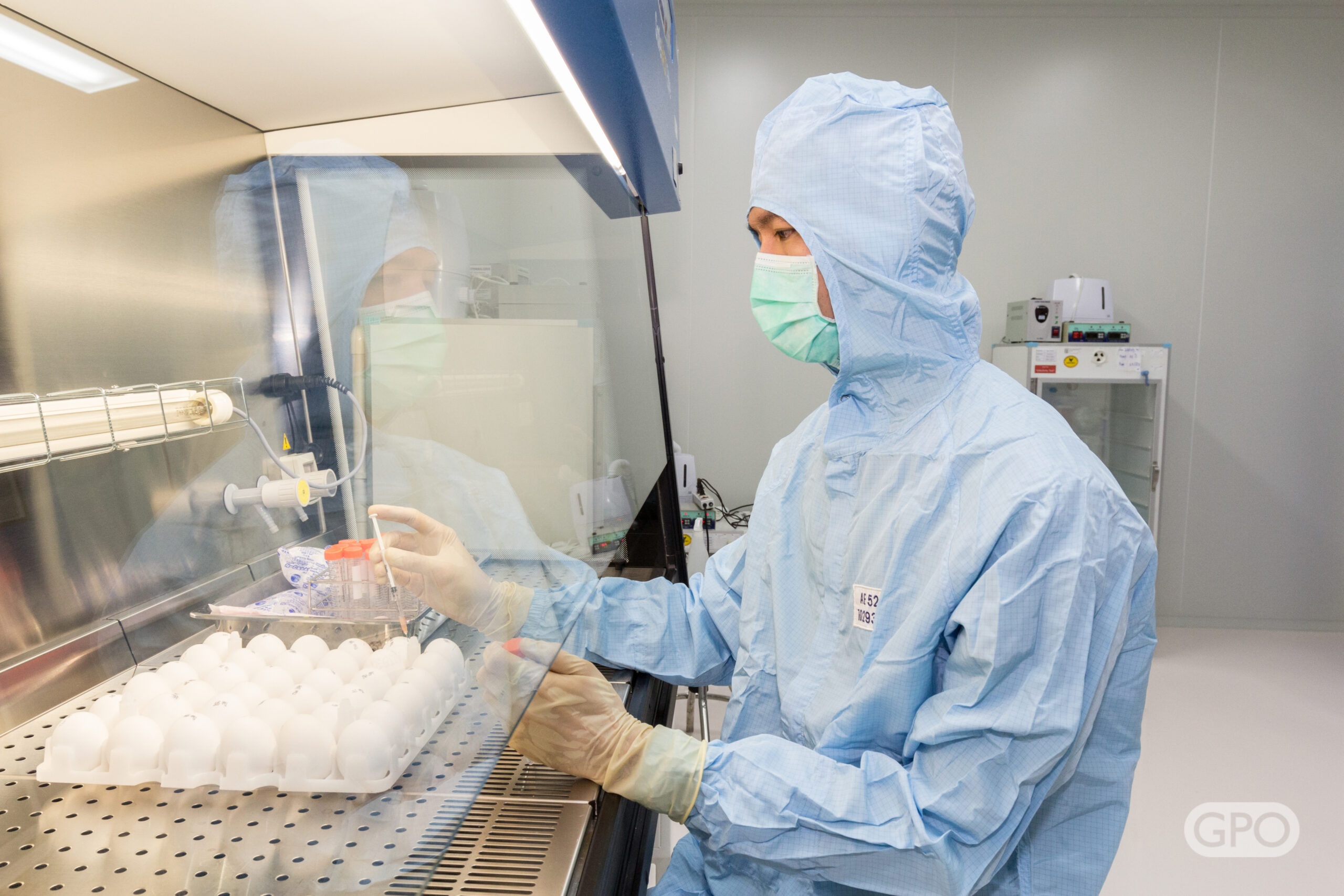
Unlike the three vaccines currently going into arms in the United States, the new NDV-HXP-S vaccine that PATH is supporting — NDV for short — can be created in a chicken egg, like a flu vaccine. What’s more, it doesn’t need to be stored at ultra-low temperatures.
This is all good news for low-income countries like Thailand and Vietnam, which already manufacture flu vaccines and have the systems in place to store and distribute it. Thanks to that infrastructure, Thailand alone could manufacture as many as 30 million annual doses of the vaccine by 2022, Costa Sandine says.
But there is a catch: PATH estimates that these vaccines won’t clear clinical trials and be ready for mass inoculations until next year. Donors and global governments need to support development of low-cost vaccines like NDV while also contributing to the WHO’s Covax campaign to funnel existing doses to people in the developing world, she says.
Time is of the essence, Costa Sandine says. “We have to do both things at once.”