Nonprofits Anxiously Await Court Action as Insurers Reject Virus-Related Payouts

By dan.parks
Contributor
June 2, 2020 | Read Time: 7 minutes
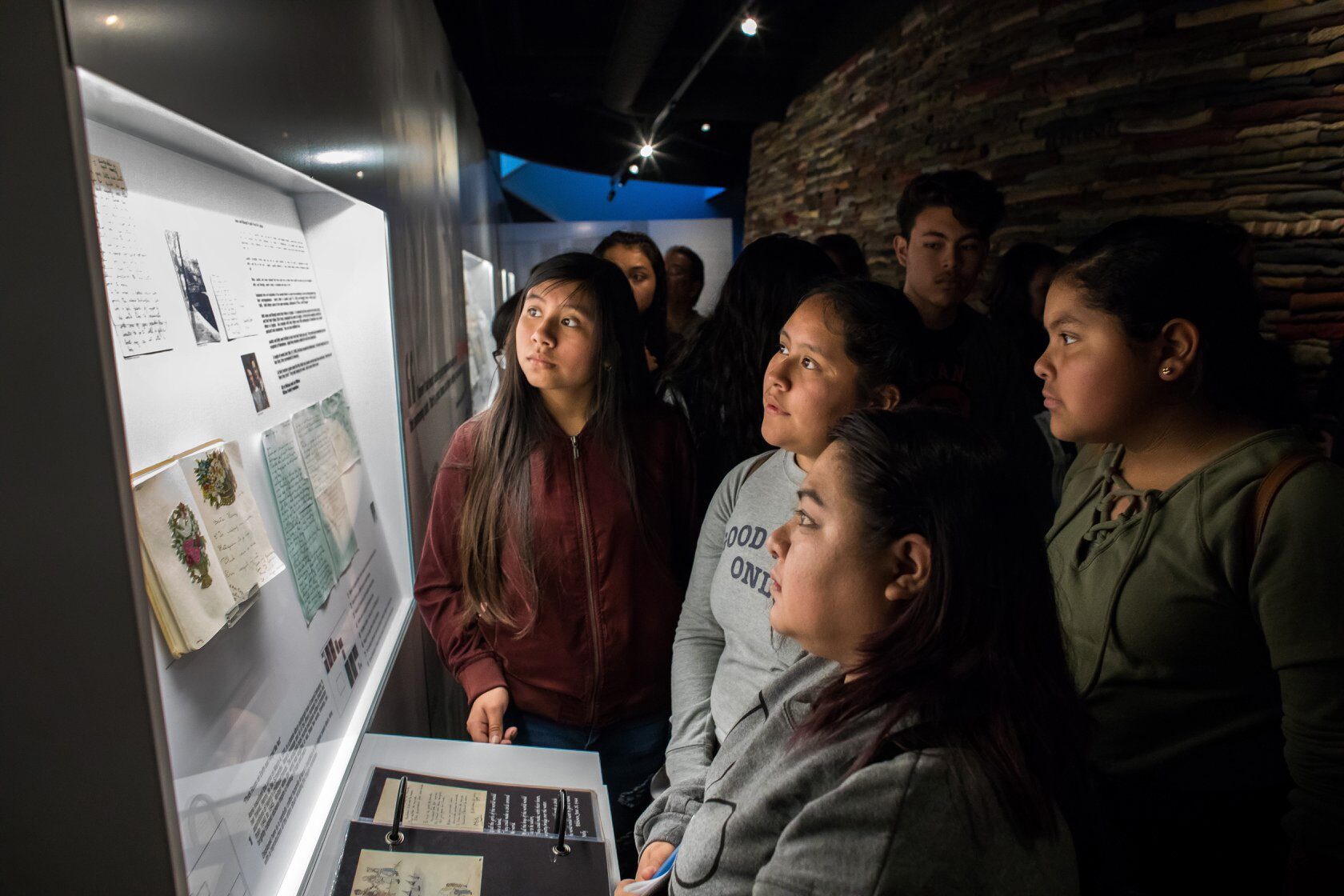
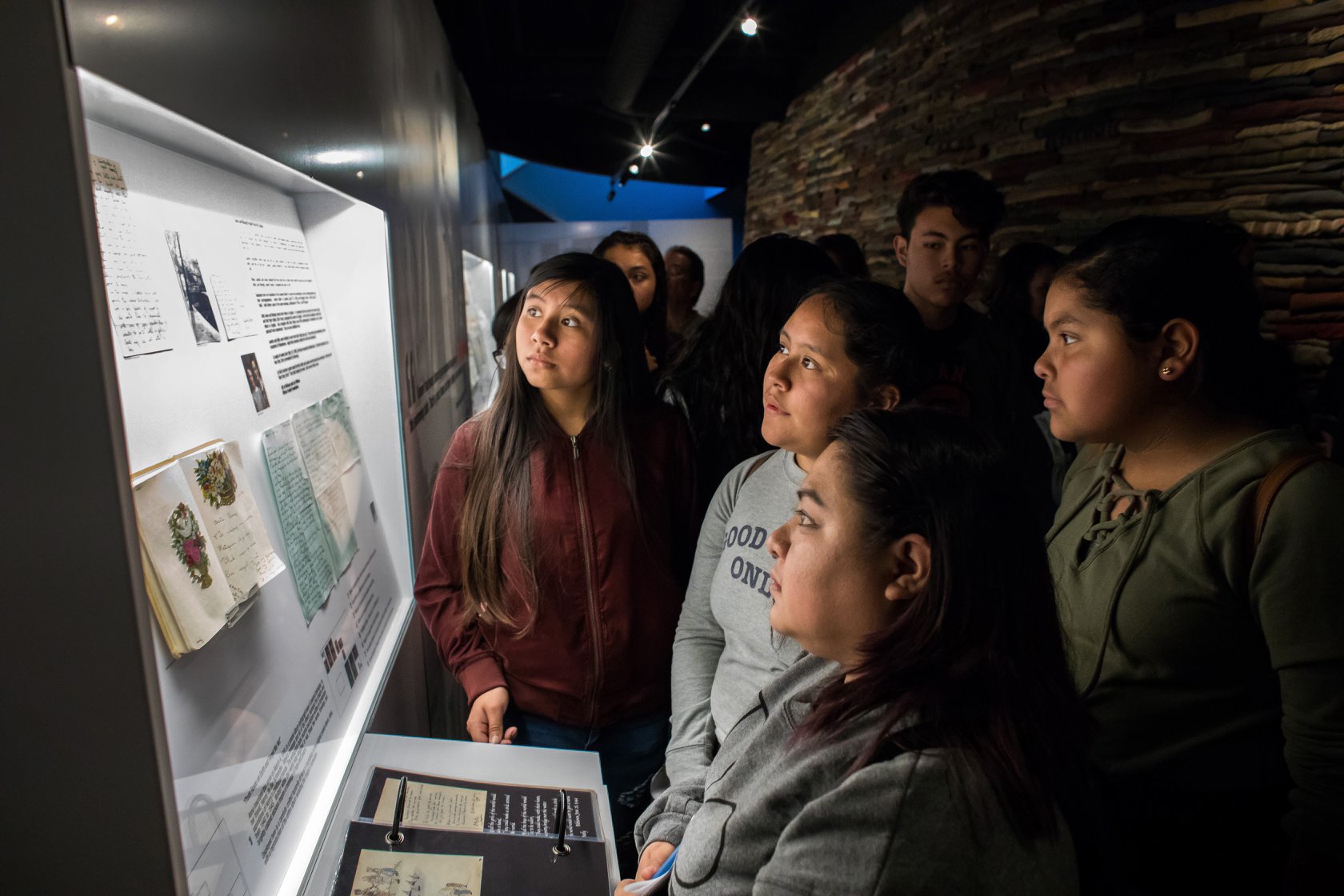
For decades the Simon Wiesenthal Center was a satisfied customer of Chubb, a global insurance company that provides the center’s property insurance. Rabbi Marvin Hier, founder and CEO of the center, even used Chubb to insure his home.
“We’ve never had any trouble with them,” Hier said, “until now.”
Chubb denied the center’s property-loss claims after the pandemic hit, a problem facing nonprofits insured by an array of companies. Now some groups are trying to force legal action or advocate for federal legislation that would help nonprofits and others make up for losses caused by the pandemic.
It has temporarily closed its museum and suspended its film operations, including a documentary on Shimon Peres narrated by George Clooney that was in the works. The center also halted training sessions it conducted to help teachers and police understand diversity issues, a significant source of revenue. And support from donors has fallen.
The constant drumbeat of losses prompted the Wiesenthal Center to turn to Chubb, where it pays property-insurance premiums of about $325,000 annually to cover its U.S. offices and the museum in Los Angeles. The claim was denied. “We were absolutely shocked,” Hier said.
‘Direct Physical Loss’
Most nonprofits’ property insurance policies include provisions that cover loss of income due to “direct physical loss or damage,” notes Kevin Sullivan, a client executive at National Trust Insurance Services, which helps connect nonprofits with insurers.
But insurers do not think the coronavirus qualifies under that standard, Sullivan said. As a result, some nonprofits and businesses are taking insurers to court if they don’t pay up, arguing that “you can have direct damage without tangible damage,” Sullivan said. He added, “I don’t know if that argument carries water.”
Revenue losses due to canceled galas and other off-site events are not covered by property insurance, experts said. Nonprofits often buy separate policies to cover lost revenue from events that have to be canceled due to circumstances beyond their control, such as a closed convention facility.
Pressing Their Case
Sullivan said his organization recommends that nonprofits file loss claims with their insurers. Those claims almost certainly will be denied, he said, and then the nonprofits can wait to see how the courts respond to similar situations. If courts rule against the insurers, nonprofits that have filed claims are in better standing to get money than those that don’t, experts say.
Sullivan said the outcome will affect thousands of nonprofits nationwide.
“This is a huge issue, this is a huge topic,” he said. “It’s not nuanced in any way.”
Some nonprofits have insurance policies that specifically exclude coverage from losses due to any virus or pandemic, Sullivan said. For those charities, there’s little hope of getting any relief except from Congress.
A spokesman for Chubb said in an emailed statement that the company has always strived to be fair and pay claims promptly when appropriate.
“We are currently paying claims for pandemic-related losses in workers’ compensation, travel insurance, credit-related products as well as certain business interruption coverage where direct physical loss to the property is not required. The vast majority of polices, however, do not cover business interruption from pandemic risk, which would create infinite exposure for the insurance industry if applied to all policies. Creating false expectations about coverage that does not exist, including filing baseless lawsuits, will not solve this crisis.”
Taking On the Industry
The Business Interruption Group formed recently to take up the cause of businesses and nonprofits fighting with their insurers during the pandemic. The group was originally formed by celebrity chefs whose restaurants had been hit with heavy losses due to the coronavirus and has expanded to include other types of businesses as well as nonprofits. The group argues that coronavirus losses should be covered in most cases, saying “The virus is sticking on surfaces, causing a dangerous property condition and loss.”
John Houghtaling, cofounder and general counsel of the group, said it’s both legally wrong and “immoral” for insurance companies to deny claims except for policies that specifically exclude coverage for losses that come from any form of virus.
When facing crises that could lead to big payouts, insurers typically “misrepresent” their coverage and then delay payments and hope Congress will step in and cover the losses, Houghtaling said.
Hurricane Katrina in particular was a big catalyst for that kind of response from the industry, and now insurers are following that playbook during the coronavirus crisis, he said.
“What I see after every disaster is the same thing,” Houghtaling said. “It’s the same tactics, and I see the same aftermath. It starts with the insurers that deny responsibility completely.”
Big Risks
Pamela Davis is the CEO of the Nonprofits Insurance Alliance, a nonprofit that provides insurance to other nonprofits. The policies underwritten by the alliance explicitly exclude payouts related to any kind of virus or pandemic.
“Some risks are so big and unquantifiable that the insurers can’t charge the policy holder enough for that unknown,” Davis said.
The alliance was created 30 years ago as an alternative source of insurance for nonprofits that were being hit by rapidly escalating premiums charged by for-profit insurers. As a low-cost insurance provider, the alliance would be financially overwhelmed by claims in the current crisis without the virus exclusion clauses, and most of its customers understand that, Davis said.
Still, Davis said, it’s “extremely difficult” to say no to policy holders that are struggling financially and trying to maintain essential services to vulnerable people. “We’re sorry that we’re not able to say yes,” she said.
The alliance has grown rapidly in recent years, Davis said, and it now insures more than 20,000 nonprofits in 32 states. Demand for its services is growing rapidly as for-profit insurers continue to ratchet up their rates.
Davis hopes Congress will create a pandemic-risk backstop program, much like the federal terrorism insurance backstop that was created after the 2001 terrorist attacks, in which the federal government would cover costs after insurance payouts reach a certain level. “My hope is in the future we can plan for this so it’s no so chaotic,” she said.
Legal ‘Slugfest’
The Business Interruption Group took action in Federal District Court in California on April 29 on behalf of the Simon Wiesenthal Center asking the court to declare that coronavirus-related revenue losses should be covered by property insurance policies unless those policies specifically exclude virus-related losses.
Insurance is regulated by the states, not the federal government, so Houghtaling said he expects expensive litigation to play out across the country on this issue. “It will be a state-by-state slugfest,” he said.
Meanwhile, Rabbi Hier of the Wiesenthal center is watching anxiously to see how the courts will rule. The Wiesenthal Center has already had to lay off 15 of its 90 staff members in its Los Angeles operations, he said, and more layoffs are inevitable without help from its insurer.
He expects to win the case because the insurance industry’s position “doesn’t pass the common-sense test.” He said he fears for the Wiesenthal Center’s future if it loses.
“The consequences will be devastating. We’ve suffered enormous losses,” he said. “If an insurance company is not here for us at a time like this, when will it be here for us?”