

November 28, 2010 | Read Time: 4 minutes
When the new Congress starts work in January, it will include an influx of new Republican faces brought in by the midterm elections and confront growing pressure to cut spending to bring down the national debt, which could have a big impact on programs that affect charities and the people they serve.
Meanwhile, the lame-duck Congress that will run things until then has some critical unfinished business to attend to, including passing the 2011 federal budget and a variety of tax questions that could affect charitable giving.
New Congress
- Understanding of nonprofits may be low. Voters sent 93 new members to the House of Representatives, the largest freshman class in many years. That means nonprofit advocates should start now trying to educate the newcomers about their priorities.
- Federal aid. Republicans, who will control the House and gain seats in the Senate, will take a hard line on spending, especially given pressure from the small-government Tea Party. That could be bad news for safety-net programs and programs that President Obama hoped to expand, like AmeriCorps; the Social Innovation Fund, which provides grants for promising nonprofit projects; and Promise Neighborhoods, which provides money for antipoverty projects modeled after Harlem Children’s Zone. House Republicans have vowed to cancel any unspent economic-stimulus money, cut the federal budget to 2008 levels, and hold weekly votes on spending cuts. The Senate or White House could block those efforts, but the resulting gridlock would make it hard for nonprofits to plan.
- Scrutiny of nonprofits. Senator Charles E. Grassley, the Iowa Republican who has led a steady stream of investigations into alleged nonprofit abuses as chairman and then senior Republican on the Senate Finance Committee, is expected to move to the top Republican post on the Senate Judiciary Committee. Sen. Orrin Hatch of Utah is in line to assume Senator Grassley’s role on the Finance Committee. Senator Grassley would presumably pay less attention to nonprofit oversight, since he would lack the budget and the staff that he has now to oversee tax-exempt groups. But he will remain an influential Finance Committee member and could find a way to pursue matters that interest him from his new perch. Some observers expect Senator Hatch to be less interested in nonprofit investigations. He is more sympathetic than many other Republicans to national-service programs, last year co-sponsoring a bill with Sen. Edward Kennedy, the late Massachusetts Democrat, to greatly expand AmeriCorps.
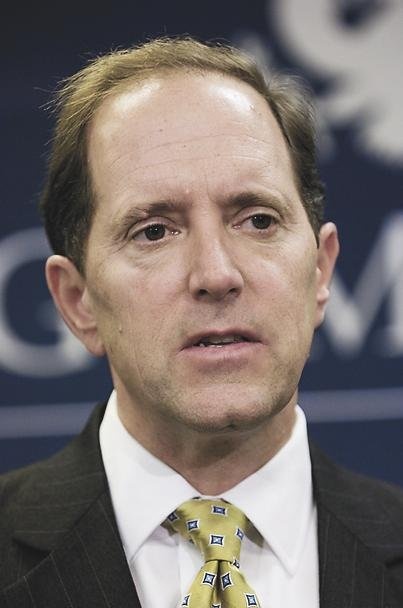
- Tax incentives. Rep. Dave Camp, Republican of Michigan, is expected to take over leadership of the House Ways and Means Committee, which oversees nonprofits through its responsibility for tax issues. Mr. Camp has a history of working well with the nonprofit world in his state and was instrumental in getting the Pension Protection Act of 2006 to include a provision to allow older people to donate money from their individual retirement accounts to charity without being taxed.
- Charity oversight. With control of House oversight committees, Republicans will be able to call hearings over controversies involving nonprofit groups or social programs that draw their suspicion. Darrell Issa, of California, in line to head the House Oversight and Government Reform Committee, and Charles Boustany Jr., of Louisiana, who is expected to chair the Ways and Means oversight subcommittee, last year called for a hearing on Acorn—the community-organizing group that came under fire from Congress after (selectively edited) videos surfaced that appeared to show staff members offering advice on illegal activities. But Democrats did not agree. Representative Issa recently told a television interviewer he is still interested in investigating Acorn, which has now declared bankruptcy.
Lame-Duck Session
- Government spending. Congress has not yet adopted a budget for fiscal year 2011, which started in October. It passed legislation to continue spending at 2010 levels until December 3—and must adopt the budget, or another short-term spending bill, to keep the government open after that. Republican leaders have signaled that they want to wait until the new Congress is in place before adopting a budget, which means nonprofit groups that depend on government grants or contracts could be in limbo for a few more months.
- Tax breaks for giving. Congress seems likely to pass legislation to extend many tax breaks that expired at the end of 2009, including a break for donations from individual retirement accounts. The legislation—adopted by the House and awaiting action in the Senate—would also extend tax provisions to encourage donations of property, food inventory, books to public schools, and computer equipment for educational purposes. Action on the estate tax—which provides an incentive for people to leave charitable bequests—is less certain. The tax expired this year and, without Congressional action, is set to jump to a much higher rate next year than in 2009.




