

February 24, 2013 | Read Time: 1 minute
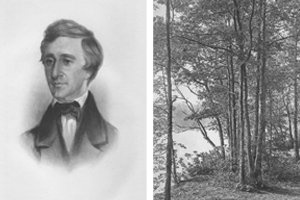
Without ever leaving his office, Jeffrey Cramer can fulfill his mission of sharing information about the life and works of Henry David Thoreau by appearing in classrooms as far from Walden Pond as Illinois and Georgia.
Mr. Cramer, a Thoreau scholar and the curator of collections at the nonprofit Walden Woods Project, has been invited into several classrooms using Skype in the Classroom, a service of the video-call network. The organization is one of many nonprofits taking advantage of the service to share their missions with teachers and students around the world.
“I’ve been able to reach people all around the country,” Mr. Cramer says. “The enthusiasm from the teachers and the students up to this point has been really kind of rewarding.”
The idea originally came from the United Nations High Commissioner for Refugees, says Tony Bates, president of the Skype division at Microsoft, the service’s owner.
The organization approached Skype with a request to set up a way for aid workers in different refugee camps to share advice and experiences. The technology company agreed, and while building that platform it noticed that teachers were already using Skype to bring special guests into their classrooms.
So in 2011, Skype started the classroom service, allowing teachers to connect with one another and to invite speakers, all at no cost. Since then, more than 48,000 teachers have joined the service and more than 1 million students have participated, Mr. Bates says.
Other nonprofits taking part in Skype in the Classroom include the New York Philharmonic, the British chapter of the international aid group Action Aid, and the Virginia Historical Society.
Of the 17 requests the historical society has received through the Skype program, one-third are from foreign countries.







