Nonprofit-Provided Bicycles Help Poor People Access Jobs, Schools, and Health Care

By Emily Haynes
Senior Editor, Nonprofit Intelligence
July 27, 2021 | Read Time: 2 minutes
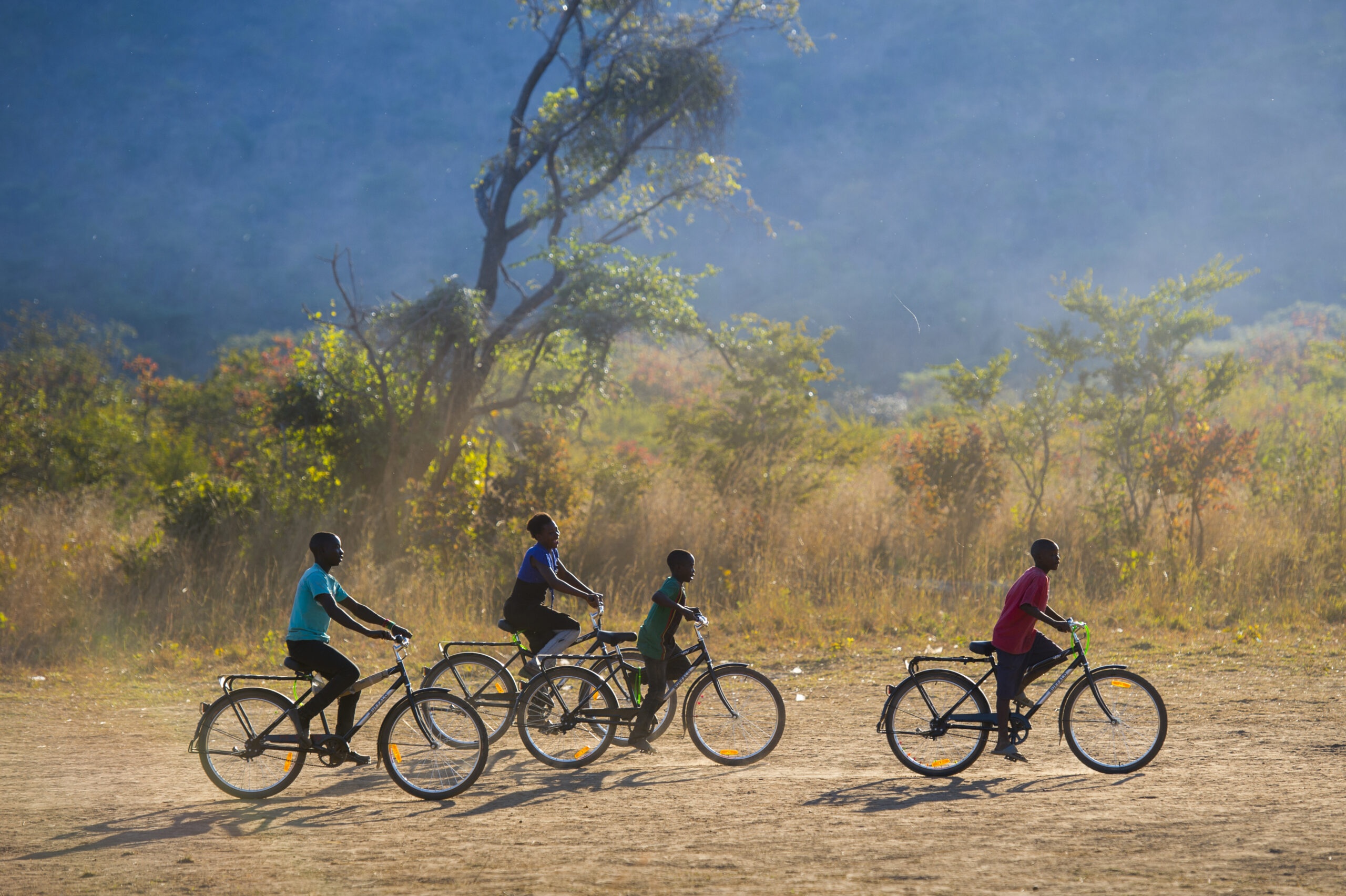
What do education, jobs, and health care have in common? In most countries, people need to leave their homes to access all three. That’s where World Bicycle Relief comes in. The international aid charity provides bicycles to people and trains mechanics in Colombia, Kenya, Malawi, Zambia, and Zimbabwe.
In rural areas of these countries, walking is the primary mode of transportation. That’s a particular challenge for women and girls, who spend much of their days walking to collect water, firewood, and other necessities. School can be a long walk, too — sometimes multiple hours — and in many communities, teachers will beat students who are late to class.
Bicycles help lessen some of these daily challenges.
“Girls report feeling safer and more secure on bicycles,” says Susan Bornstein, global director of institutional partnerships and influence at the charity. She says they’re able to carry five times as much on a bike as they could on foot and can reach their destination four times faster.
In the African and South American communities where the nonprofit operates, school dropout rates for girls have increased during the coronavirus pandemic. “The major focus now for us is getting girls back to school,” Bornstein says. Girls with an education are less likely to become wives and mothers at a young age and more likely to earn higher incomes, she says.
According to the charity, school dropout rates are 19 percent lower among girls with bikes than girls who don’t have them. By providing free transportation, World Bicycle Relief aims to keep more girls in school and on track for success. When recipients finish school, they become the full owners of their bikes — a transformative achievement in a low-income, rural community.
“That girl will end up being the owner of the most valuable asset that that household has ever owned and may own in the near future,” she says. “As someone said to me the other day, she has reclaimed her power.”