
October 20, 2013 | Read Time: 2 minutes
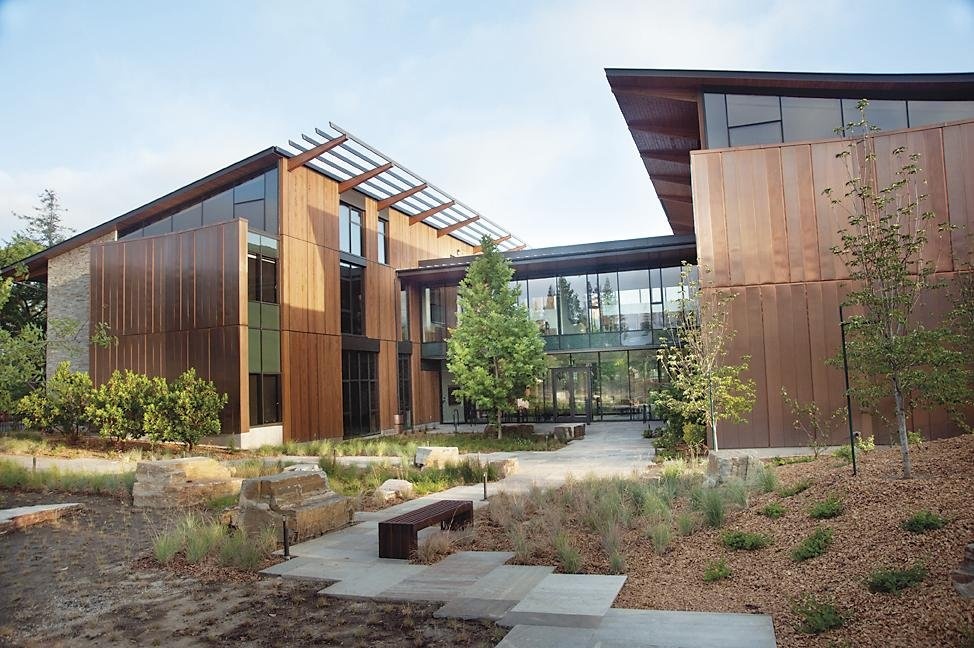
In the first year the David and Lucile Packard Foundation was in its new green headquarters, the structure generated more electricity than it used, becoming the largest building to earn the Net Zero Energy Building Certification.
The 49,000-square-foot building in Los Altos, Calif., features 915 solar panels that generate 300 megawatt hours of electricity per year, though a structure the size of Packard’s headquarters typically uses 700 to 800 megawatt hours annually. The foundation had to find energy savings to make up the difference.
Some of the steps Packard took were simple, like taking energy use into consideration when buying appliances and technology. For example, the foundation uses ink-jet printers rather than laser-jet printers because they’re more energy-efficient. For the same reason, employees work on laptops instead of desktop computers.
“Small choices like that add up,” says Craig Neyman, the foundation’s chief financial officer.
Other energy-efficiency measures were more sophisticated, including a heating and air-conditioning system that circulates heated or chilled water instead of air. But the foundation didn’t have to take a chance on brand-new techniques, says Carol Larson, the foundation’s chief executive.
“This is all existing technology,” she says. “We didn’t have to go out there and do something really bleeding-edge.”
The foundation estimates that building with environmental sustainability in mind added 20 percent to the cost of its $37.2-million headquarters. But officials say some of those techniques will lead to savings down the road. For example, the solar panels, which cost a little less than $2-million, will pay for themselves in less than 10 years through the energy they generate.
The foundation hopes that other organizations planning renovations or building projects will be able to learn from its experience, says Susan Packard Orr, chair of the foundation’s Board of Directors and daughter of its founders: “You can do it without stretching too far.”
For more information: Go to packard.org.