
Pastoral Work Informs Philanthropy Role for New Leader at IU’s Lilly School

By Alex Daniels
Contributor
September 8, 2014 | Read Time: 4 minutes
Fresh out of divinity school and eager to spread the gospel, David King was caught flat-footed in 2004 during his first stint as a pastor.
One of his duties at the Wilshire Baptist Church in Dallas was to secure donations from members of the congregation. But his theological training hadn’t touched on the finer points of fundraising.
“They were asking questions I didn’t feel equipped to answer,” he says. “As a young preacher, I didn’t have the stories inside of me that experienced fundraisers do that showed how giving has impacted my life and other people’s lives.”
Since then, Mr. King has remained active in the church and has pursued his scholarship. After earning his doctorate from Emory University, he taught church history at the Memphis Theological Seminary.
Now, as incoming director of the Lake Institute on Faith and Giving at the Indiana University Lilly Family School of Philanthropy, Mr. King will use the lessons he’s learned in academia and at the pulpit since his Dallas pastorship to help religious leaders become experts at asking for gifts.
Mr. King’s experience as both an academic and a church leader is a real plus, says Craig Dykstra, a research professor of practical theology at Duke Divinity School and former senior vice president for religion at the Lilly Endowment.
“For all major religions, giving is a spiritual practice,” he says. “It’s part of the warp and woof of what it means to be a person of faith. David combines the academic strength required to be part of the faculty with the pastoral experience that will help him work with churches and church leaders.”
Suzii Paynter, executive coordinator of the Cooperative Baptist Fellowship, a group with about 1,800 church affiliates, including the Wilshire Baptist Church, says Mr. King’s role as a spiritual leader gives him an ability to tap into the motivations of people who give because of their faith.
“Giving is not so much about raising a dollar,” she says. “It’s about helping people understand their stewardship can be an extension of their deep relationship with God.”
Even though philanthropy is deeply rooted among people of faith, Mr. King says discussing religious philanthropy can be awkward: “Money and religion are taboo subjects.”
Sometimes when he brings up the subject, people tell him how good they felt when giving a gift or how they personally benefited from help from a religious institution. But just as often, people slam the role of money in the church. He hears them say that religion is a divisive force in the world and that gifts to religious charities enrich the church rather than alleviating social ills.
Mr. King relishes the chance to respond to both positive and negative responses. He’d like the school to become a place where academics and charity leaders can become comfortable discussing religious charity. Often when the taboos are tackled head on, he says, a thoughtful exchange occurs.
“What usually happens is we are able to get into a deeper conversation about generosity, values, and meaning,” he says.
One of his first two priorities at the institute is to increase the number of seminars the school runs each year as part of its Executive Certificate in Religious Fundraising program so young church leaders will be better prepared when they approach donors. This academic year, the school and several partner institutions will host five such seminars.
He’d also like to expand the school’s focus to include attention to how religious groups worldwide view raising money. He hasn’t made specific plans, but he says the program’s curriculum is now too focused on domestic charities and churches.
Mr. King’s curiosity about international religious charity fueled the focus of his doctoral work on World Vision, an evangelical humanitarian relief organization. Mr. King charted the history of World Vision and how it grappled with theological issues as it attracted professional staff instead of clergy and spread it mission around the world. World Vision’s growth and transformation into a group of federated organizations made it more difficult to have a single, coherent message about how the Christian gospel informed its work.
For all nonprofits, whether a huge organization like World Vision or a small start-up charity, Mr. King offers the same advice: “Be genuine,” he says. “Donors crave authenticity, and they shouldn’t be scared away from having a conversation about how faith impacts their work.”
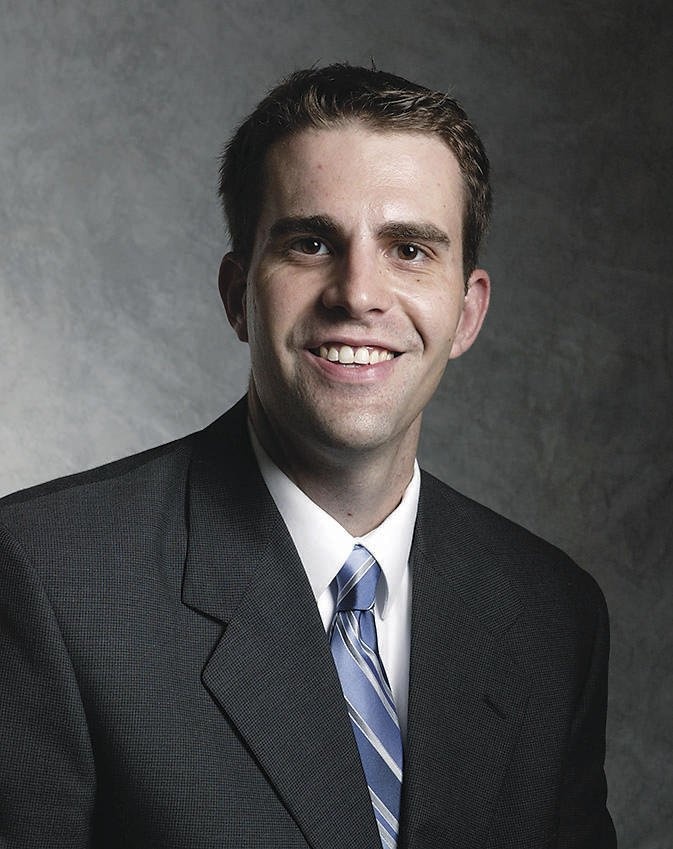
David P. King, Director,Lake Institute on Faith and Giving at the Indiana University Lilly Family School of Philanthropy
Career highlights: Memphis Theological Seminary, assistant professor of church history; Cooperative Baptist Fellowship, associate for new church starts; Wilshire Baptist Church, pastoral resident, a position supported by a Transition Into Ministry grant from the Lilly Endowment
Education: Ph.D. in religion and historical studies, Emory University department of religion; Master of Divinity, Duke Divinity School; B.A. in history, Samford University
Current professional positions: American Society of Church History, chairman of scholarship awards committee; American Academy of Religion, member of the Religion and AIDS seminar steering committee Hobbies: Races in half-marathons and is an avid Duke University basketball fan
Last great book read: Tied between Thin Blue Smoke by Doug Worgul and The Abundant Community: Awakening the Power of Families and Neighborhoods by John McKnight and Peter Block







