Poor New Orleans Neighborhoods Still Overlooked by Katrina Recovery Efforts

By NICOLE WALLACE
Features Editor
August 8, 2010 | Read Time: 2 minutes
Heartrending images of New Orleanians, many of them poor and black, standing on rooftops and praying for rescue after the levees broke were a stark reminder of the very real consequences of the region’s historic race and class divisions.
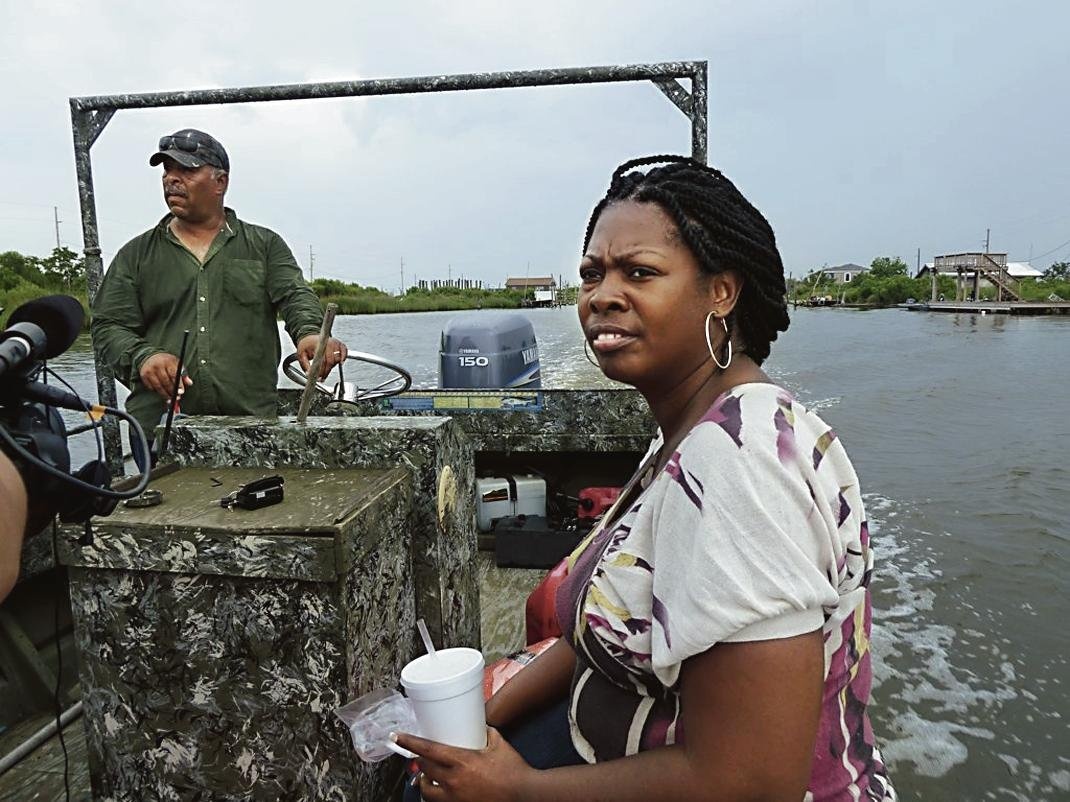
Many nonprofit leaders had hoped the devastation wrought by Hurricane Katrina would serve as an opportunity to rebuild a more equitable Gulf Coast. But those visions have been largely unrealized, says LaTosha Brown, executive director of the Gulf Coast Fund for Community Renewal and Ecological Health.
Neighborhoods like the Lower Ninth Ward in New Orleans that were home to large numbers of people of color and poor people haven’t gotten the same attention and resources as more prosperous areas, says Ms. Brown.
“If it weren’t for homeowners’ and community members’ tenacity in trying to really bring their community back, their community would be desolate,” she says.
In far too many cases, the region is simply rebuilding the systems that were in place before the storms, says Ms. Brown.
“It’s all an extension of a very strong history of racism and classism,” she says. “We’re seeing that play out in the recovery process.”
Increased Cooperation
As the rebuilding effort turns more attention to economic development, Ms. Brown worries that members of minority groups are going to be left out.
“I see a lot of people from outside who have moved to the region to try to develop innovative solutions and new businesses, which is a good thing,” says Ms. Brown. But when it comes to longtime residents, she says, “I’ve seen very little in either programs or support to make sure they are sharing in the wealth.”
One bright spot Ms. Brown points to, however, is the increased cooperation among grass-roots groups working on social-justice issues along the Gulf.
She recalls a recent meeting she attended that brought together activists from many backgrounds—African-American, Cajun, Cambodian-American, Native American, and Vietnamese-American.
“It didn’t always look like that,” says Ms. Brown. “People who were really doing very similar work, fighting against very similar issues just simply were not working together.”