
Proposed New Benchmarks Would Step Up Antipoverty Grant Making

By Ian Wilhelm
Contributor
March 12, 2009 | Read Time: 4 minutes
A watchdog group is pushing grant makers to spend at least half of their grant dollars to help poor people and minorities, arguing that many foundations are ignoring the needs of charities that serve disadvantaged people even as demand rises due to the economic downturn.
The proposal by the National Committee for Responsive Philanthropy received support from a member of Congress and more than 100 charity leaders. But other nonprofit groups have criticized it, arguing that it is too narrow an approach and would stifle philanthropy.
The poverty-fighting threshold was one of about a dozen standards the Washington watchdog group proposed in a new report.
The group also urges foundations to provide at least 50 percent of their grant dollars to pay for the operating expenses of charities and 25 percent to support advocacy work, and to distribute a total of 6 percent of their assets in grants each year.
(Federal law requires foundations to annually award 5 percent of their assets to charitable purposes, a figure that can include some of a grant maker’s own administrative costs.)
The National Committee for Responsive Philanthropy’s new push follows on the heels of several efforts by grass-roots antipoverty groups to get foundations in California and other states to do more for the poor and minority populations.
In its report, the watchdog said too little foundation giving goes to curb poverty or assist blacks, Latinos, and other minorities.
Letting In ‘Sunshine’
The group examined three years of giving data from over 800 grant makers and said that only 13 percent of the foundations met its criteria for antipoverty giving. In all, it said, one out of three grant dollars benefits “lower-income communities, communities of color, and other marginalized groups, broadly defined.”
“This is, frankly, appalling, and it must improve if foundations are going to be relevant to addressing the most important problems facing our nation,” said Aaron Dorfman, the National Committee for Responsive Philanthropy’s executive director, during a press event last week to announce the standards.
He said his organization wants to trigger a debate about how foundations should operate, especially today when charities and many people are strapped for cash.
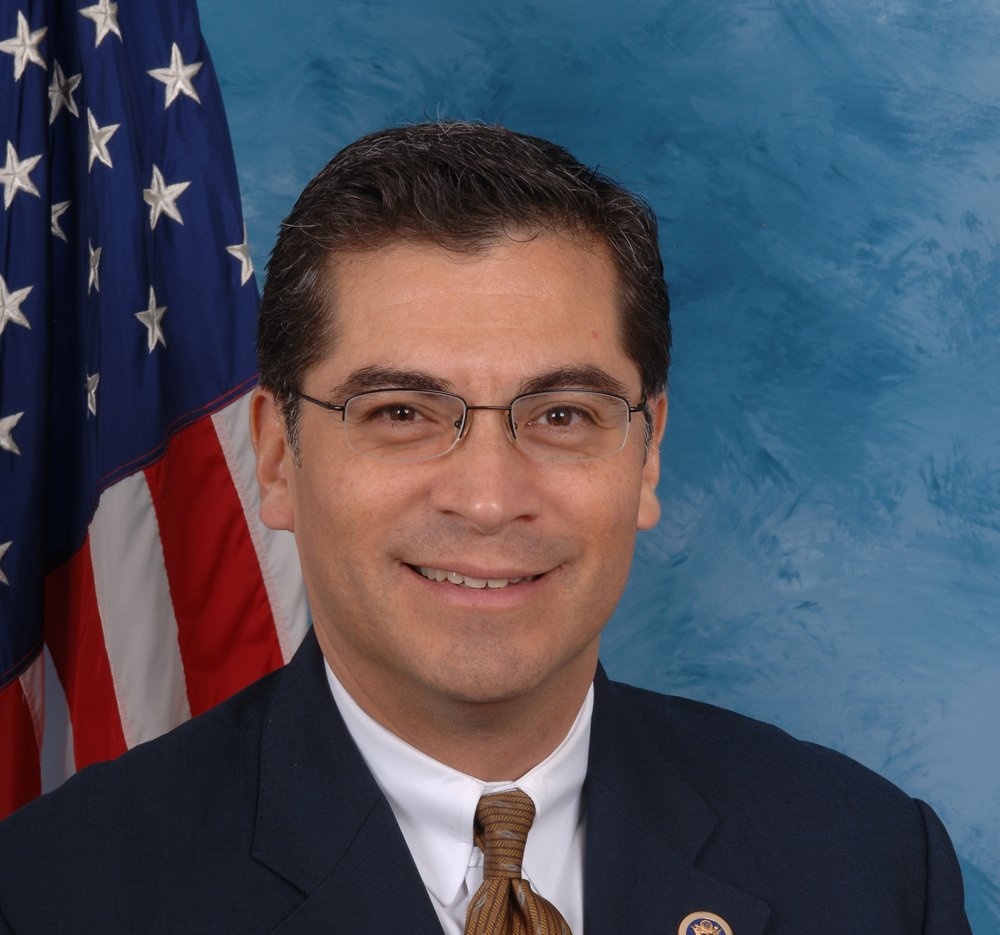
Rep. Xavier Becerra, a Democrat from California, agreed. Mr. Becerra, who is a member of the Ways and Means Committee, which oversees tax matters, said the standards will help members of Congress examine how foundations are performing.
He said he and some other lawmakers are calling for Congressional hearings to explore whether foundations are spending their money wisely. With the busy schedule on Capitol Hill, he did not know when those hearings might happen. But given the tax benefits grant makers receive, Congress needs to keep an eye on them, he said.
“We have an obligation to see that taxpayer money is being well invested,” he said.
Mr. Becerra said he is not considering legislation that would require foundations to alter their giving or governance, but wants to focus some “sunshine” on their activities.
For its part, the National Committee for Responsive Philanthropy is not seeking greater regulation of foundations, Mr. Dorfman said, but will be sending its report to lawmakers and 25,000 grant makers.
“We’re convinced that our criteria will spark important dialogue in the sector about these sometimes challenging issues,” he said.
Critics Weigh In
Indeed, shortly after the report was released, several nonprofit organizations announced that they opposed its recommendations, while a Wall Street Journal editorial charged Mr. Dorfman and his group with pushing foundations to alter their missions and give “grants based on political considerations.”
Steve Gunderson, president of the Council on Foundations, a Washington association that represents about 2,000 grant makers, said in a statement that the report raises important issues, but given the diversity in the goals and approaches of philanthropies, “we cannot endorse mandates, or imposed measures that seek to promote a one-size-fits-all approach.”
The Philanthropy Roundtable, a Washington association that represents both foundations and wealthy donors, said the criteria set by the National Committee for Responsive Philanthropy would draw money away from charities whose missions do not directly benefit the poor or minorities like National Public Radio and the Make-a-Wish Foundation.
Mr. Dorfman said his organization was not asking philanthropies to stop giving grants to causes not related to alleviating poverty. “We’re not saying an arts funder should abandon the arts and fund social services,” he said.
Instead, he said, he would like all foundations, regardless of their mission, to consider how the programs they support could do more to include poor people and others.
“Critics will say that total, unfettered freedom is what makes philanthropy valuable and that NCRP’s criteria are somehow a threat to that freedom,” he said. “But every industry in America thinks it can operate best with total and complete freedom, and we all know that’s not true.”
A WATCHDOG’S GUIDELINES FOR FOUNDATION GIVING
Recommendations by the National Committee for Responsive Philanthropy say foundations should provide at least:
- 50 percent of their grant dollars to help poor people, minorities, and other “marginalized” populations.
- 25 percent to support advocacy efforts and civic engagement.
The organization also suggested that:
- Half of all grant money pay for the general operating costs of charity beneficiaries.
The committee’s report is available on its Web site.




