Rachel Bjorklund: How to Build Support for the Courageous, Lonely Donor

By NICOLE WALLACE
Features Editor
January 5, 2016 | Read Time: 2 minutes
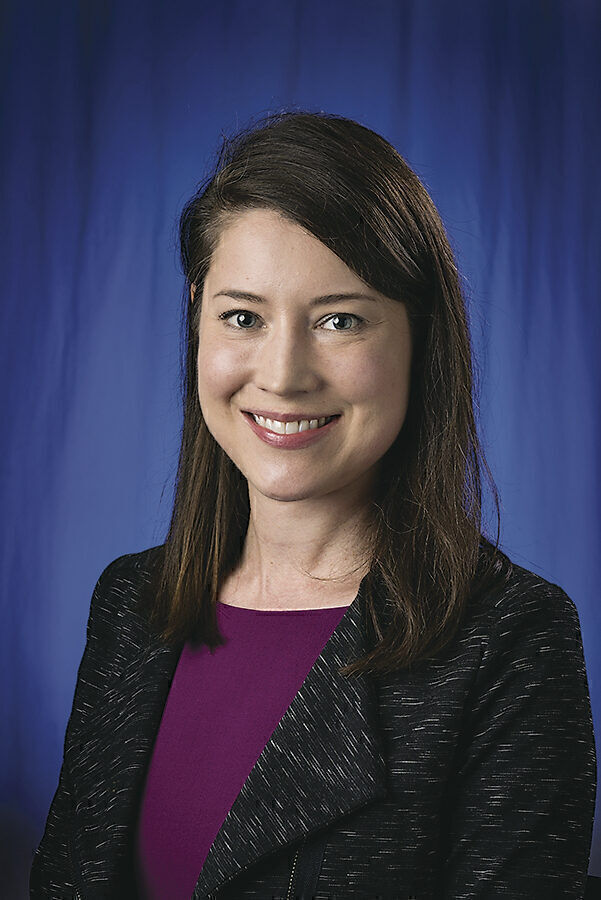
Rachel Bjorklund, 38
National Campaign Director
World Vision
Federal Way, Wash.
Rachel Bjorklund’s life has been a whirlwind since she was hired as World Vision’s national campaign director 14 months ago. At the time, the international development charity was in the middle of its first major capital campaign, with a $500 million target. When that effort concluded successfully in September, the organization was already laying the groundwork for a new multibillion-dollar drive.
“It’s been really fast and furious and fun,” says Ms. Bjorklund.
As part of planning for the new campaign, she led a “very dynamic” roundtable discussion with 70 of World Vision’s biggest donors. She wanted to hear if contributors had reservations about the charity launching another ambitious campaign so soon but knew they might be reluctant to speak up: “Sometimes people are afraid to say what they have a concern about because they don’t want to seem negative or unsupportive.”
To get at what donors were really thinking, Ms. Bjorklund asked neutral questions: What are you curious about? What do you have questions about? “Sometimes that’s where people feel more comfortable expressing things they’re not sure about,” she says.
The forum took place during an annual gathering of World Vision donors. The importance of bringing supporters together to learn from one another is one of the most important lessons the organization learned during its first capital campaign, says Ms. Bjorklund.
“A wealthy person who cares about the poor and is willing to make significant sacrifices to transform the lives of the poor is a somewhat rare individual,” she says. “They can feel somewhat lonely. Bringing them together in a community really gives them the opportunity to connect with people who are like them, think like them, and have the same passions.”