
Rejecting Unwanted Gifts Makes Donors Less Likely to Give Again, Study Finds

By Michael Theis
Contributor
January 26, 2022 | Read Time: 2 minutes
The Theory
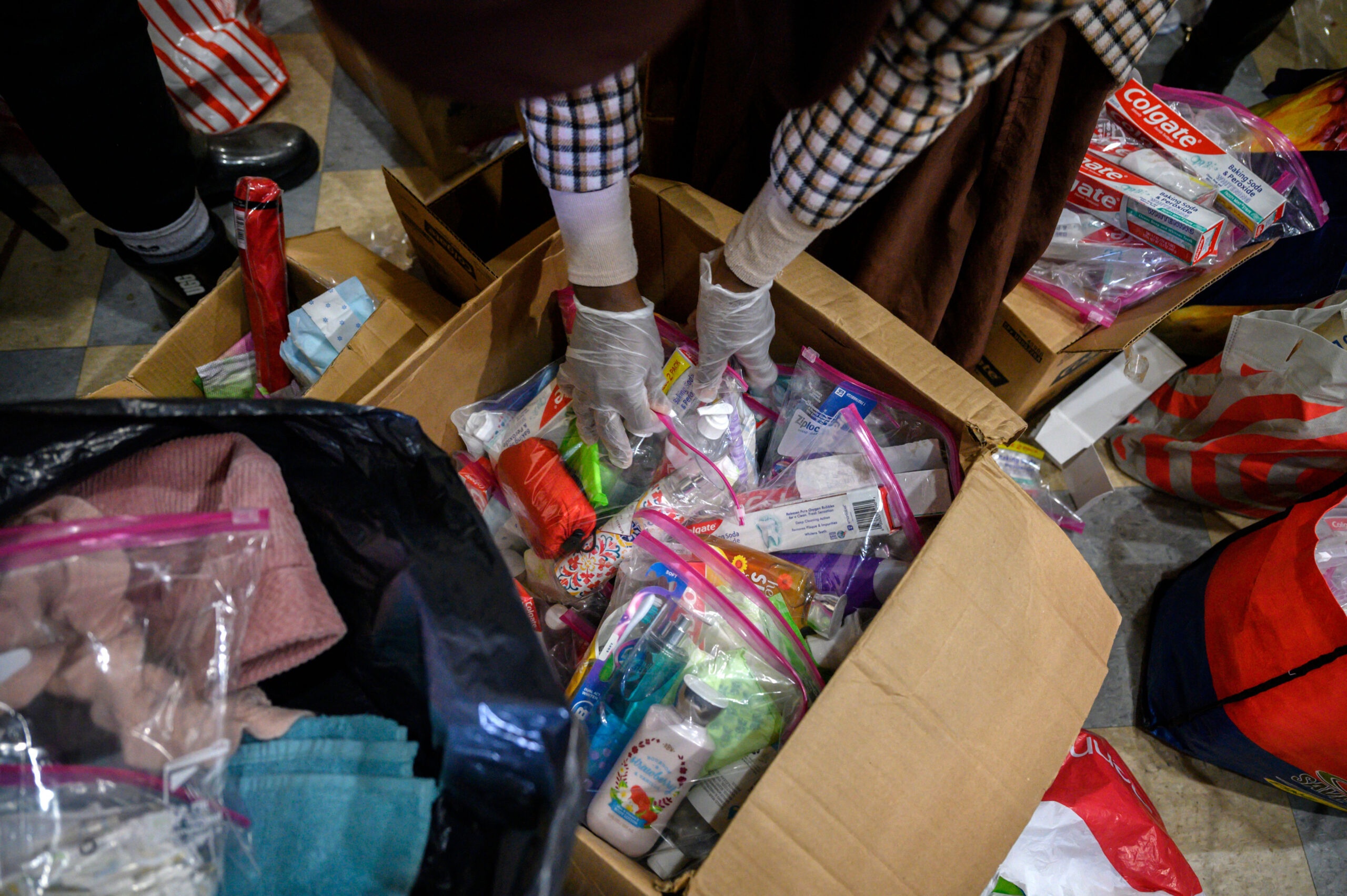
Unwanted noncash donations are a burden for many charities, which have to bear the cost of sorting, storing, or disposing of unneeded or unsuitable gifts. Researchers at Washington University in St. Louis and the University of Pittsburgh wanted to find out how much of an effect rejecting a gift has on a donor’s decision to give again. They looked at two options: The charity accepts the gift and bears the costs of dealing with it or rejects the gift and risks souring a donor’s disposition toward contributing again.
The Test
Researchers gave study participants a series of eight typing assignments, some requiring more effort than others. Completing an assignment would generate a 50 cent donation to a nonprofit of their choice. Participants were aware there was a chance their donation would be rejected, but they didn’t know the likelihood. After each round, the subjects learned if their donation had been accepted and then had the option to proceed with another typing task or not. Those who chose not to complete an assignment were also told whether their gift would have been accepted — and then offered another assignment.
The Results
The study found that donors became less inclined to make another donation after learning their gift was — or would have been — rejected. For participants presented with “low effort” typing assignments, donation rates declined from nearly 60 percent before a rejection to slightly more than 40 percent after. For participants presented with “high effort” assignments, gifts declined from 40 percent to about 25 percent.
Some participants with high-effort assignments were also offered the chance to give a smaller amount of cash if their donation was rejected. Those subjects were 10 percent more likely to give again than those not given that option.
Dig Deeper
Broadly speaking, the findings suggest that rejecting noncash gifts can reduce a donor’s inclination to contribute again.
Nonprofits should be careful about rejecting contributions, said Kaitlin Daniels, one of the study authors. Asking donors to make a monetary donation after rejecting a contribution of goods “may preserve the relationship with the donor while allowing the nonprofit to avoid [further] unwanted donations.”
Find It
“Trying and Failing: Biases in Donor Aversion to Rejection,” by Kaitlin Daniels and León Valdés, was published in the journal Production and Operations Management, July 2021.




