
Reliance on Stocks and Alternatives Produce Disparate Results
November 17, 2013 | Read Time: 1 minute
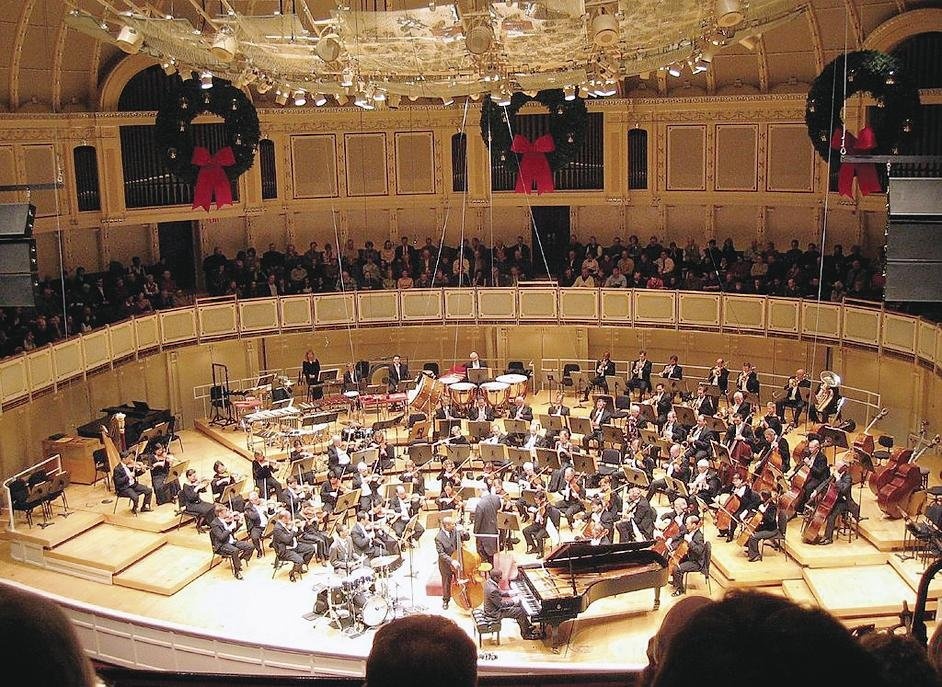
Chicago Symphony Orchestra
Endowment’s market value: $232.6-million
Fiscal year ends: June 30
Decline in market value from 2011 to 2012: 6 percent
Decline in market value from 2008 to 2012: 6 percent, after inflation
Behind the numbers: The Chicago Symphony Orchestra places more than half of its assets in stocks. This strategy helped shrink the group’s endowment in 2012, erasing post-recession gains from a year earlier. Other factors, including interest-rate swap contracts and pension payments, also took a toll. But in the 2013 fiscal year, stock-market gains helped its endowment grow 10.3 percent.

 Alyce Henson/Rotary International
Rotary Foundation of Rotary International
Endowment’s market value: $235.9-million
Fiscal year ends: June 30
Growth in market value from 2011 to 2012: 1 percent
Growth in market value from 2008 to 2012: 18 percent, after inflation
Behind the numbers: In 2011, when its assets increased by 25 percent, Rotary’s endowment surpassed pre-recession highs. Surges in donor-advised funds, charitable remainder trusts, and charitable gift annuities, along with healthy investment returns, fueled the growth. Last year, the group’s endowment was flat. The biggest reason was a minus 2.6 percent return on its investments, which were spread among stocks, bonds, private equities, hedge funds, and other investment tools that seek to wring gains from the market as opportunities arise.





