
Revenue Cuts Will Hurt Some Nonprofits More Than Others
Some organizations will see a sharp uptick in demand for the services they provide.
March 26, 2020 | Read Time: 3 minutes
The coronavirus pandemic could harm every type of nonprofit, but some are expected to suffer more than others. Here’s a look at the challenges that are likely to force immense struggles and what they need most now.
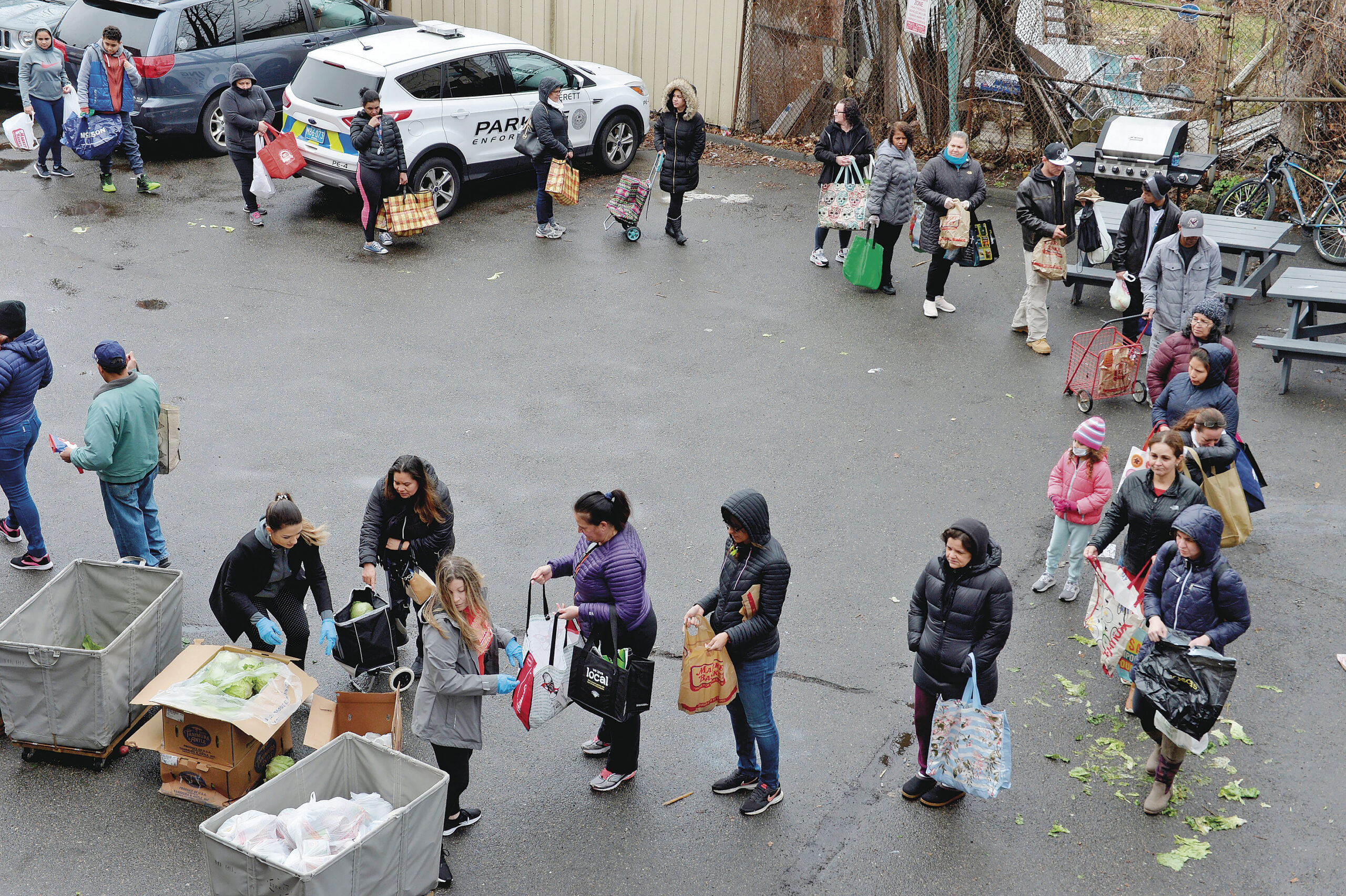
Food Banks
Challenges: Many food banks are labor- intensive operations that rely heavily on staff and volunteers to collect food and get it where it’s needed. Some have reported 85 percent declines in volunteer help.
Some food banks are retooling their operations to provide boxes of prepackaged meals, making the food easier to distribute to clients with minimal social interaction.
Meanwhile, with shoppers hoarding goods, food banks face a shortage of donations from retailers — often the primary source of donated food — so some, like the Capital Area Food Bank, are dipping into reserves to buy food.
Also, with so many businesses closed, affecting huge numbers of retail, hospitality, and other low-wage workers, the pool of clients that food banks need to serve swells more every day.
What they need most: Donated food and cash to refill depleted reserves. Also, food banks need help distributing food and are developing strategies to keep workers and volunteers safe while doing so, with extra hygiene measures and new rules about maintaining physical distances among workers and volunteers.
Domestic-Violence Shelters
Challenges: Miriam Barnett, CEO of the YWCA Pierce County in Tacoma, Wash., expects demand to grow for her organization’s domestic-violence services: counseling, legal help, and a shelter. Families in the region her organization serves will be at home together for weeks and maybe longer, while many people are losing income and even their jobs. “When family stress goes up, so does domestic violence,” says Barnett. Like many other groups, these organizations have lost important revenue due to canceled fundraising events.
Also, the shelters must protect the health of their clients and staff.
What they need most: Increased unrestricted funding
Charity Thrift Stores
Challenges: Store closures shut down the primary source of revenue and idling workers.
Steve Preston, CEO of Goodwill Industries International, says $4.5 billion of the group’s $6 billion in annual revenue comes from store sales. As Goodwill stores across the nation have closed, the nonprofit faces severe losses.
What they need most: Cash donations to help take care of workers, and for customers to return as soon as it’s safe.
Cultural Institutions

Challenges: Museums, opera houses, theaters and symphonies rely heavily on entrance fees and ticket sales for their revenue. Also, many rent their facilities to others for events.
With most or all of those revenue opportunities suspended, these organizations are facing severe financial problems. The Metropolitan Museum of Art, for example, forecasts a $100 million loss because it will need to be closed at least through July.
In addition to ticket sales, the arts are funded in large part by wealthy donors whose giving mood can be deeply affected by the economy and the stock market.
What they need most: Donors to supplement their usual gifts, and for patrons to forgo refunds for canceled events. Also, patrons can participate in virtual events that some arts groups have organized.
Colleges and Universities
Challenges: Like the arts, philanthropic funding for higher education relies heavily on big donors, and their giving is heavily influenced by the stock market and the economy. Brian Gallagher, CEO of United Way Worldwide, foresees a likely pullback by these big donors to colleges and universities.
If there’s a bright spot for higher education, Gallagher said, it could be an uptick in help for students from low-income families and other targeted groups facing the greatest need, like custodial staff.
What they need most: Alumni and other donors who can continue to give.




