

May 15, 2011 | Read Time: 2 minutes
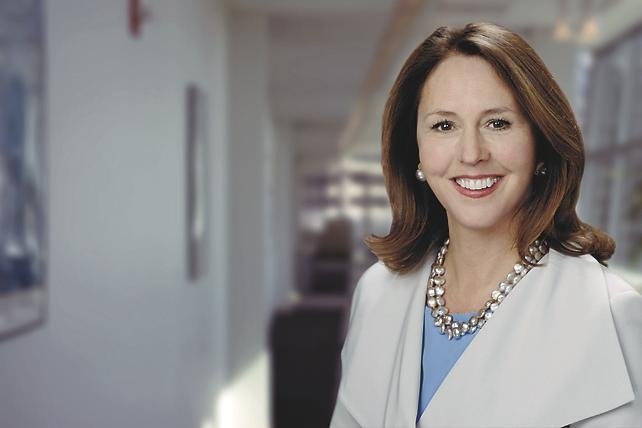
Where she’s going: Kimberly Wright-Violich, 53, steps down June 30 as president of Schwab Charitable, a San Francisco group that offers donor-advised funds—a sort of charity checking account. Her three children all are collegebound, she says, and “this may be the last summer we’re all together. For me, the magic will be if I can get three months for myself and my family and then I find something. I want some downtime.”
Why she’s leaving: Ms. Wright-Violich, who started with Schwab Charitable in 1999, six months after it was founded, says she was advised early in her career to “repot” herself every 10 years, and she believes it’s time. To her, the best part of any new experience is the beginning, when there’s a steep learning curve. “When you are in a job a long time it becomes easier to do,” she says. “Even though we are still doing creative things, I am of the age when I probably only have one or two more big ones in me.”
Biggest accomplishment: Taking her organization from its startup stages and expanding it into one of the nation’s biggest charities. Since its founding it has attracted more than 13,000 donor-advised funds, which allow people to set up a charity account, get an immediate tax break, and decide over time where to give their money. It has received $5-billion in contributions since 1999, and awarded grants to 50,000 charities.
Biggest challenges: “There’s always great tension between reinvesting in the business and keeping administrative fees low,” she says. “We wanted to maximize the money going to charity, but we also wanted to invest in the online experience for our donors.”
Background: After graduating from Stanford University, she worked in sales, real-estate development, and family businesses. She quit in the early 1990s to raise her children, and was soon serving on several nonprofit boards, including that of KQED, a public television and radio station in Northern California. A friend told her about Schwab’s new philanthropic project when she was ready to return to paid work, she says.
Salary: $300,000 in salary, plus other fringe benefits.
Her next step: “I want to explore the possibility of a social-impact enterprise, but it may not be the only thing I want to do.”





