
Senator’s Investigation Into Ministries Leads to Tax Review

By SUZANNE PERRY
Contributor
January 7, 2011 | Read Time: 3 minutes
Washington
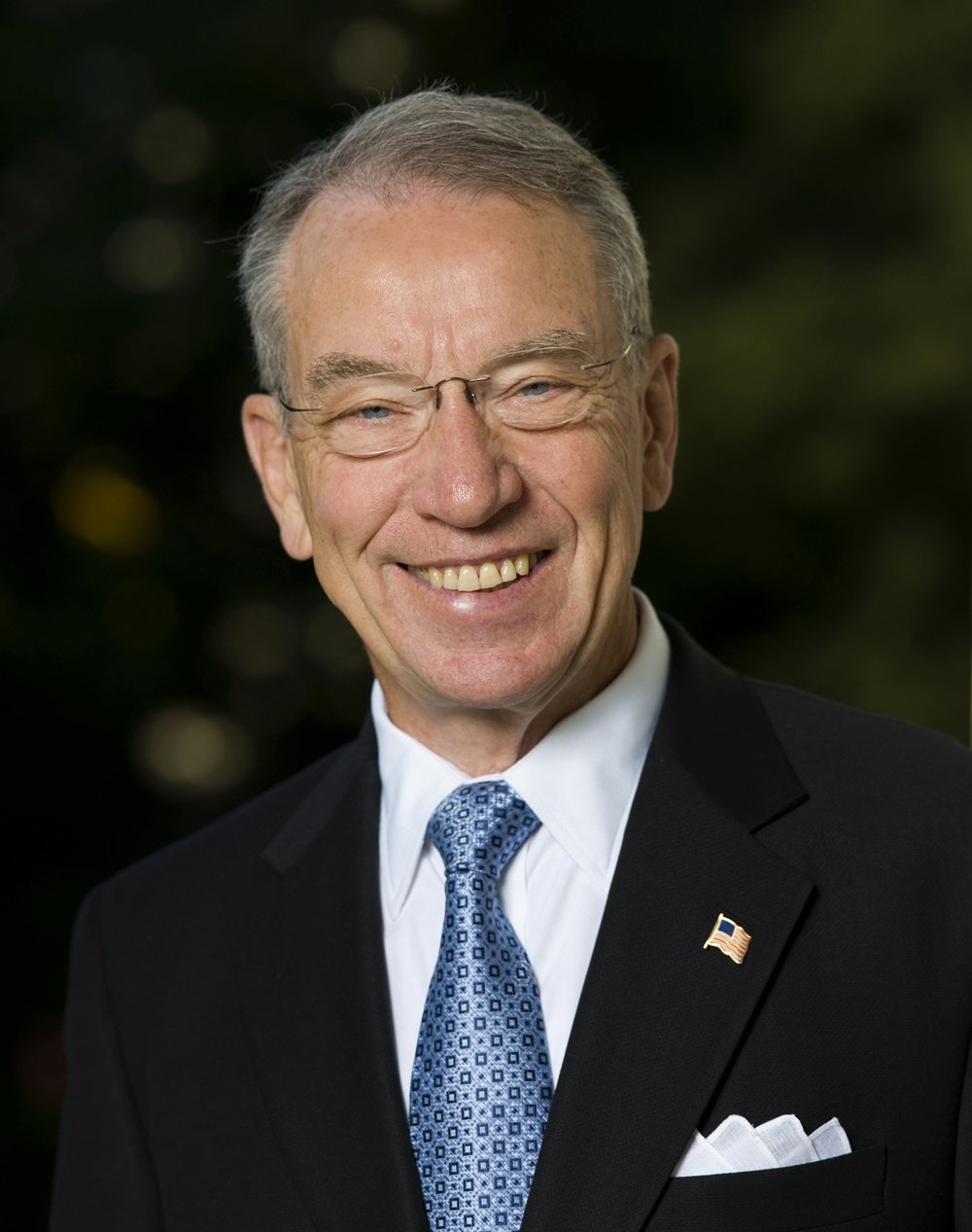
Sen. Charles E. Grassley, a leading Republican nonprofit watchdog, has concluded his investigation of six television evangelists by calling for a review of a range of tax issues, some affecting churches but others that could have a significant impact on the broader charitable world.
For example, a report drawn up by his staff suggests repealing or narrowing a rule that bars churches and other charities from getting involved in political campaigns, calling it vague, hard to enforce, and without good justification.
It also proposes tightening up rules on nonprofit executive compensation.
The Evangelical Council for Financial Accountability, a group that represents religious organizations that agree to meet certain standards, has created a commission to look into the issues highlighted by the senator. Some include tax questions specifically related to churches, like whether they should be required to file Form 990 tax returns like other charities and whether restrictions on IRS audits of church leaders* should be relaxed.
Senator Grassley likened the approach to his work with Independent Sector, a coalition of charities and foundations, after his staff recommended ways to fight charitable abuses in 2004. The effort led to some new laws, a requirement that charities disclose more information on the Form 990s, and some pledges of self-regulation by nonprofit associations.
“The challenge is to encourage good governance and best practices and so preserve confidence in the tax-exempt sector without imposing regulations that inhibit religious freedom or are functionally ineffective,” Mr. Grassley said in a statement.
The Iowa senator, the senior Republican on the Senate Finance Committee, opened the investigation into the six ministries in 2007, asking for information about their expenditures, compensation practices, and board structures—a response to news coverage and complaints from the public about their spending habits.
He sent letters to Joyce Meyer Ministries, in Fenton, Mo.; Kenneth Copeland Ministries, in Newark, Tex.; New Birth Missionary Baptist Church, in Lithonia, Ga.; Without Walls International Church (and affiliated Paula White Ministries), in Tampa, Fla.; the World Changers Church International (and affiliated Creflo Dollar Ministries), in College Park, Ga.; and the World Healing Center Church (and affiliated Benny Hinn Ministries), in Grapevine, Tex.
The investigation was stymied when only two of the ministries—the Joyce Meyer Ministries and the World Healing Center Church—provided complete responses to the senator’s questions. The staff decided against seeking subpoenas because it expected the churches would legally challenge them and the Finance Committee did not have the time to enforce them because it was too distracted by the health-overhaul legislation, the report says. Furthermore, church insiders who were providing information were too frightened to speak publicly, it adds.
The new panel set up by the evangelical council—the Commission on Accountability and Policy for Religious Organizations—will be headed by Michael Batts, an accounting expert in Orlando who serves on the council’s board.
He and Dan Busby, the council’s president, told reporters today they planned to consult a wide range of religious organizations and nonprofits but were not certain when they would wrap up their work.
The commission will also examine whether:
• The IRS should set up an advisory committee for churches and religious organizations to consider tax issues that affect those groups.
• Housing allowances for clergy should be subject to income tax.
• To impose excise taxes on nonprofits that engage in improper business transactions, such as excessive compensation, with their leaders.
• Legislation is needed to clarify that “love offerings”—money paid by churchgoers to their ministers— should be taxed.
————-
* Editor’s note: This sentence originally referred incorrectly to “churches” rather than “church leaders.”




