
Showing Donors What Their Gifts Can Do Pays Off for Nonprofits

By Debra E. Blum
Contributor
June 17, 2014 | Read Time: 3 minutes
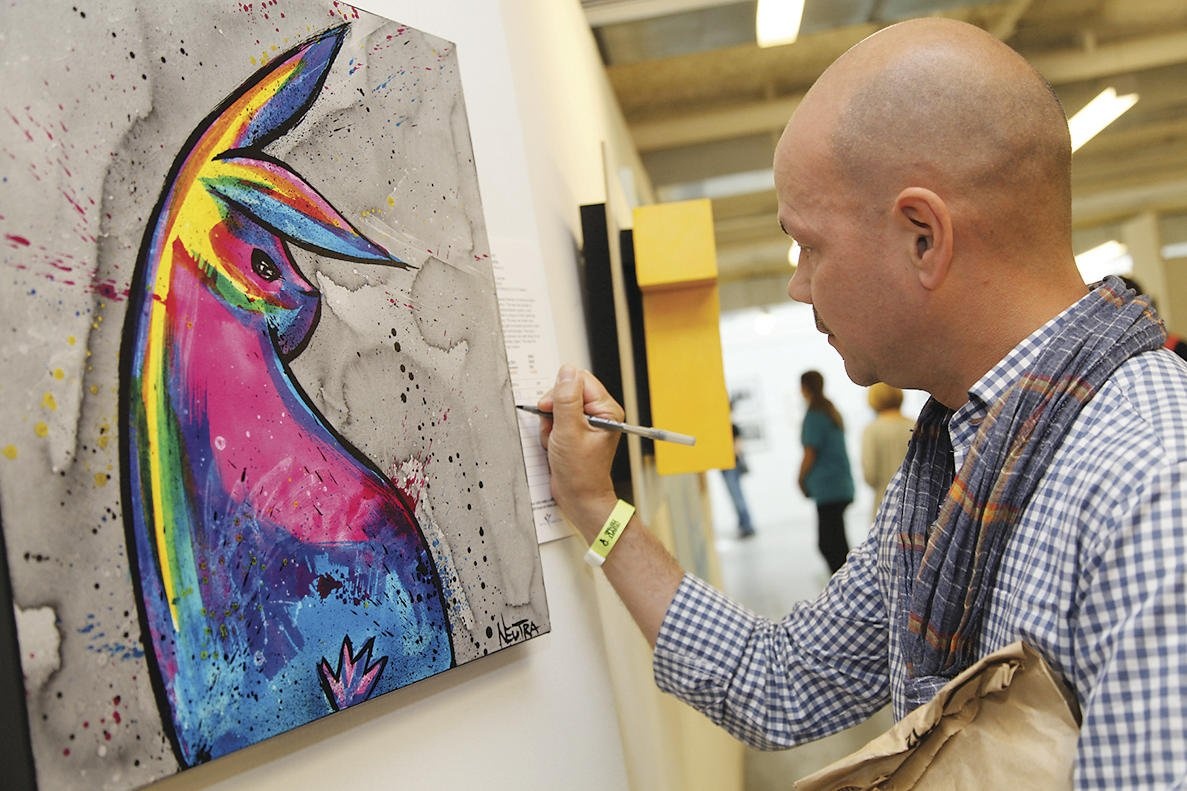
Attendees at a fundraising art show in California last month might have been focused on buying, say, a black-and-white photographic homage to blues legend Robert Johnson. But it would have been hard to miss the main purpose of the art sale: providing health and wellness for the underserved.
Venice Family Clinic, which has run the Venice Art Walk & Auctions as its biggest fundraiser every year since 1979, made an extra effort this year to communicate exactly how the money will be spent.
As usual, each bid sheet included descriptions of the artist and the piece, the opening bid, and the bid increment. At this year’s event, however, the sheets included another piece of information: what the bid increment could pay for.
So for each $50 increase required in the bidding for Kwaku Alston’s blues homage, for example, the bid sheet specified that the charity could buy an infant car seat. The $250 increments required on another work of art, bidders were told, could cover “specialty care” for a patient with diabetes.
“We are tying every single activity to impact,” says Laney Kapgan, the clinic’s chief development officer. “We’re telling them, You are not just buying art, you are buying a difference in someone’s life.”
Ms. Kapgan believes the messaging, which included signs around the gallery areas listing the cost of some of the clinic’s services, helped boost bids. The event raised about $700,000, up from $584,000 last year.
UWC-USA, which runs a two-year residential high-school program in New Mexico for students from around the world, is taking a similar approach to fundraising this year. For the first time, the school, which is affiliated with 13 other schools of its kind on five continents, is linking alumni class gifts to a specific spending goal. Instead of collecting money from alumni to be added to the larger kitty, several graduating classes are each being challenged to raise $40,000, about what it will take to cover the full tuition and expenses for a single student in the coming school year.
Once the school chooses the scholarship recipient, alumni from the sponsoring class will receive a photograph and a short bio of the student. Halfway through the school year, the student will be expected to write a note thanking the donors and letting them know about his or her academics and activities. At the end of the year, the school will update donors on the student’s progress.
UWC-USA, which used to be known as the Armand Hammer United World College of the American West, tested the fundraising program with a couple of graduating classes this year. Students who graduated in 1985 gave about $16,000 for their class gift in 2013. This year, that class has raised more than $43,000, with an additional $8,500 already pledged toward next year and another year’s scholarship.
“It’s motivating to know you’ll have that connection to that student,” says Christie Baskett, UWC-USA’s vice president for advancement. “Our alumni are spread out all over the world so something like this can really bring it home for them, make their donations come to life.”




