

August 23, 2016 | Read Time: 5 minutes
Donations to assist victims of flooding in the Baton Rouge area so far lag behind the responses to other recent large-scale natural disasters, highlighting the need for nonprofits to have more reserve funds at hand before catastrophes strike — and be ready to quickly get the public’s attention to help boost fundraising.
Increased media attention over the past few days has hastened gifts for those affected, according to people leading fundraising efforts, but it’s unlikely support will reach that seen after Hurricane Sandy rocked New York City and much of the Atlantic seaboard in 2012 or when Hurricane Katrina led to major flooding in New Orleans in 2005.
Comparing disaster responses can be perilous — the death toll and the number of homes affected was higher following Sandy than what’s been reported so far in Louisiana, for instance. Still, some fear the money being raised for the current disaster will be low relative to the scope of the damage.
“The fundraising for this is certainly not what it’s going to need to be for this magnitude of an event,” said Jessica Vermilyea, who coordinates and leads efforts by volunteer organizations following disasters in Louisiana.
Officials say that’s largely because the news media has paid less attention to the devastation, which took time to develop and did not affect a high-profile city.
The Red Cross has received about $7.8 million in donations and pledges so far, much lower than the $30 million the charity has estimated it will need to address the emergency. That estimate may grow as more damage is assessed, Red Cross officials said. The nonprofit said in a statement that it has mobilized the “largest sheltering and feeding effort since Superstorm Sandy,” with the Red Cross and its partners serving more than 260,000 meals and snacks and offering 40,000 overnight stays so far.
The Baton Rouge Area Foundation has raised $750,000 online in the past week and secured about $2 million more in pledges — paling in comparison to the $10 million it raised in the week following Hurricane Katrina. Total fundraising for the foundation reached $45 million in the months following the 2005 storm, a spokesman said.
The Salvation Army has raised about $451,000 in the wake of the flooding and has received pledges of $1.5 million. A local chapter of the organization is still recovering after experiencing flooding, as is a food bank and other area nonprofits, local officials said. Many staff members at organizations that would have responded to the disaster were also impacted by the flooding, creating challenges for response efforts, Ms. Vermilyea said.
Better Planning
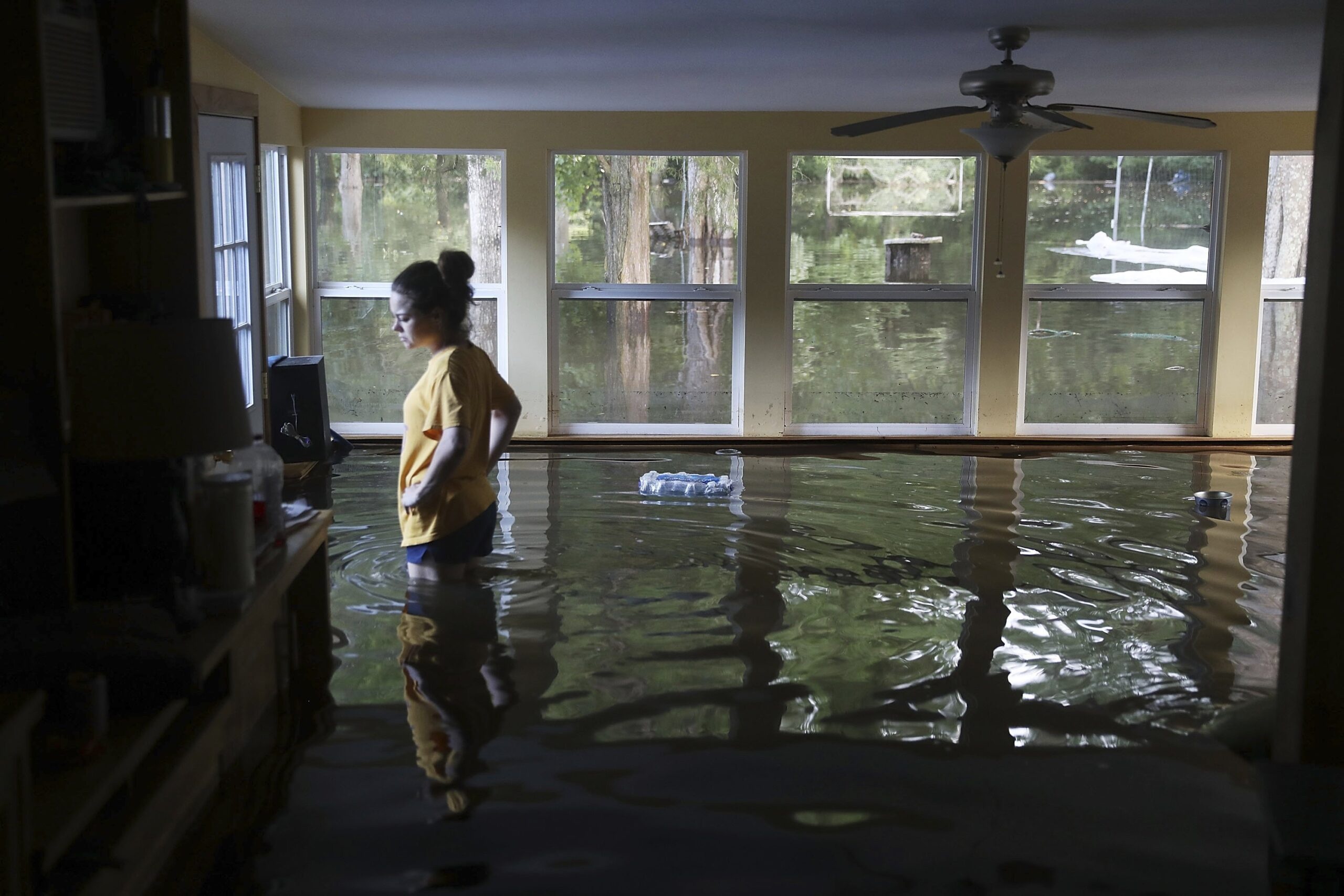
Major flooding that started on August 12 in the Baton Rouge area has damaged at least 60,000 homes across 20 parishes and is blamed for at least 13 deaths on top of mass displacement, according to reports. Officials are estimating it will take at least six months to a year before affected areas start to stabilize, and there will be longer-lasting economic effects stemming from the flooding.
Bob Ottenhoff, president of the Center for Disaster Philanthropy, said the situation underscores the need for nonprofits to have disaster plans in case they lose inventory or their ability to serve people, something donors and grant makers are increasingly starting to demand from relief charities. Mr. Ottenhoff said his nonprofit is raising money for mid- and longer-term relief efforts in Louisiana but said he could not share an estimate of how much the organization has collected so far.
The disaster also shows that flooding is starting to become a major issue for relief organizations, with parts of Arkansas, Texas, and Iowa suffering similar if smaller-scale inundations in recent years. Flooding incidents are “increasing in number and increasing in intensity,” Mr. Ottenhoff said, which may be a symptom of climate change and other factors.
He said nonprofit leaders and other officials should start leading discussions on getting more money to cover the costs of the damage caused by flooding and other catastrophes before they strike. Communities must also work to be better prepared and less reactive, he added.
Media Attention
Planning is especially important during floods because fundraising in response to them is usually slower than for other disasters. The devastation caused by floods rolls out more slowly than with fires, tornadoes, or hurricanes, Mr. Ottenhoff explained, and the news media is slower to respond. “If it’s slow to evolve, if it’s complicated, it gets fewer donor contributions and it gets less media attention,” he said.
Local officials agree that the news media is key. More than 75 percent of what the Baton Rouge Area Foundation has raised for relief efforts has come in the last few days as coverage of the flooding has increased, said Mukul Verma, the grant maker’s director of communications. That highlights the need for nonprofits to quickly and effectively get news out about what’s happening on the ground.
“I think it’s important for nonprofits to use their networks to tell their stories soon after disasters,” Mr. Verma said. “Social media has given them power to tell their own story.”
Mr. Verma noted that fundraising efforts for Hurricane Katrina were likely boosted by the fact the disaster struck a major U.S. city — something experts say heightened attention and donations for Hurricane Sandy as well.
“Katrina was a very unique disaster,” he said. “It hit a very high-profile city. There was lots of media coverage, which really helped raise awareness around the world.”
Some are worried that the news media interest in Baton Rouge is already fading. Ms. Vermilyea said she’s seen signs that news outlets’ attention has mostly shifted back to politics and the contentious presidential race.
“To me it’s very concerning as to how we will manage the long-term recovery,” Ms. Vermilyea said, noting the time it takes to get people back in homes and in a stable situation. “We really need to do what we can to keep this in front of people.”




