Soros Says Donors Who Measure Results Are on a ‘False Track’

By Caroline Preston
Contributor
May 15, 2011 | Read Time: 2 minutes
George Soros, measurement maven?
Not a chance.
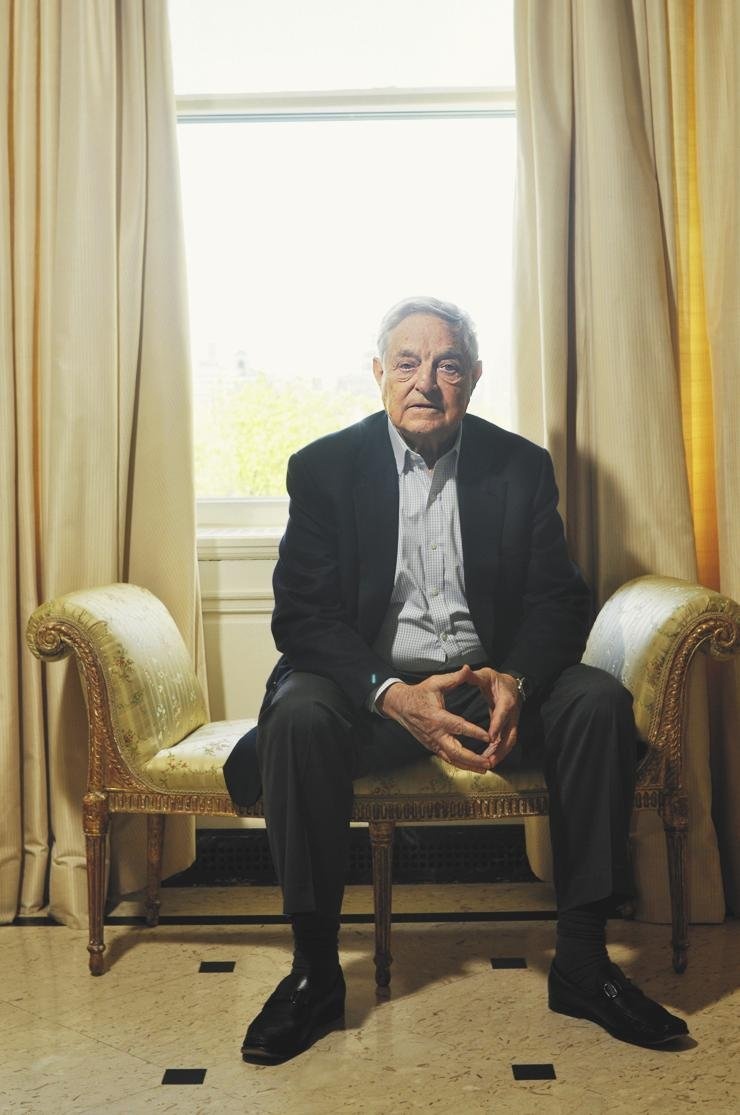
In an interview this month at his New York City home, Mr. Soros, the billionaire financier and founder of the Open Society Foundations, discussed his feelings about how other philanthropists approach their giving.
His biggest critique: too much focus on quantifying results.
While Mr. Soros says he appreciates the innovative spirit that some younger donors, particularly those who made their money in technology, have brought to the foundation world, he wrings his hands over their search for quantifiable measures.
“That is a false track,” he says. “By insisting on measurable achievements, they very often distort the objective, and that distorts the results, too.”
The most obvious example, he says, is the focus by the Bill & Melinda Gates Foundation and other donors on how many children are vaccinated for certain diseases. That’s diverted resources away from overall health care and weakened some countries’ health systems, he says.
The Gates fund, meanwhile, says that vaccines are one of the best and most cost-effective ways to help children, and that infrastructure developed for vaccinating children has also been used to supply people other kinds of care, such as bed nets and Vitamin A.
Trial and Error
While Mr. Soros says he’s sympathetic to donors’ desire to ensure their money isn’t misspent, he adds, “I don’t think there’s that insurance.”
At Open Society Foundations, which supports civil-society programs, among other causes, his own approach is one of trial and error.
In his view, projects with the lowest chances of success—like those that his foundation pursued to bring systemic change to countries emerging from dictatorships—are often the most important.
While he says a scholarship program the foundation pursued in the former Soviet Union had measurable and largely positive results, it was the riskier investments he feels were more critical, even though he calls their results “pretty disappointing.”
Peter Lewis, a friend of Mr. Soros’s who serves as chairman of Progressive Insurance, contrasts their philanthropic styles.
“I’m obsessed with trying to see that the money I donate accomplishes all the purposes for which I have donated it, and so I care about the way the organizations I support are managed,” Mr. Lewis says.
“George doesn’t care as much about those things; he cares about ideas and people.”