
March 10, 2013 | Read Time: 2 minutes
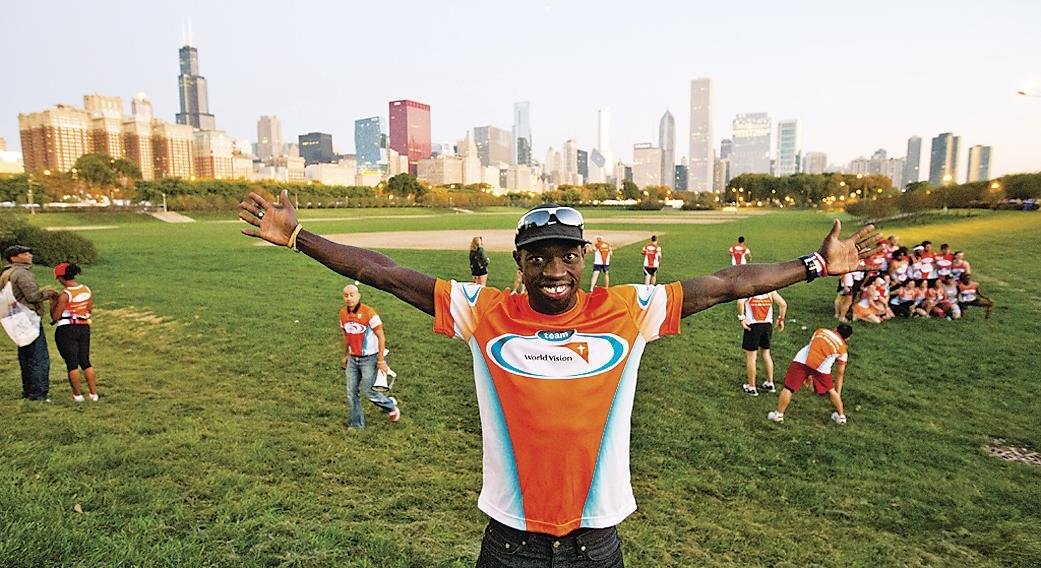
A Chicago marathon gave World Vision the chance to use text messaging to fire up runners and increase fundraising at the same time.
Of the more than 1,000 people who signed up to run the marathon to raise money for the charity, roughly 200 got lively, inspiring text messages every week for nearly five months. Those runners were 25 percent more likely to make it to the starting line, and they raised 50 percent more money.
Pleased with the results, the group has expanded the text program to athletes preparing for other races.
Authentic and Accessible
The messages were successful largely because they were authentic and accessible, says John Overy, the organization’s director of mobile technology. The tone and voice of the texts were very different from the international-development group’s typical communications, he says: “The voice was very easygoing. It was very informal.”
Several of the weekly messages were designed to elicit a response.
The first one read, “Need a little running inspiration today? Take 30 seconds to watch this. Then text back and tell us why you run.” It included a link to a video that showed past participants talking about their love of the sport and why they support World Vision.
A message later in the series said, “Truth time: How many runs have you completed this week? Text us back with a number.”
When runners answered, they got responses tailored to the number of runs they had completed. For example, the message for someone who hadn’t run at all was “Training is tough, but you can do it. Jump back into the training plan, and take it one day at a time.”
The messages were carefully timed to go out around lunchtime on Fridays.
“It makes a big difference,” says Mr. Overy. “Do you receive it on a Friday afternoon during lunchtime when you’re ready to head into the weekend? It’s going to be much more effective than if you send it on a Monday morning when your life is crazy.”
Like many large organizations that respond to natural disasters, World Vision first used text messages in an entirely different way. It asked people to send text messages to contribute $5 and $10 gifts to help with immediate needs.
But now the charity focuses much more on text messaging as a way to deepen ties with supporters, says Mr. Overy.
“Someone once told me, ‘John, you’re like the guy who asks the girl to marry him on the first date.’ With text-to-give, you just instantly ask someone to give you money,” he says. “What you really should do is engage with them.”