

September 17, 2009 | Read Time: 2 minutes
What happened: This year, the National Trust for Historic Preservation sought to highlight the conservation of historic sites that hold particular significance for minorities by creating special Web pages, each showing buildings connected to a specific culture: African American, Hispanic, and so on.
“Suddenly people who are Web-savvy are reaching out to us online who didn’t reach out to us before,” says Tanya Bowers, the director of diversity at the National Trust for Historic Preservation, in Washington.
Since starting its new special-interest Web showcases, she says, “we’ve been getting great e-mails back, about how sometimes it brings people to tears to see the stories. Because what we’re about is not just saving buildings but saving stories about places that matter to individuals.”
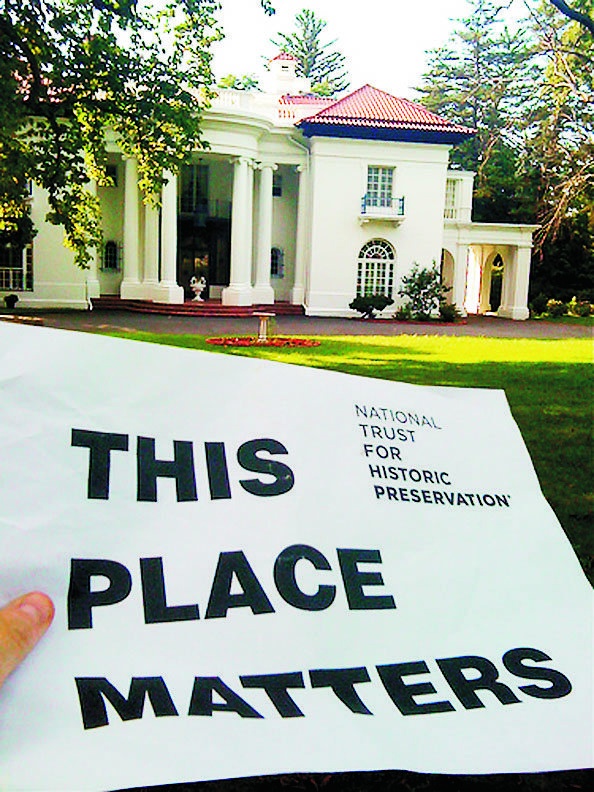
This summer, the Trust also started its “Places That Matter” photo contest, which asks people to send to the Trust’s Web site photos or videos of themselves standing before buildings that have special significance to them while holding a sign that reads, “This Place Matters.” (Three participants will be selected this month to win digital cameras for their efforts.)
The idea has taken off, with not only individuals but also community groups and schools joining the project. Among the places spotlighted so far: the Campus Martius Museum, in Marietta, Ohio; a 1913 Sears & Roebuck house from St. Augustine, Fla.; and a New Orleans home slated for demolition to make way for a hospital. (“I was born in the front room,” says the elderly owner.) “It’s really fascinating to see how creative they get,” Ms. Bowers says, noting that the participants have spanned the generations and are racially diverse.
What she learned: The organization, she says, had traditionally had its own notion of which buildings are worth preserving. “And we realize that by deciding that ourselves, we weren’t being inclusive,” she says. “What we have figured out is that we need to be in the role of listener.” More charities, she says, need to take on that role: “That’s what is going to make more people want to support the organization.”





