
Toilets and Textbooks: Bill and Melinda Gates Outline Their Future Giving

By Alex Daniels
Contributor
February 12, 2019 | Read Time: 3 minutes
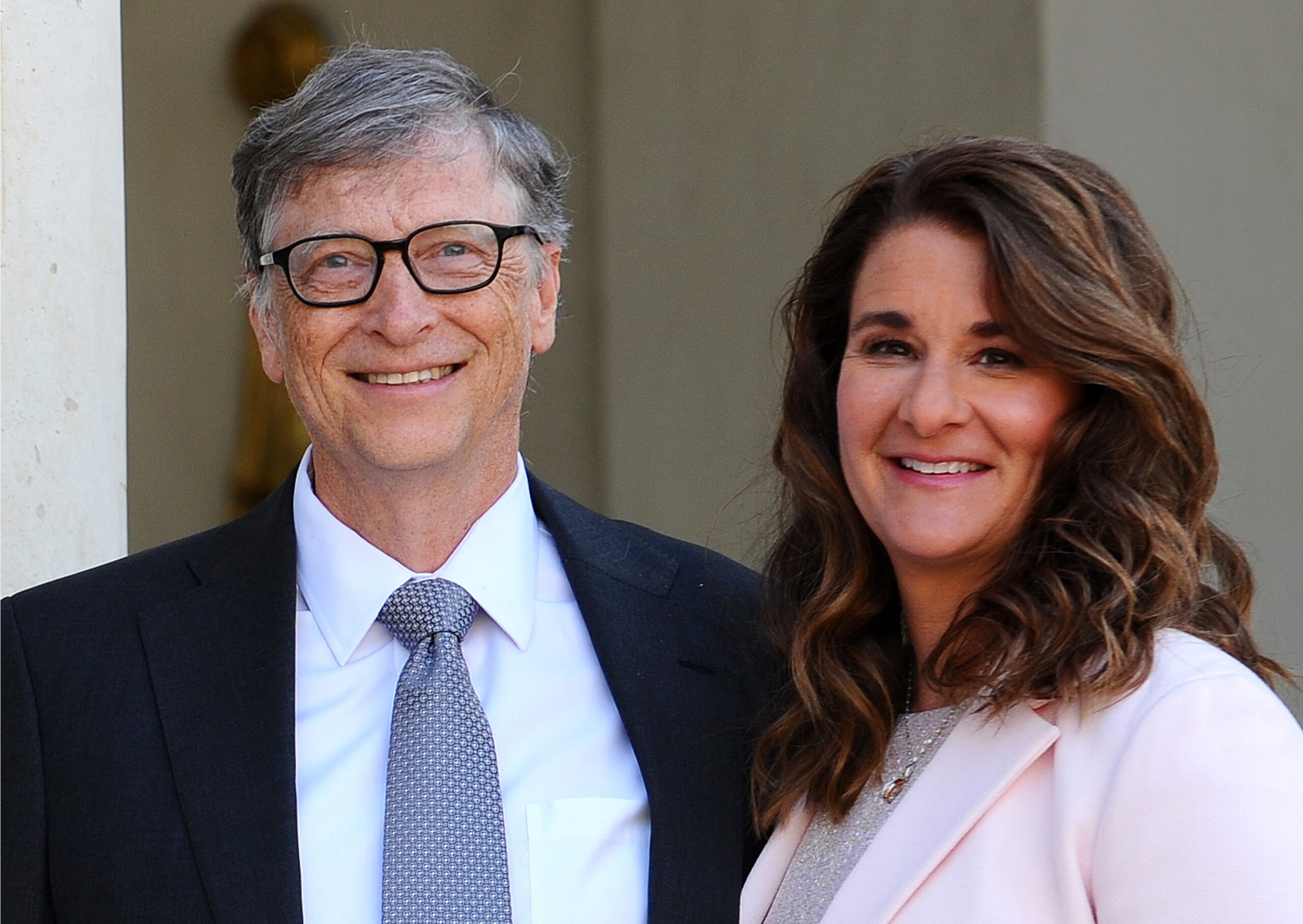
New discoveries and fresh revelations, like the speed at which textbooks are becoming obsolete and the unexpected ways construction in developing countries is accelerating climate change, will influence how Bill and Melinda Gates spend their foundation’s $52 billion in assets, the couple noted in a letter to the public released today.
“A benefit to surprises is that they’re often a prod to action,” they wrote in their letter entitled “Changes We Didn’t See Coming.” “It can gnaw at people to realize that the realities of the world don’t match their expectations for it. Some surprises help people see that the status quo needs to change. Some surprises underscore that transformation is happening already.”
Some of the other surprises that will result in action from the Seattle philanthropy include the fact that Africa has a much lower median age than the rest of the world (which will put a premium on supporting education in the continent), and that development in many poor countries is being stymied by a simple problem that is easy to fix: the lack of decent toilets.
Other revelations they noted:
- The promise of using DNA tests to prevent premature birth
- The fact that a lack of data on women in the developing world, and abuse of what does exist, can result in sexist policies, including decisions about where dollars and other resources should go.
- The ways mobile phones can greatly improve women’s economic opportunity in poor countries.
- The idea that helping teenage boys process their anger can help young men lead more productive lives. To illustrate his point, Bill used the example of Youth Guidance, a Chicago nonprofit that helped reduce violent crime in Chicago through its Becoming a Man program.
Without mentioning President Trump by name, the couple each criticized the “America First” posture of the administration. They made a special appeal for the United States and other wealthy countries to recommit to supporting the Global Fund to Fight AIDS, Tuberculosis, and Malaria and Gavi, the global vaccine alliance over the next two years.
“We consider global engagement our patriotic duty,” wrote Melinda. “There is nothing about putting your country first that requires turning your back on the rest of the world.”
The Gateses’ letters to the public, a tradition they started in 2009, often have a signature personal touch that makes it clear it is not the kind of traditional boilerplate missive that once was published dutifully in foundation annual reports. This year the Gateses dedicated the letter to Paul Allen, the co-founder of Microsoft who was also a megadonor. They said they would think of Allen, who died in October, anytime they played Jimi Hendrix. Allen, who created a museum dedicated to rock and roll, also owned the guitar Hendrix played at Woodstock.
Intensity of Critiques
This year’s letter from the Gateses comes amid heated criticism of megadonors.
One particularly vocal critic, Anand Giridharadas, author of Winners Take All: the Elite Charade of Changing the World, has argued that ultrarich philanthropists wield too much power and have used their gifts to appear virtuous without really creating changes to social systems that would improve many people’s lives.
At the World Economic Forum in Davos in January, Rebecca Blumenstein, managing editor of the New York Times, asked Bill Gates about Giridharadas’s take on his giving.
“If people think communism works better, I don’t know,” Gates replied, adding that he supports the estate tax and more progressive taxation. “I believe we have a system that works, but we can tune it to achieve more equality.”
A Duty to Help Others
In their letter, the Gateses continued to express optimism that the quality of life globally is on the rise and that they are called by sense of duty to lead in philanthropy.
“When we’re feeling overwhelmed by negative headlines, we remind ourselves that none of us has the right to sit back and expect that the world is going to keep getting better,” they wrote. “We have a responsibility to do everything we can to push it in that direction.”
Correction: A previous version of this article said the Gates Foundation had $2 billion in assets instead of $52 billion.







