

March 1, 2015 | Read Time: 3 minutes
A sprawling network of dozens of nonprofits and grant makers that goes by the name RE-AMP promotes clean energy and economic vitality in six Midwestern states. In its 12 years, the network has jump-started a lot of social change, and it’s defeated more than two dozen proposed coal plants and helped pass laws to promote energy efficiency and reduce carbon emissions.
With members that include the Joyce and Kresge foundations, the Chicago Jobs Council, the Buckeye Forest Council, and Wisconsin Interfaith Power and Light, RE-AMP is part of a growing trend: a collaboration among a diverse mix of organizations in the service of a big cause.
The approach has worked so well, says Rick Reed, a senior adviser at the Garfield Foundation, which gave $2.5-million in 2003 to start RE-AMP, that the fund is looking to support a collaboration to fight diseases caused by polluted air and other environmental problems.
More and more partnerships have emerged—often involving unusual bedfellows like conservation groups and labor unions—to take on big issues.
“I see it almost everywhere,” says Annie Leonard, executive director of Greenpeace USA, a partner in the Democracy Initiative, a campaign aimed at stemming the influence of corporate money in electoral politics by bringing together groups like Common Cause, the National Association for the Advancement of Colored People, and the Communications Workers of America. “People are increasingly seeing that our challenges are intertwined.”
Little Grant-Maker Support
No matter how clear it is to nonprofits that it takes people from a broad array of causes to fix big problems, it’s tough to get foundations to pay for the partnerships.
And foundations don’t show much interest in changing that stance. In a recent survey by Grantmakers for Effective Organizations, 80 percent of more than 600 grant makers said it was important to coordinate among themselves when working on a cause. But more than half said they never or rarely help cover the cost of their grantees’ collaborations.
Nonprofit leaders take special aim at the competitive nature of grant seeking. Foundations, they say, reward groups that show how they stand above the rest rather than those that are good team players.
Some grant makers agree. Today’s grant-seeking process is “a barrier to collaboration,” says Mr. Reed, adding that foundations are in a prime position to change the dynamic.
By awarding grants to help organizations grow stronger, encouraging them to submit joint proposals, and taking the long view, he says, foundations can do much to foster more collaboration that will promote more social change.
Another practice that may need to change: requiring strict measures of success. When it comes to assessing results of collaboration, “the outcomes are much softer,” says Mr. Reed. But unless groups work together, he believes, bigger changes will be much harder to achieve.
A ‘Game-Changer’
Some charities that participate in the new networks say the partnerships are altering the way they—and the people they serve—view their role in achieving social change.
The Ironbound Community Corporation has long provided social services to many of the poorest residents in Newark, N.J. But a couple of years ago, when Hurricane Sandy flooded the nonprofit’s working-class neighborhood with polluted water, its leaders began battling climate-change effects as part of its mission.
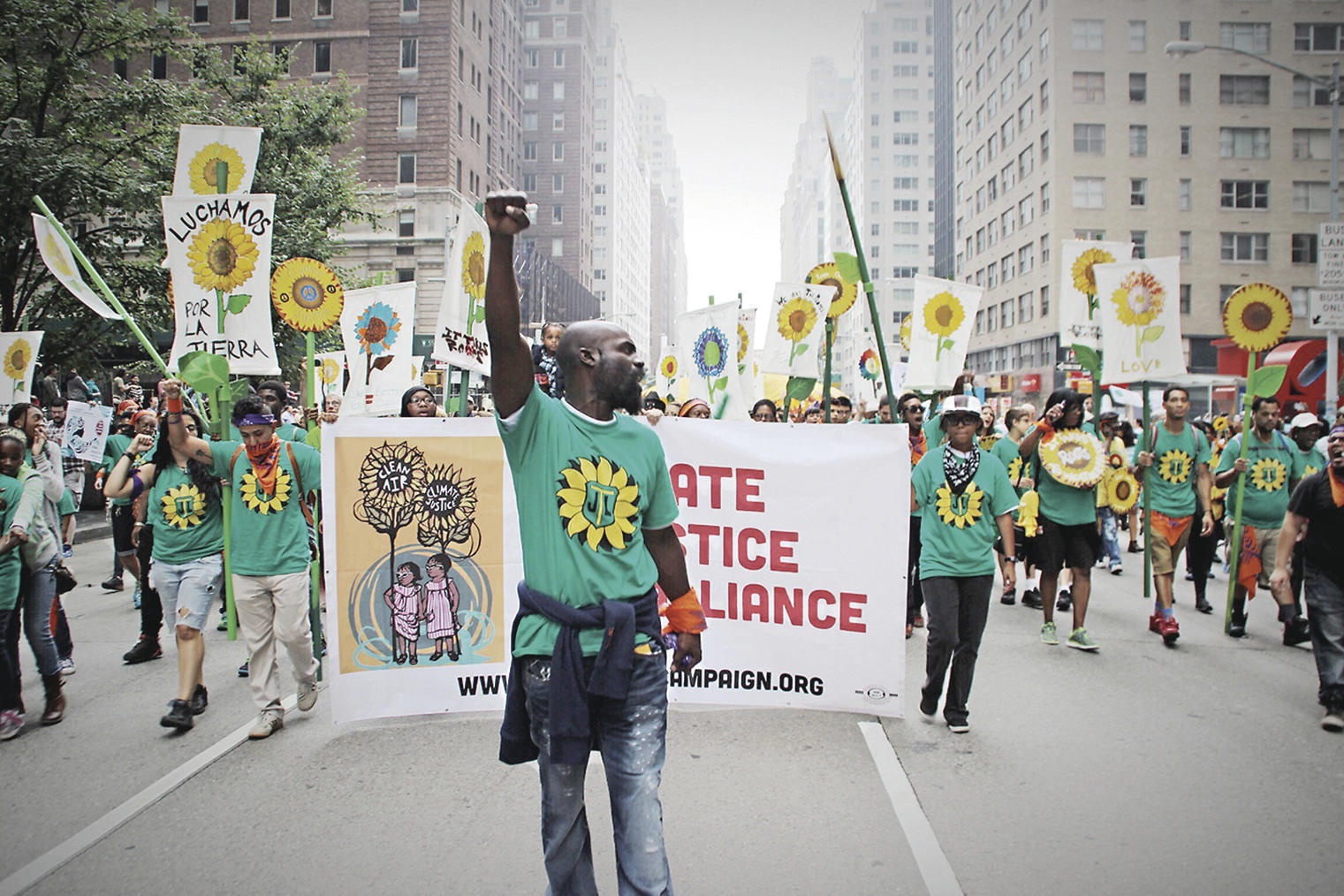
Ironbound joined the Climate Justice Alliance, a group of nearly three dozen local, regional, and national groups that seek to end the economic and ecological problems that lead to inequality.
Residents who take part in alliance meetings have developed leadership skills and a fresh outlook, says Cynthia Mellon, Ironbound’s environmental-justice organizer. What’s more, they have become “ambassadors” for the rest of their neighborhood, thinking about climate change in their community in ways that focus on building resilience rather than responding to calamity.
“This is a game-changer for us, and is strengthening our ability to organize,” she says. “Now people are reaching into bigger issues.”




