October 28, 2012 | Read Time: 1 minute
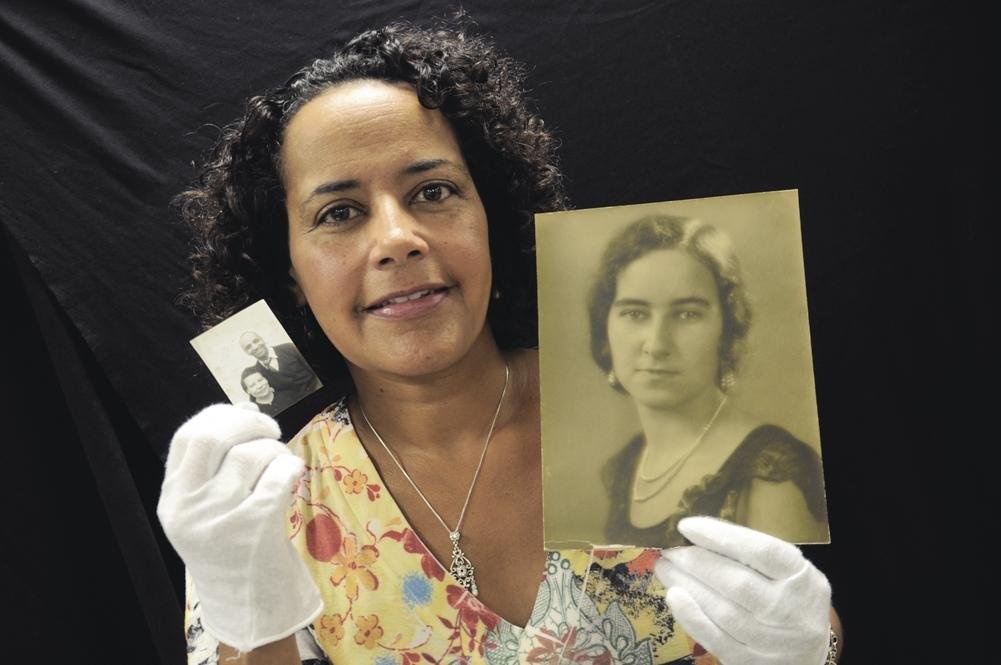
The Digital Diaspora Family Reunion is built on the belief that old family photographs have the power to help people understand their past and see how they and their families are part of the larger sweep of history. The nonprofit project invites people to share their photos and the stories they tell, either online or in person at photo-sharing events.
Usually when people talk about old photos, if they talk about them at all, it’s with family members who already know about the events they document, says Thomas Allen Harris, the documentary filmmaker who started the project.
“When you start sharing with a stranger, you’re looking at them from a fair, more objective lens, and you begin to speak your own story and your family’s story within a larger framework of other stories and national history,” he says. “That is a very powerful experience.”
At the end of the photo-sharing events, Digital Diaspora puts together a finale that features participants telling the story of their family’s photographs while the images are projected on a large screen.
Audience members comment and ask questions—and sometimes help participants better understand the photographs. At a recent event, says Mr. Harris, a World War II veteran explained to one of the presenters that an insignia on her grandfather’s uniform meant that he was part of a specific group of black airmen.
Says Mr. Harris: “In some ways, it makes strangers family.”