
War on Poverty Story: a Focus on Empowering the Poor

By Arnold F. Fege
Contributor
February 4, 2014 | Read Time: 3 minutes
To commemorate the 50th anniversary of the War on Poverty this year, The Chronicle asked readers to submit stories about how the effort affected their careers. Arnold F. Fege shared his story.
Before there was a War on Poverty, my family instilled the attribute that now seems to be outdated, but seemed to drive the literature, politics, and ethics of the time: From whom much is given, much is expected. So from a very young age, we all contributed to community efforts: food banks, volunteering at orphanages, holiday gifts for poor families, tutoring, and book drives. In addition, my father was a union organizer with a focus on negotiating and securing jobs for low-income workers.
But the War on Poverty served to solidify those efforts, and I cannot remember a time when devoting a career to equity, mobilization, and social justice was at question. As a student at Oberlin College, I wrote for the school newspaper on urban problems, invited civil-rights leaders and politicians interested in poverty to the college speakers series, and participated in housing-mobilization protests in Cleveland.
When I came to Washington as an intern, I was placed at the Office of Juvenile Justice and Delinquency Prevention, overseen by Attorney General Robert F. Kennedy. After that came a progression of positions: staff person for then-Senator Kennedy, urban-problems reporter for the Chicago Sun-Times, and Vietnam War reporter for the Associated Press.
During those times, I remember the satisfaction we all derived from the passage of the 1964 and 1965 Civil Rights Acts and many of the programs that were part of the War on Poverty: Model Cities, Community Action Programs, Head Start, Teacher Corps, and the Elementary and Secondary Education Act.
It was a time when the government played a role in empowering and educating poor and disadvantaged children and families, rather then pursuing the selfish interests of the economic elite of today’s policies.
But the assassination of RFK had a dramatic and disillusioning impact on many of us, and we left to carry out War on Poverty programs at the local level. I taught in urban public schools and served as a principal, a desegregation director, and a coordinator of Title I, the education program for low-income students.
When I returned to Washington, I worked for several education associations and now am president of my own firm, Public Advocacy for Kids.
I listened to President Obama’s State of the Union comments on the same issues of 50 years ago—equity and poverty—but they were delivered in a much more rigidified atmosphere.
I am disappointed that the country, the policy makers, and the courts fell asleep at the switch and forgot about the importance of assuring equal opportunities for all of our children. There was something universal and exemplary about the War on Poverty and the idealism of President Lyndon Johnson, along with Robert F. Kennedy and his brother Ted. We had a president and a Congress who served as advocates of poor kids and families, the voices of people who had no voices, and a country that believed that poverty was so debilitating to our democracy that it was willing to go to war to eradicate it.
With such a calling again from our top leaders, I am convinced that our young people will respond and that their careers, too, will be affected by this critical civic mission.
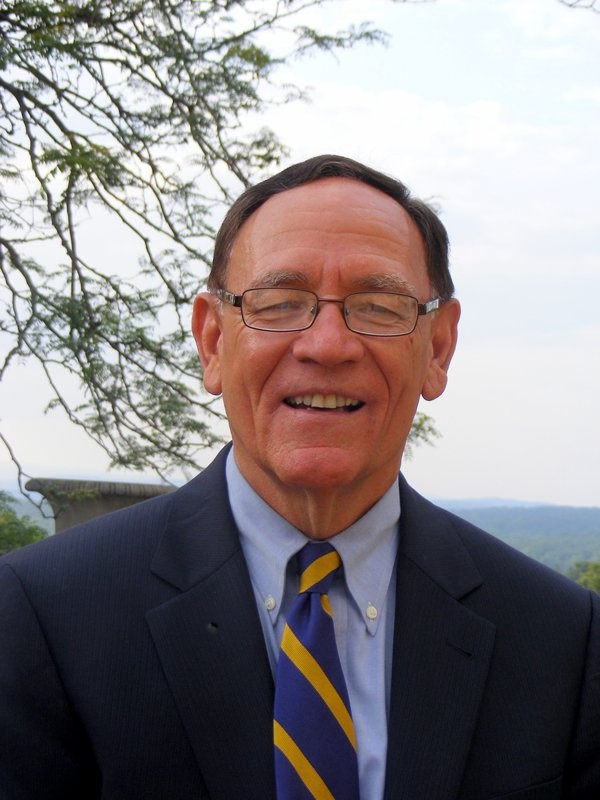
Arnold F. Fege is president of Public Advocacy for Kids, a firm that promotes federal policies that help children with special needs or from low-income families.
How has the War on Poverty influenced your career? Send your story to editor@philanthropy.com.
See all of our coverage timed to the 50th anniversary of the War on Poverty in this special section.




